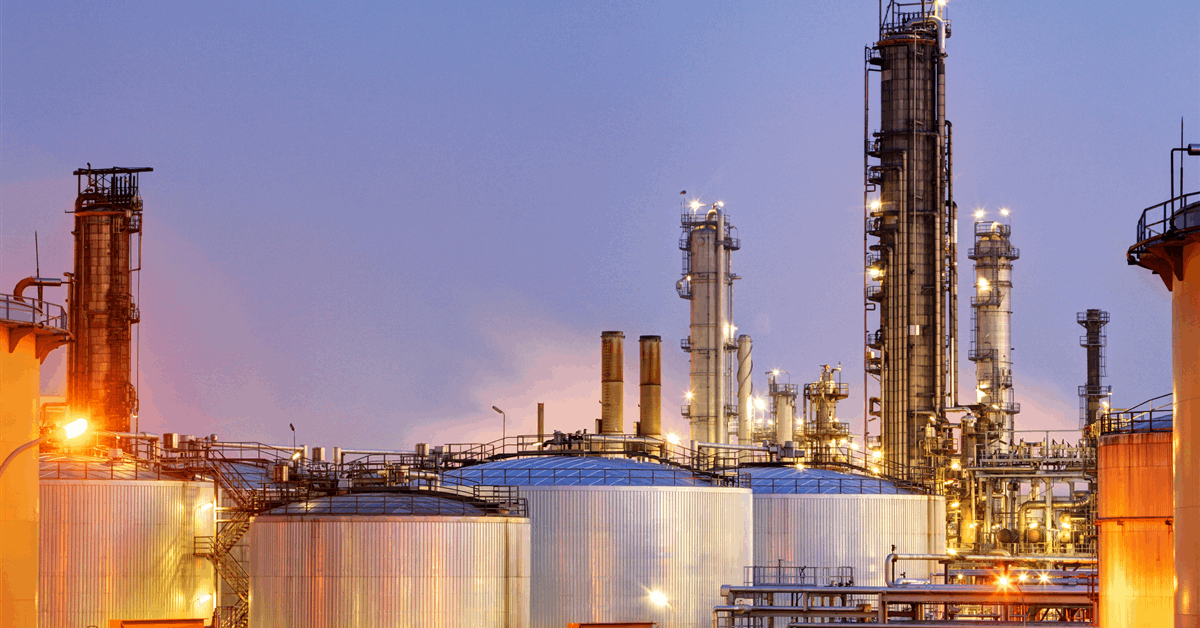
Ethiopia has signaled a bold new chapter in its energy independence journey with the commencement of its inaugural oil refinery project, a $2.5 billion endeavor spearheaded by China’s Golden Concord Group Ltd. (GCL). This Gode Oil Refinery, slated for a two-phase development with the initial stage targeting completion within 24 months, represents a significant step towards securing domestic fuel supply and reducing reliance on imports. For investors tracking African energy markets, this project, alongside complementary natural gas and fertilizer initiatives, warrants close attention, not just for its scale but for its implications on regional energy dynamics and the broader investment landscape, particularly against a backdrop of volatile global crude prices.
Ethiopia’s Ambitious Multi-Billion Dollar Energy Transformation
The Gode Oil Refinery is designed to produce 3.5 million tons of fuel annually, leveraging crude oil and condensate from Ethiopia’s own Hilala fields in the eastern Somali region. This commitment to indigenous resource utilization is a powerful statement on energy sovereignty. The project isn’t an isolated initiative; it’s a cornerstone of a much larger, multi-faceted investment program. Concurrently, state-owned Ethiopian Investment Holdings, in partnership with Dangote Group, is constructing a $2.5 billion fertilizer plant, which will draw gas from the nearby Calub fields. Furthermore, the first phase of the Ogaden liquefied natural gas (LNG) project has been inaugurated, boasting an annual production capacity of 111 million liters, with plans for a second phase to add 1.33 billion liters. These energy projects, alongside critical infrastructure like a $10 billion airport and a planned nuclear power plant with Russia, collectively represent a staggering $30 billion investment blueprint announced last month, reflecting Ethiopia’s strategic vision for industrialization and self-sufficiency.
Navigating Global Headwinds: Market Context for New Infrastructure
Developing significant energy infrastructure like the Gode refinery requires a robust understanding of the global commodity landscape. As of today, Brent Crude trades at $90.38, reflecting a substantial 9.07% decline within the day, having ranged between $86.08 and $98.97. Similarly, WTI Crude stands at $82.59, down 9.41% within a day range of $78.97 to $90.34. This sharp downturn comes after Brent had seen a $-22.4, or -19.9%, drop from $112.78 just two weeks prior. Such price volatility underscores the inherent risks and opportunities for new refining capacity. For Ethiopia, a net importer of refined products, a domestic refinery can buffer against the financial shocks of high global prices and currency fluctuations. However, the initial capital outlay and project financing will be sensitive to prevailing market conditions. The current downward trend in crude prices could, paradoxically, reduce the cost of certain inputs for construction, but it also reflects broader economic anxieties that might impact investor confidence or future demand projections. Investors are keenly watching how these large-scale commitments in emerging markets like Ethiopia will fare amidst such global price swings.
Investor Focus: Quotas, Inventories, and Ethiopia’s Place in Future Supply
Investors frequently engage with questions central to global oil supply and demand, with common inquiries this week revolving around OPEC+’s production quotas and predictions for year-end oil prices. These are highly pertinent to evaluating projects like the Gode refinery. While Ethiopia is not an OPEC+ member, its move to integrate domestic crude into a local refinery directly impacts regional demand for refined products, potentially freeing up global supply or shifting trade flows. The upcoming OPEC+ Ministerial Meeting on April 19th is a critical event. Any decisions on production levels will immediately influence global crude prices and, consequently, the economics of imported crude versus domestically refined products. Furthermore, the weekly API and EIA inventory reports (April 21st, 22nd, 28th, 29th) and the Baker Hughes Rig Count (April 24th, May 1st) provide crucial real-time indicators of supply-demand balances and drilling activity. These metrics, alongside discussions around future oil price forecasts (a common query among our readers for 2026), shape the long-term outlook for projects like Gode. A successful Ethiopian refinery could enhance energy security, potentially making the nation less vulnerable to geopolitical disruptions affecting international supply chains, a factor increasingly valued by investors.
Strategic Implications and Investment Horizon
The Gode Oil Refinery, coupled with the expansive $30 billion investment program, paints a picture of a nation committed to transforming its economic landscape through strategic infrastructure development. For GCL, it represents a significant foothold in a burgeoning African market, potentially unlocking further opportunities in energy infrastructure. For Ethiopia, the ability to process its own crude and develop its gas resources offers multiple dividends: job creation, foreign exchange savings, and enhanced energy resilience. Investors should recognize the long-term vision embedded in these projects. While the 24-month timeline for the first phase of the refinery suggests relatively quick progress, the full realization of the $30 billion program will span many years. This long-term horizon demands an assessment of geopolitical stability, project execution risks, and evolving global energy transition trends. Ethiopia’s integrated approach, from upstream gas and oil development to midstream refining and downstream fertilizer production, aims to create a more robust and diversified economy less susceptible to external shocks, presenting an interesting, albeit complex, opportunity for patient capital.