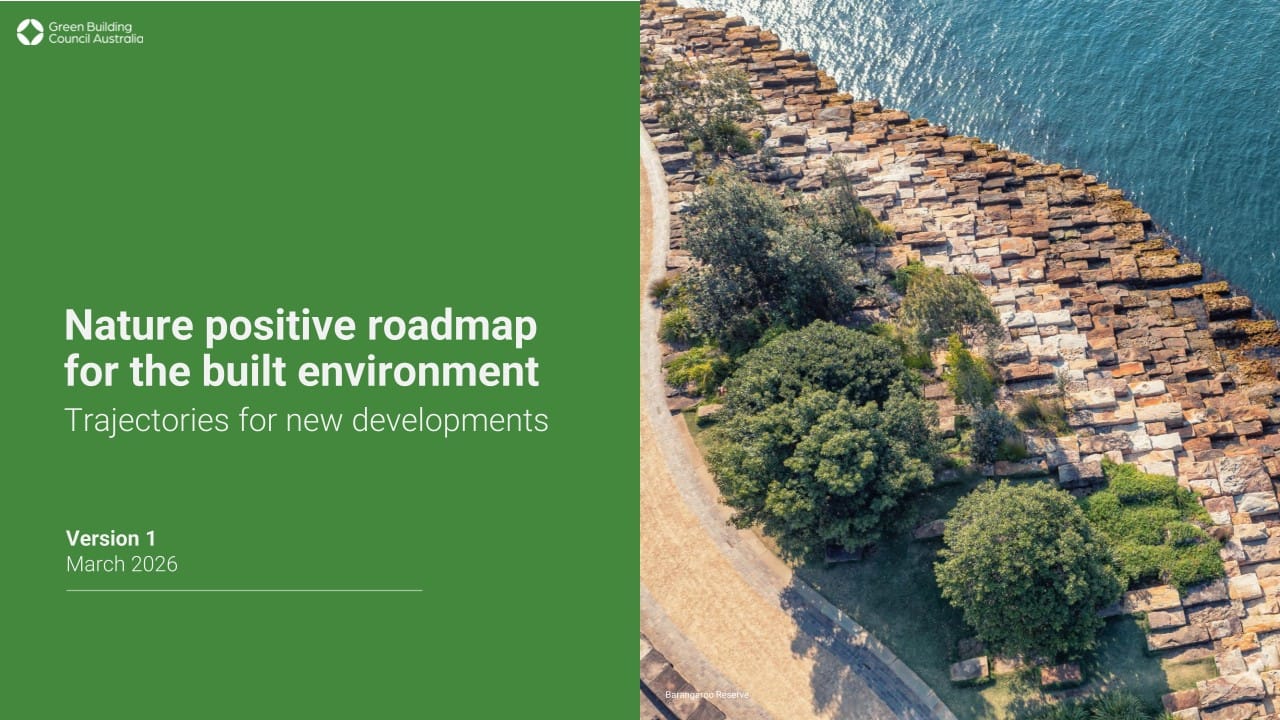
The global energy landscape is undergoing a profound transformation, driven not only by climate imperatives but increasingly by a broader environmental agenda. A recent development out of Australia, the Green Building Council of Australia’s (GBCA) new nature roadmap, serves as a potent signal for oil and gas investors, illustrating how ESG pressures are expanding beyond carbon emissions to encompass biodiversity, ecosystem restoration, and circular economy principles. While seemingly focused on the built environment, this comprehensive framework sets clear, time-bound targets through 2050 for developers, investors, and planners, creating a precedent that will inevitably ripple through heavy industries, including oil and gas, particularly those with significant land footprints or material supply chain dependencies in Australia and beyond. This roadmap signals a critical shift from simply mitigating environmental harm to actively pursuing ‘nature positive’ outcomes, introducing a new layer of risk and opportunity that forward-looking energy investors must meticulously evaluate.
The Expanding ESG Frontier: Beyond Carbon to Biodiversity
For years, climate change and carbon emissions have dominated the ESG narrative for oil and gas. However, the GBCA’s nature roadmap underscores a crucial expansion of this frontier. By operationalizing the Kunming–Montreal Global Biodiversity Framework at a national, sector-specific level, Australia is setting a new benchmark for how industries are expected to engage with the natural world. This framework introduces a paradigm shift towards active restoration and regeneration, moving far beyond mere compliance or harm reduction. For oil and gas companies, this translates into intensified scrutiny of their operational footprint, land use, and potential impact on biodiverse areas. Exploration and production projects, pipeline infrastructure, and processing facilities that require significant land disturbance or operate near sensitive ecosystems will face heightened regulatory hurdles and public opposition. The roadmap’s specific milestones for 2028, 2030, and 2035, with a long-term trajectory to 2050, demand that companies not only assess their current biodiversity impact but also articulate clear, measurable strategies for achieving nature-positive outcomes, including ecosystem restoration and avoiding further nature loss. This proactive stance will be crucial for project approvals, social license to operate, and maintaining investor confidence in a world where nature is increasingly viewed as a core design and investment consideration.
Circularity and Supply Chain Implications for Hydrocarbon Demand
A central pillar of the GBCA roadmap is the aggressive integration of circularity and the prioritization of lower-impact materials within the built environment. This focus has direct and significant implications for the demand for traditional hydrocarbon-derived products. Construction is a massive consumer of materials, from plastics and insulation to asphalt and various chemical additives, many of which originate from petrochemical feedstocks. As the built environment sector shifts towards increased circularity, emphasizing recycled content, designing for disassembly, and prioritizing bio-based or renewable materials, the demand for virgin petrochemicals could face structural headwinds. For oil and gas companies heavily invested in downstream refining and petrochemicals, this long-term trend represents a potential erosion of a key demand segment. As of today, Brent Crude trades at $92.95, reflecting a slight dip of 0.31% within a daily range of $92.57 to $94.21. This contrasts with the broader market trend observed over the past 14 days, where Brent has seen a notable decline from $101.16 on April 1st to $94.09 on April 21st, reflecting ongoing market volatility and supply-demand rebalancing. While these short-term price movements are influenced by immediate geopolitical events and inventory data, the GBCA roadmap signals a deeper, structural force that will influence long-term demand. The push for resource efficiency and circularity directly challenges the linear ‘take-make-dispose’ model that has underpinned much of the petrochemical industry, necessitating a strategic re-evaluation of product portfolios and investment in sustainable alternatives.
Investor Scrutiny Intensifies: What Our Readers Are Asking
The complexities introduced by evolving ESG frameworks like the GBCA nature roadmap are clearly resonating with the investor community. Our proprietary reader intent data reveals a keen and growing interest in how these macro trends translate into tangible impacts on oil and gas investments. We see frequent questions surfacing, such as “what do you predict the price of oil per barrel will be by end of 2026?” and “How well do you think Repsol will end in April 2026,” alongside more foundational queries like “is WTI going up or down.” These questions underscore a market seeking clarity amidst uncertainty. The GBCA roadmap adds another critical dimension to this uncertainty. Companies with significant Australian operations, or those whose global supply chains intersect with similar emerging ‘nature positive’ initiatives, will face intensified scrutiny from ESG-focused funds, institutional investors, and lenders. Investors are no longer merely assessing financial performance; they are increasingly demanding robust strategies for biodiversity protection, ecosystem restoration, and demonstrable resource efficiency. The roadmap’s identification of “fragmented policy settings” and “chronic underinvestment in nature” as systemic challenges highlights areas where proactive companies can differentiate themselves. Those who can clearly articulate their nature-related risks and opportunities, and demonstrate progress against measurable targets, will likely gain a competitive edge in attracting and retaining capital in an increasingly ESG-conscious investment landscape.
Navigating the Regulatory Landscape and Upcoming Milestones
While the immediate market focus for oil and gas investors often revolves around short-term data releases and geopolitical catalysts, the GBCA roadmap serves as a potent reminder of the long-term, structural shifts underway. Our upcoming energy events calendar highlights crucial near-term indicators, such as the EIA Weekly Petroleum Status Report due today and again next Wednesday, and the Baker Hughes Rig Count scheduled for this Friday and next. The EIA Short-Term Energy Outlook, expected on May 2nd, will provide critical near-term projections for the sector. However, astute investors must look beyond these immediate data points to understand the profound implications of frameworks like Australia’s nature roadmap. This initiative, with its clear milestones set for 2028, 2030, and 2035, and a vision extending to 2050, is likely to become a blueprint for similar policies in other developed nations. Oil and gas companies must proactively assess their land use practices, water management strategies, and material sourcing, anticipating that these ‘nature positive’ and circularity requirements will become more stringent globally. The roadmap explicitly mentions that Green Star standards, a prominent rating system for sustainable buildings, will evolve to incorporate these new expectations, signaling a dynamic and intensifying regulatory environment. Companies that embed biodiversity and circularity into their core business strategies today will be better positioned to navigate the evolving regulatory landscape, mitigate future risks, and unlock new opportunities in a resource-constrained, environmentally conscious future.


