Great Britain’s Clean Power Surge: A Bellwether for Global Oil Demand?
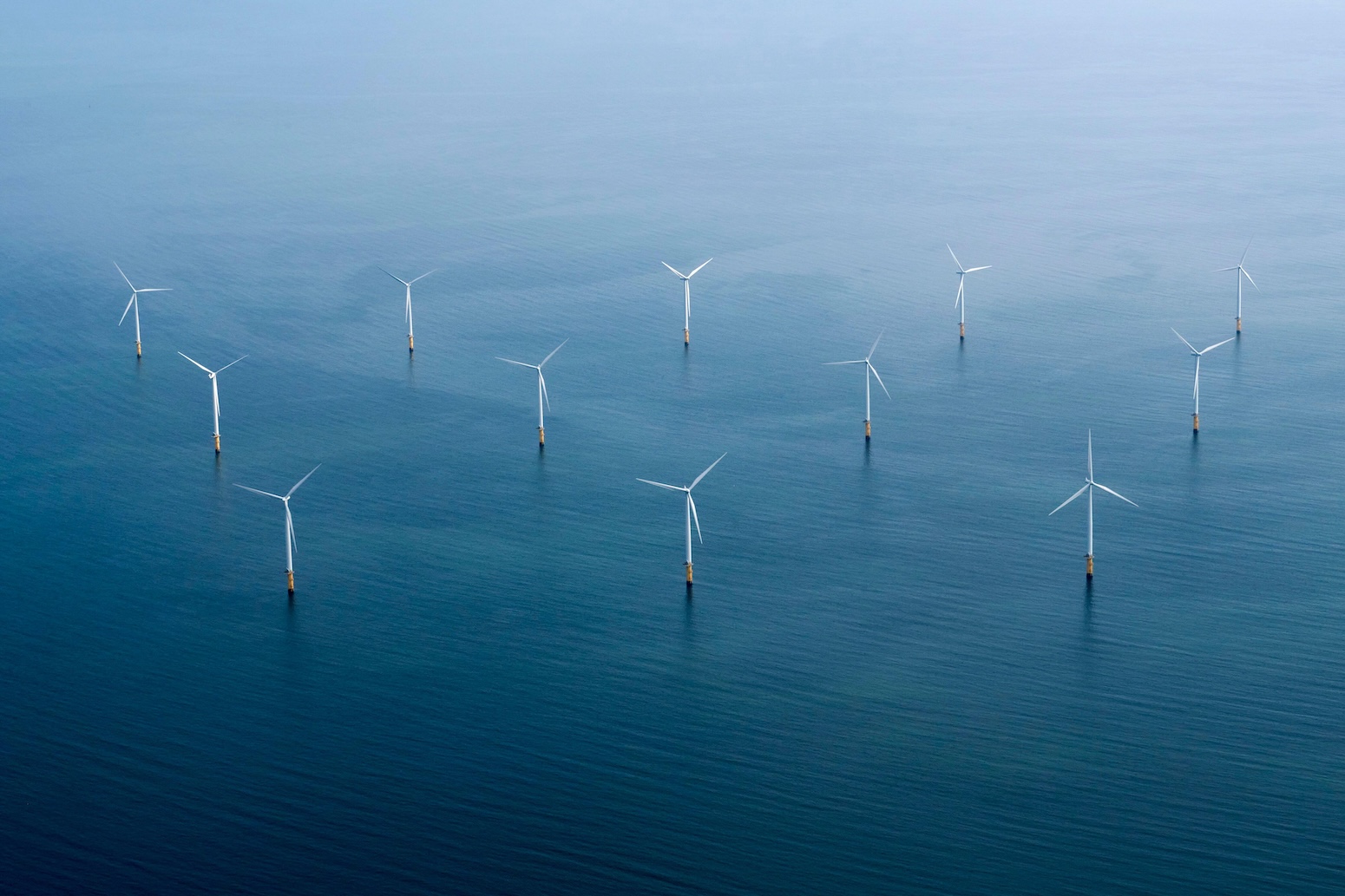
Great Britain has achieved a notable milestone in its energy transition journey, recording a record 87 hours in 2025 where electricity demand was fully met by clean energy sources. This figure dramatically surpasses the mere 2.5 hours in 2021 and 64.5 hours in all of 2024, signaling an accelerating shift away from fossil fuels in power generation. While this achievement primarily impacts natural gas demand in the UK, its implications for the broader oil and gas investment landscape are significant, serving as a potent reminder of the energy transition’s pace and the evolving risk profile for hydrocarbon assets globally. For savvy investors, understanding these micro-trends within major economies is crucial for navigating volatile markets and positioning for long-term value.
The UK’s Decarbonization Trajectory: A Blueprint for Reduced Fossil Fuel Reliance
The acceleration of clean power generation in Great Britain is not merely an isolated event but a clear indicator of a nation committed to aggressive decarbonization targets. The government aims for 95% of electricity to come from low-carbon sources by 2030, with 100% of national demand met without fossil fuels. This ambitious goal implies generating 105% of electricity needs from clean sources, allowing for export of the surplus, and limiting gas generation to no more than 5%. The data reveals a significant leap: from just 0.03% of hours in 2021 with 100% clean coverage to 1.3% in 2025 to date, a 50-fold increase. During these periods, wind power has dominated, contributing an average of 72% of demand, followed by nuclear at 18%, solar at 10%, biomass at 4%, and hydro at 1%.
While these targets are still a considerable distance from being met—with only 66% of generation from nuclear or renewables covering 59% of demand in 2025 to date—the trajectory is undeniable. This rapid scaling of renewables and nuclear capacity directly erodes demand for natural gas in the power sector. For oil and gas investors, this trend, if replicated across other major economies, suggests a future where even gas, often seen as a “bridge fuel,” faces increasing competitive pressure from zero-carbon alternatives. This shift has broader implications for global LNG markets and the investment thesis for new gas infrastructure.
Current Market Headwinds Meet Long-Term Transition Pressures
The accelerating energy transition in key economies like Great Britain adds another layer of complexity to an already volatile oil market. As of today, Brent crude trades at $90.38, reflecting a sharp decline of 9.07% within the day’s range of $86.08 to $98.97. Similarly, WTI crude stands at $82.59, down 9.41% from its daily high, trading within a range of $78.97 to $90.34. This significant intraday drop is compounded by a notable 14-day trend, where Brent crude has fallen from $112.78 on March 30, 2026, to its current $90.38, representing a substantial 19.9% decline.
This market weakness can be attributed to a confluence of factors, including macroeconomic concerns, but the underlying narrative of energy transition, exemplified by Great Britain’s clean power records, plays an increasingly influential role. While the direct impact of UK clean electricity on global oil demand is marginal, the psychological and long-term investment implications are not. This demonstrable progress in decarbonization contributes to a broader bearish sentiment regarding future fossil fuel demand, influencing investor allocation decisions and potentially capping upside in a market already grappling with supply-demand imbalances. The rapid adoption curve observed in GB serves as a leading indicator for what other developed nations might achieve, reinforcing the long-term headwinds for conventional energy.
Navigating Future Uncertainty: Investor Questions and Upcoming Events
Our proprietary reader intent data reveals a significant focus among investors on the future trajectory of oil prices and the strategies of major producers. Questions like “What do you predict the price of oil per barrel will be by end of 2026?” and “What are OPEC+ current production quotas?” underscore the desire for clarity in an uncertain environment. These questions become even more pertinent when viewed through the lens of accelerating energy transition trends.
Looking ahead, the upcoming OPEC+ Meeting on April 19, 2026, will be a critical event for short-to-medium term supply dynamics. While OPEC+ decisions directly influence supply, the demand side is increasingly vulnerable to structural shifts like those seen in Great Britain. The persistent growth of clean energy capacity, even if gradual on a global scale, chips away at long-term demand projections, making OPEC+’s task of balancing the market more challenging. Furthermore, weekly data points, such as the API Weekly Crude Inventory (April 21, April 28) and the EIA Weekly Petroleum Status Report (April 22, April 29), will provide crucial short-term demand and supply signals. However, investors must integrate these immediate indicators with the longer-term structural changes driven by policies and technological advancements in decarbonization. The Baker Hughes Rig Count on April 24 and May 1 will offer insights into upstream activity, but the broader investment thesis for new drilling is increasingly being weighed against the accelerating transition. For companies like Repsol, which readers are asking about, their performance will increasingly depend on their ability to adapt to these evolving market dynamics, balancing traditional hydrocarbon production with investments in renewables and lower-carbon solutions.
Investment Strategy: Adapting to the Energy Transition’s Accelerated Pace
For oil and gas investors, Great Britain’s clean power achievement is a stark reminder that the energy transition is not a distant concept but an active, accelerating force impacting market fundamentals today. The 50-fold increase in clean energy coverage hours within just four years demonstrates that policy-driven decarbonization, coupled with technological advancements, can yield rapid shifts in energy matrices. This trend necessitates a re-evaluation of long-term investment horizons for traditional fossil fuel assets.
Companies with significant exposure to gas-fired power generation in regions pursuing aggressive decarbonization face growing stranded asset risks. Conversely, firms with diversified portfolios, robust renewable energy divisions, or strategic investments in enabling technologies like carbon capture, hydrogen, and grid modernization stand to benefit. The investment imperative is clear: identify companies that are actively pivoting their business models to align with a lower-carbon future, rather than those solely relying on historical hydrocarbon demand growth. As nations like Great Britain continue to push towards their 2030 targets and beyond, the investment landscape for oil and gas will increasingly favor agility, innovation, and a proactive approach to the global energy transition.