The energy landscape on the U.S. Gulf Coast is set for a transformative expansion with the Galveston LNG Bunker Port (GLBP) achieving a critical milestone: securing all necessary operational permits. This development paves the way for the region’s first dedicated small-scale facility designed to fuel marine vessels with liquefied natural gas (LNG), signaling a significant shift in the maritime industry’s drive towards cleaner energy solutions and opening a compelling new avenue for energy infrastructure investment.
Galveston Poised to Revolutionize Marine Fueling
Positioned strategically on the Texas City Ship Channel, within the bustling Texas City industrial area, the Galveston LNG Bunker Port represents a pioneering joint venture between Pilot LNG and Seapath Group, a subsidiary of the formidable Libra Group. Their collective ambition is to develop, own, and operate a state-of-the-art facility that directly addresses the burgeoning demand for environmentally friendlier marine fuels. The project’s full permitting approval marks a pivotal moment, affirming its readiness to proceed and establish a crucial node in the global LNG bunkering network.
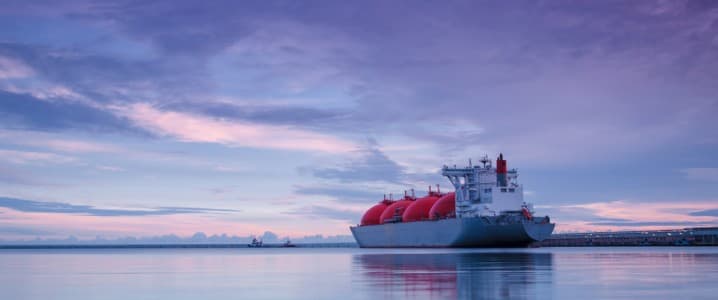
This facility is not merely an addition to the existing energy infrastructure; it is a strategic response to evolving market dynamics. GLBP intends to supply LNG directly to ships via specialized fuel barges. This flexible and efficient delivery model is designed to cater to the rapidly growing fleet of LNG-fueled vessels operating within the expansive Houston-Galveston region. Its location offers unparalleled access to major maritime hubs, including Port Houston, the Port of Galveston, and the Port of Texas City, thereby cementing its role as a vital link in the regional and international shipping supply chain.
Driving Forces: Emissions Reduction and Regulatory Mandates
The impetus behind the surge in LNG bunkering facilities like GLBP stems directly from the global shipping industry’s concerted efforts to drastically reduce its environmental footprint. International legislation, spearheaded by organizations like the International Maritime Organization (IMO), has imposed stringent regulations on vessel operators. These mandates compel shipowners to either transition away from high-sulfur fuel oil (HSFO) – a historically dominant but polluting bunker fuel – to cleaner alternatives such as LNG, or invest in exhaust gas cleaning systems, commonly known as scrubbers, to mitigate emissions from HSFO combustion.
LNG stands out as a superior alternative, offering substantial reductions in sulfur oxides (SOx), nitrogen oxides (NOx), and particulate matter emissions compared to traditional marine fuels. This environmental advantage, coupled with its increasing availability and competitive pricing, makes LNG an attractive and compliant fuel choice for a growing number of shipping companies. For investors, this regulatory push translates into a durable and expanding market for LNG bunkering infrastructure, providing a strong long-term growth trajectory for projects like GLBP.
First-Mover Advantage in the Gulf Coast Market
With its final permits now secured, the Galveston LNG Bunker Port is poised to commence construction later this year, with an anticipated operational start-up in late 2026. This timeline positions GLBP as a critical early entrant in the Gulf Coast market. Josh Lubarsky, President of Seapath, underscored this strategic advantage, stating that the extensive and complex preparatory work has placed them comfortably ahead in the marketplace to become the premier dedicated LNG marine fuels supplier in the U.S. Gulf. This first-mover status is invaluable, allowing GLBP to capture early market share and establish strong commercial relationships within a nascent but rapidly expanding sector.
While GLBP will be the first dedicated LNG bunkering facility on the U.S. Gulf Coast, it is set to become America’s second overall, following the successful model of JAX LNG. Located at Dames Point near Jacksonville, Florida, JAX LNG has demonstrated the viability and demand for small-scale coastal LNG facilities. The broader regulatory environment has also been supportive; notably, in February 2017, a month after then-President Donald Trump assumed office, the Department of Energy issued an order designed to remove barriers for the widespread adoption of LNG as a marine fuel, further validating the long-term prospects of this energy transition.
Investment Outlook: A Catalyst for Regional Growth
The development of the Galveston LNG Bunker Port represents more than just a new energy facility; it is a significant investment in regional economic growth and sustainable maritime operations. By providing a reliable and efficient supply of LNG, GLBP will enable more vessels to comply with environmental regulations, potentially attracting a larger fleet of cleaner-burning ships to Gulf Coast ports. This, in turn, can enhance the competitiveness of these ports, stimulate related maritime services, and create new job opportunities across the energy and shipping sectors.
For investors monitoring the oil and gas landscape, GLBP offers a tangible opportunity within the rapidly evolving clean energy segment. The project’s robust permitting, strategic location, experienced joint venture partners, and alignment with global decarbonization trends position it as a compelling asset. As the global shipping industry continues its inevitable pivot towards lower-carbon fuels, facilities like the Galveston LNG Bunker Port are not just meeting a present need but are building the essential infrastructure for the future of maritime commerce. This strategic infrastructure play underscores the transformative potential of LNG in shaping a more sustainable, and profitable, future for the marine sector.