France Wildfire: A Climate Catastrophe with Indirect Energy Market Implications
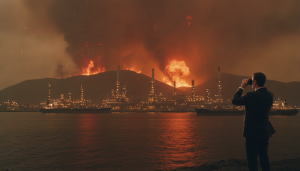
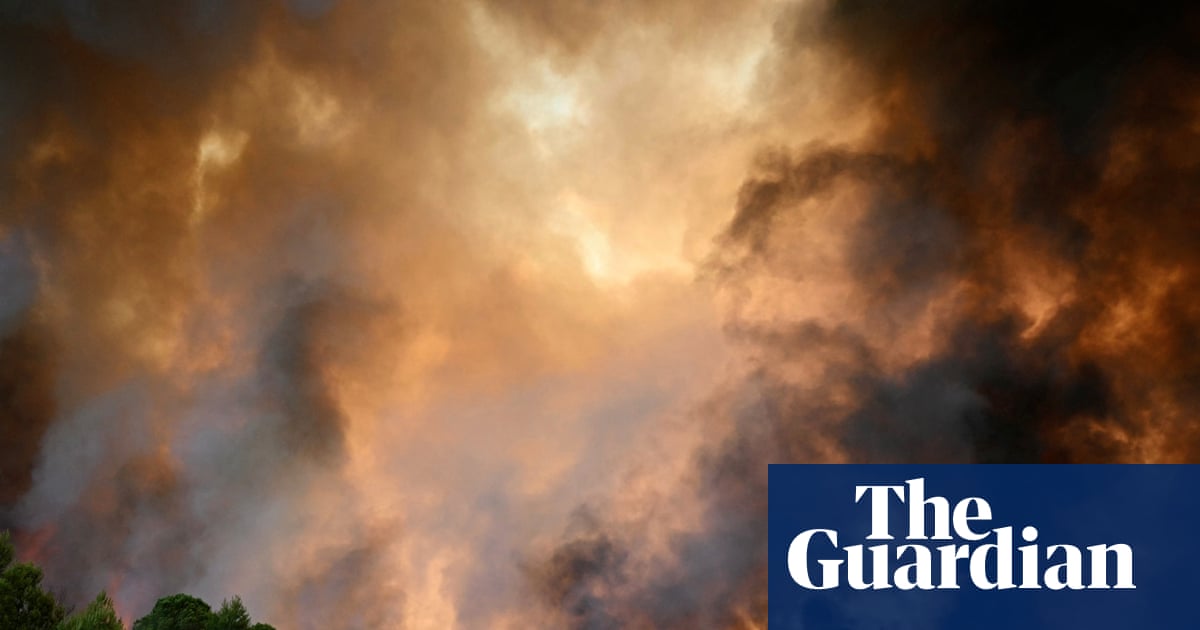
A catastrophic wildfire is currently scorching southern France, devastating 16,000 hectares – an area roughly the size of Paris – in the Corbières hills. Described by French Prime Minister François Bayrou as a “catastrophe of unprecedented scale” and explicitly linked to climate change and drought, this blaze represents the second largest fire in France in half a century. While the immediate human tragedy and localized destruction are paramount, astute energy investors are rightly assessing what such intensifying climate events mean for the broader energy market landscape, even if direct physical disruption to oil and gas infrastructure remains limited.
Market Indifference to Localized Disaster Masks Broader Risks
Despite the immense scale of destruction, with entire villages like Jonquières resembling “lunar landscapes” and at least 25 homes destroyed, the global energy market has shown little direct reaction to the French wildfire. As of today, Brent Crude trades at $94.45 per barrel, down 1.08% on the day, while WTI Crude sits at $86.12, marking a 1.49% decline. Gasoline prices have also edged lower to $3.02. This downturn aligns with a broader bearish trend, with Brent having fallen nearly 20% from $118.35 just three weeks ago. This market apathy towards the wildfire is understandable from a purely physical supply perspective; the Corbières region is not a major oil or gas production hub, nor does it host critical export terminals or refineries that would immediately impact global supply chains. Road closures and localized evacuations will have negligible impact on overall European fuel demand. However, to dismiss the event entirely would be a misstep, as it serves as a stark reminder of escalating climate-related risks to energy infrastructure and long-term investment theses.
Climate Events Reshape the Energy Infrastructure Risk Profile
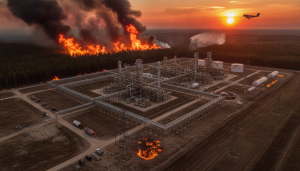
The explicit attribution of this wildfire to climate change by French officials underscores a critical, evolving risk factor for the energy sector. While this specific blaze has not directly impacted a pipeline or a power plant, the increasing frequency and intensity of extreme weather events – be it wildfires, floods, or severe storms – present a growing threat to energy infrastructure globally. For investors evaluating assets with multi-decade lifespans, assessing resilience to climate shocks is no longer a peripheral concern but a core component of risk analysis. From upstream facilities in coastal areas vulnerable to hurricanes, to transmission lines running through fire-prone forests, to refineries facing water scarcity or extreme heat, the operating environment for all energy companies is becoming more volatile. This French catastrophe, therefore, contributes to a growing body of evidence indicating that climate-related operational disruptions and higher insurance costs will become increasingly common, impacting profitability and asset valuation over time.
Investor Focus: Price Trajectories and the Energy Transition Mandate
Our proprietary reader intent data reveals a keen investor focus on price direction, with common queries such as “is WTI going up or down?” and “what do you predict the price of oil per barrel will be by end of 2026?” While the immediate market reaction to the French wildfire is muted, such events invariably strengthen the long-term narrative for the energy transition. Governments and societies, confronted with the tangible impacts of climate change, are likely to accelerate policies pushing for decarbonization and investment in renewable energy sources. This sustained pressure could create headwinds for demand growth in traditional fossil fuels in the coming years. For investors grappling with future oil price predictions, these climate-driven policy shifts, alongside economic growth and geopolitical stability, are crucial variables. The recent significant drop in Brent crude, preceding this wildfire, highlights that broader macroeconomic concerns and supply-side dynamics are currently the dominant drivers, but the specter of climate-driven demand erosion continues to loom large in longer-term outlooks.
Navigating Volatility: Upcoming Catalysts and the Forward Outlook
While the French wildfire offers a sobering long-term perspective, immediate market movements will be dictated by more conventional catalysts. OilMarketCap.com’s event calendar highlights several critical data points in the coming days that warrant investor attention. Tomorrow, 2026-04-21, the **OPEC+ JMMC Meeting** is scheduled, providing the first major signal regarding the cartel’s production policy in light of recent price declines. Any indications of further supply cuts or, conversely, a decision to maintain current output levels will significantly impact market sentiment. Following this, the **EIA Weekly Petroleum Status Report** on 2026-04-22 and subsequent **API Weekly Crude Inventory** reports will offer vital insights into US supply and demand dynamics. Looking further ahead, the **EIA Short-Term Energy Outlook on 2026-05-02** will be a pivotal release, providing official projections that will help investors calibrate their expectations for oil prices through the end of 2026 and beyond. In this environment, where acute climate events serve as powerful reminders of long-term risks, prudent investors must balance immediate fundamental drivers with an evolving understanding of how environmental factors will increasingly shape the energy investment landscape.