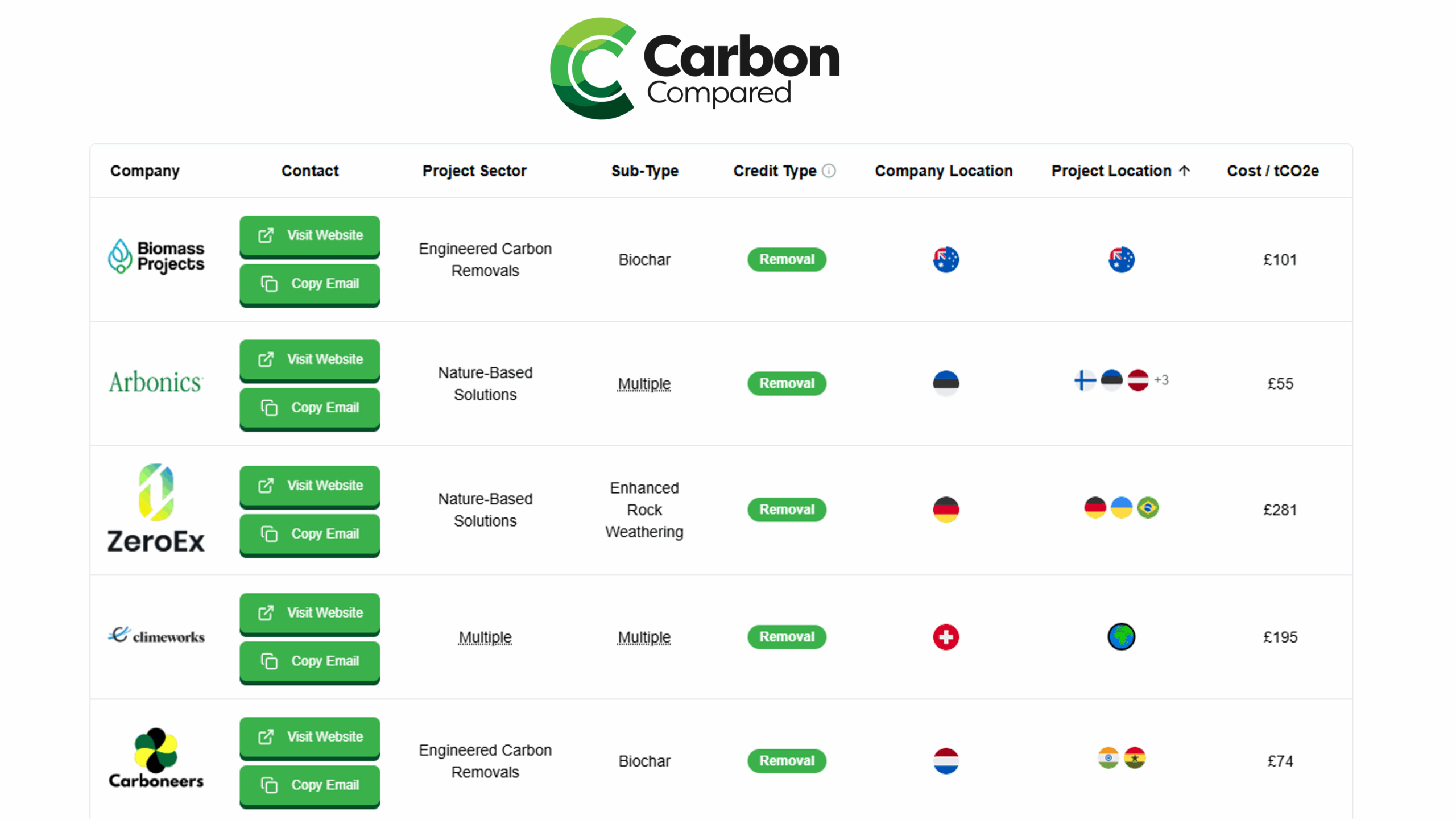
The global energy landscape is undergoing a profound transformation, characterized by both persistent volatility in traditional hydrocarbon markets and an accelerating pivot towards decarbonization. For investors navigating this complex environment, identifying credible pathways to sustainable growth while mitigating risk is paramount. A significant challenge has long resided within the voluntary carbon market (VCM), an opaque and often inefficient arena where companies seek to offset their emissions. However, a recently launched online platform is poised to inject much-needed transparency and efficiency, offering a critical new tool for de-risking carbon credit investments and empowering companies to achieve their climate goals with greater confidence.
Navigating Volatility: The Imperative for Efficient Decarbonization
The current macro environment underscores the critical need for efficiency across all facets of energy investment, including decarbonization efforts. As of today, Brent Crude trades at $94.45, reflecting a -1.08% dip within a day range of $93.98-$95.69. Similarly, WTI Crude stands at $86.12, down -1.49% from its daily high of $86.78. This immediate snapshot follows a more substantial downward trend for Brent, which has shed nearly 20% over the past two weeks, falling from $118.35 on March 31st to $94.86 yesterday. Such significant price movements highlight the persistent unpredictability in traditional energy markets, prompting investors and companies alike to seek greater certainty and cost-effectiveness wherever possible.
In this climate of fluctuating commodity prices, the pressure on oil and gas companies to demonstrate robust ESG strategies, including credible decarbonization pathways, intensifies. While revenues from hydrocarbon sales may see periods of contraction, the long-term strategic imperative to reduce carbon footprints remains. This makes solutions that streamline and de-risk the procurement of high-integrity carbon credits particularly attractive. An efficient platform that aggregates verified credits and offers transparent pricing directly addresses the need for faster, lower-cost climate action, allowing enterprises to manage their environmental responsibilities without disproportionate financial or reputational exposure.
De-risking the Voluntary Carbon Market for Investors
One of the most pressing questions from investors, as evidenced by recent inquiries concerning the future trajectory of WTI or the year-end oil price, revolves around market predictability and risk mitigation. This demand for clarity extends far beyond traditional commodity markets into emerging sectors like carbon finance. The voluntary carbon market, despite its rapid growth, has historically been plagued by challenges: inconsistent quality standards, multiple and often conflicting rating systems, and opaque pricing. These factors have created significant barriers for companies, especially small and mid-sized enterprises, seeking to invest in credible offsets, leading to reputational risks and inefficient capital allocation.
The new platform directly addresses these investor concerns by aggregating and standardizing data from leading credit providers. By enabling users to compare verified credits side-by-side, filtering by project type, location, price per tonne, co-benefits, and independent ratings, it fundamentally enhances market transparency. This capability is a game-changer for de-risking carbon credit investments. Investors and corporate buyers can now identify high-integrity projects with confidence, minimizing the risk of purchasing low-quality offsets that might later be discredited. This move towards greater standardization and readily accessible information not only saves time and money for buyers but also builds public trust in carbon credits, fostering a more robust and reliable market for all participants.
Strategic Implications for Oil & Gas Players and Upcoming Market Shifts
For oil and gas companies, a transparent and efficient carbon credit marketplace offers significant strategic advantages. As the sector continues to navigate the energy transition, the ability to source credible offsets quickly and cost-effectively is crucial for meeting internal ESG targets, satisfying investor demands, and maintaining social license to operate. The platform empowers these companies to refine their carbon portfolios, ensuring that their contributions support projects with tangible environmental impact and align with their broader sustainability objectives.
The backdrop of upcoming market events further underscores this need for strategic agility. This week alone sees the OPEC+ JMMC Meeting on April 21st, which could signal shifts in global crude supply, followed by the EIA Weekly Petroleum Status Report on April 22nd, providing insights into U.S. inventory levels. The Baker Hughes Rig Count on April 24th will offer a snapshot of drilling activity, with subsequent EIA and API inventory reports continuing into early May, culminating in the EIA Short-Term Energy Outlook on May 2nd. While these events primarily influence traditional hydrocarbon markets, they also dictate the financial health and strategic bandwidth of oil and gas firms. In an environment where capital allocation is meticulously scrutinized, tools that optimize spending on essential ESG initiatives, such as carbon offsetting, become indispensable. By streamlining access to verified carbon credits, the new platform unlocks carbon finance for organizations, enabling them to integrate climate action more seamlessly into their ongoing operations and long-term strategic planning, even as they respond to dynamic market conditions.
The Future Trajectory of Carbon Finance and Market Credibility
The introduction of a comprehensive, free-to-use carbon credit comparison platform marks a pivotal moment for the voluntary carbon market. Its design, built for both startups seeking simple offset solutions and established enterprises refining their carbon portfolios, signals a maturation of carbon finance infrastructure. By aggregating verified credits and offering transparent ratings and project details, the platform addresses a critical market gap, moving away from the low-cost, low-quality options that have historically skewed perception and eroded trust.
Looking ahead, this enhanced transparency and accessibility are expected to foster greater participation from a wider range of companies, driving increased demand for high-integrity projects. This, in turn, can unlock more carbon finance for project developers, incentivizing the creation of impactful environmental initiatives globally. For investors, the platform provides a clearer lens through which to evaluate the efficacy and credibility of corporate climate action, ensuring that capital flows towards genuinely sustainable endeavors. The goal is clear: to enhance market transparency and break down barriers, giving companies the clarity needed to support projects with tangible environmental impact, ultimately building public trust and solidifying the VCM’s role as a legitimate and effective tool in the global decarbonization effort.


