The global energy landscape continues its relentless transformation, with every strategic move in the electric vehicle (EV) sector sending ripples through traditional oil markets. For astute oil and gas investors, understanding these shifts is paramount, particularly as they hasten the much-debated timeline for peak oil demand. The latest development, signaling a potentially significant alliance between Taiwanese manufacturing giant Foxconn and Japan’s Mitsubishi Fuso Truck and Bus Corporation for all-electric buses, underscores this accelerating trend.
This prospective partnership, if confirmed, is not merely another EV venture; it represents a powerful convergence of manufacturing prowess and established automotive distribution, directly challenging the longevity of diesel consumption in heavy-duty transport. As dedicated financial journalists covering the oil and gas sector, we must view such announcements not in isolation, but as critical indicators of a deepening structural shift away from fossil fuels.
Foxconn’s Electric Offensive: A New Manufacturing Powerhouse Targets Mobility
Foxconn, officially known as Hon Hai Precision Industry, has long been a titan in contract electronics manufacturing. Its strategic pivot into e-mobility, however, positions it as a formidable new entrant in the automotive space, capable of rapidly scaling production and disrupting established supply chains. The company’s chairman, Young Liu, has explicitly articulated this vision, emphasizing that the EV business is slated to become a primary growth engine for the conglomerate. This ambition is not limited to passenger vehicles; its foray into commercial transport, specifically electric buses, carries profound implications for the demand for refined petroleum products.
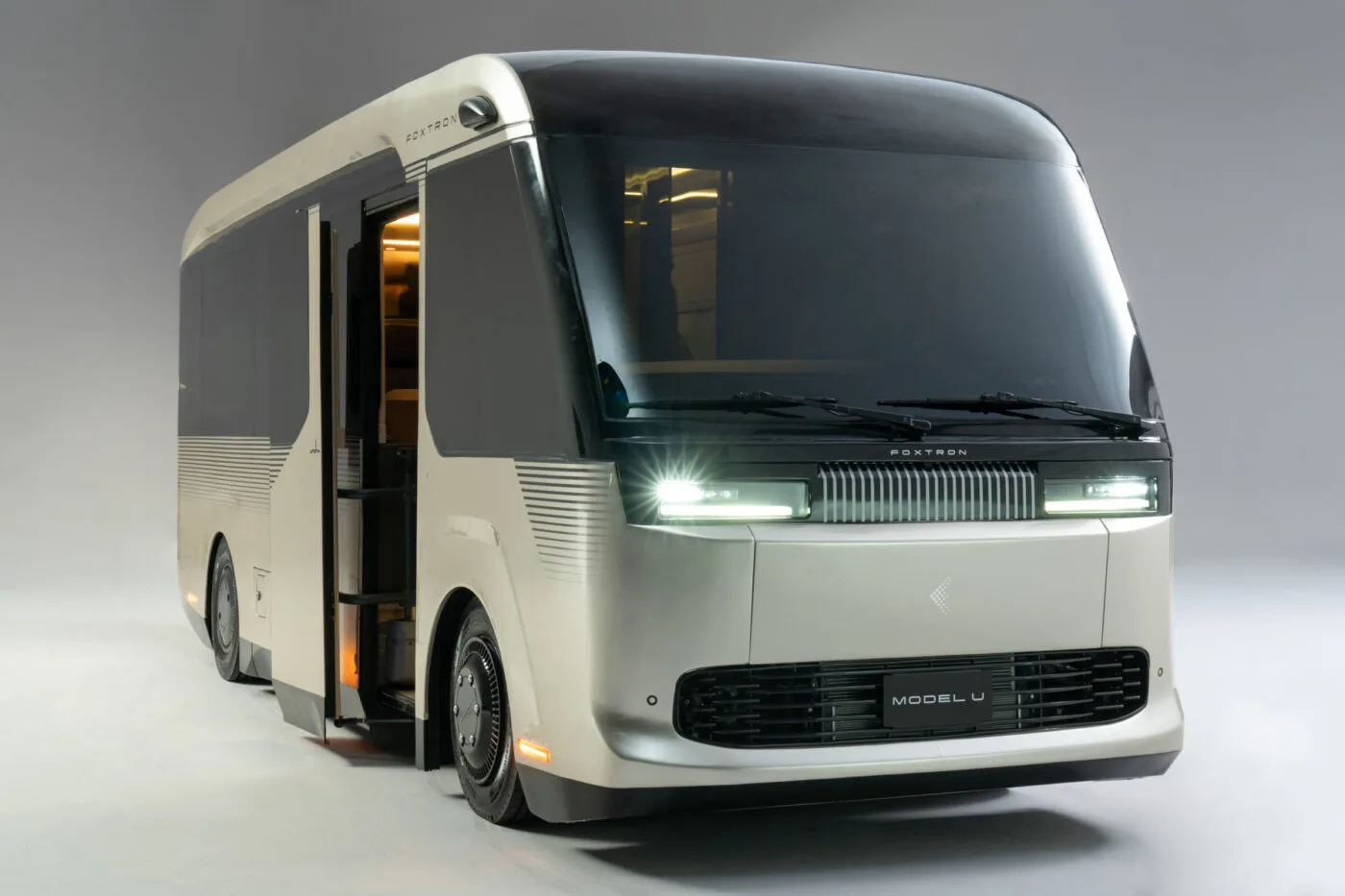
The company’s electric vehicle strategy is unfolding with remarkable speed. Its Model T electric bus has been operational on Taiwanese routes since 2022, demonstrating real-world deployment. The introduction of the Model U microbus last October further broadened its commercial vehicle offering. Foxconn’s ability to leverage its vast manufacturing expertise and global supply chain networks allows it to fast-track vehicle development and production, presenting a significant competitive advantage in the burgeoning EV market.
Mitsubishi Fuso Partnership: A Strategic Blow to Diesel Demand
The reported negotiations with Mitsubishi Fuso Truck and Bus Corporation are a game-changer. Should a supply agreement materialize, Mitsubishi Fuso would integrate Foxconn-developed electric bus models, specifically the Model T and the Model U microbus, into its product line. These vehicles would be rebranded and marketed under the venerable Mitsubishi Fuso nameplate, leveraging its extensive distribution network and brand recognition across Japan and beyond. Discussions are even underway regarding the formation of a new entity to oversee this ambitious project, signaling a deep, long-term commitment from both parties.
For oil and gas investors, this signifies a direct assault on a historically stable segment of petroleum demand: commercial diesel fuel. Mitsubishi Fuso is a major player in the global truck and bus market. Its embrace of battery-electric solutions, propelled by Foxconn’s manufacturing capabilities, accelerates the displacement of internal combustion engines in urban and regional transport. Each electric bus deployed in 2027, the anticipated launch year for these models in Japan, will directly translate to a reduction in daily diesel consumption, contributing to the broader narrative of declining liquid fuel demand.
Broader EV Expansion and Evolving Market Dynamics
This potential collaboration with Mitsubishi Fuso is not an isolated incident but part of Foxconn’s broader, aggressive expansion into the Japanese EV market. Just in May, the company inked a memorandum of understanding with Mitsubishi Motors, a separate entity from Mitsubishi Fuso, to supply a customized version of its Model B electric crossover. These back-to-back agreements underscore Foxconn’s strategic intent to establish a significant e-mobility footprint in a key Asian market, further solidifying its role as a disruptive force.
The competitive landscape for electric buses in Japan is intensifying. While Foxconn and Mitsubishi Fuso aim for a 2027 launch, other players have already secured early market entry. Companies like BYD, a Chinese EV behemoth, and local contender EV Motors Japan have been active, often benefiting from streamlined manufacturing processes. This fierce competition, coupled with strategic consolidations such as Mitsubishi Fuso’s recent agreement to merge with Toyota subsidiary Hino Motors, indicates an industry rapidly moving towards electrification. Mitsubishi Fuso President Karl Deppen has even hinted at ongoing electric bus projects with “other partners,” suggesting a multi-pronged approach to electrification that will inevitably erode diesel’s market share.
Implications for Oil Markets and Investor Strategy
For oil and gas investors, these developments are not abstract future trends; they are tangible forces shaping present and future investment returns. The electrification of commercial fleets, historically a robust source of demand for diesel, represents a significant structural headwind for global oil consumption. As major manufacturers like Mitsubishi Fuso commit to electric alternatives, driven by partners with the scale of Foxconn, the timeline for peak oil demand inevitably moves closer.
The gradual but inexorable shift away from fossil fuels in transport, accelerated by such strategic alliances, necessitates a re-evaluation of long-term oil demand projections. While global oil demand may continue to grow in the short term due to factors like emerging market expansion, the foundation of demand from mature economies and critical sectors like commercial transport is steadily eroding. Investors must scrutinize the capital expenditure plans of oil and gas companies, assessing their resilience against a backdrop of potentially declining long-term demand. Diversification and a focus on companies with robust low-carbon strategies or strong balance sheets become increasingly critical in this evolving energy paradigm.
Conclusion
The potential Foxconn-Mitsubishi Fuso electric bus partnership is more than just a business deal; it is a clear signal of the accelerating energy transition and its direct impact on oil markets. As manufacturing giants pivot towards electric mobility, the long-term outlook for petroleum demand, particularly for diesel, faces mounting pressure. Savvy oil and gas investors must remain acutely aware of these dynamics, understanding that every electric bus, truck, or car introduced onto the roads pushes the global energy system further along the path to a post-peak oil demand future.


