Escalating Crisis: ONGC Faces Mounting Costs and Scrutiny as Assam Gas Leak Enters Fourth Day
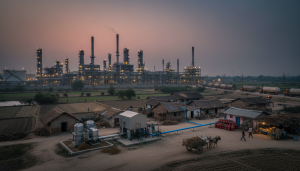
Sivasagar, Assam — India’s state-owned energy giant, ONGC, is grappling with a significant operational challenge as a gas leak from a crude oil well in Assam’s Sivasagar district has persisted for four consecutive days. The ongoing incident, which has impacted approximately 1,500 local residents and necessitated the relocation of 70 families to a relief camp, casts a spotlight on asset integrity, environmental stewardship, and the financial implications of such blowouts for major exploration and production (E&P) companies. Investors are keenly watching the situation, assessing the potential for escalating costs, regulatory penalties, and impacts on future production guidance.
The incident at well no. RDS 147, located within ONGC’s Rudrasagar oil field at Barichuk of Bhatiapar — specifically at rig no. SKP 135 — originated on June 12. Initially, a private firm, SK Petro Services, was operating the well on behalf of the Maharatna company, raising questions about contractor oversight and liability in critical energy infrastructure projects. The prolonged nature of the leak underscores the inherent risks in the energy sector and the complex engineering challenges involved in well control operations.
Operational Response and Crisis Management Efforts
Recognizing the severity of the situation, ONGC has mobilized an extensive response. Vikram Saxena, the company’s Director (Technology & Field Services), arrived on site Saturday to assume direct operational control of the emergency. Under his leadership, a dedicated Crisis Management Team (CMT) is executing a “war-footing” strategy to contain the uncontrolled gas flow. The company has confirmed that a comprehensive well control plan has been formalized, and vital pumping operations have commenced following the successful installation and rigorous testing of all necessary connections. This coordinated effort aims to cap the well and restore stability to the affected area.
Despite the challenging circumstances, officials have confirmed that the well has not ignited, and thankfully, no injuries have been reported among personnel or local residents directly due to the blowout. Emergency services remain fully deployed, working round-the-clock to mitigate risks and support affected communities. The “well killing process,” a critical procedure involving the pumping of heavy fluids into the well to overcome formation pressure and seal the leak, is currently underway. However, the duration of this complex operation remains uncertain, as indicated by local political leaders who met with ONGC officials.
Humanitarian Concerns and ESG Implications
The human dimension of this incident is significant. Around 1,500 individuals in the vicinity are experiencing the pervasive odor of gas, preventing them from safely using open flames for cooking or other daily activities. This disruption to daily life necessitates ongoing support, with the Sivasagar district administration providing cooked meals and continuous monitoring of the situation. Seventy families from the most directly impacted zone have been relocated to a relief camp established in nearby Bangaon, where comprehensive arrangements are being made for their welfare. Medical teams from the Health Department and Animal Husbandry Department are also on-site, attending to both residents and their livestock.
From an investor perspective, these humanitarian impacts directly translate into ESG (Environmental, Social, and Governance) risks. Prolonged community displacement, health concerns, and environmental damage can lead to significant reputational harm, increased regulatory scrutiny, and potential demands for compensation. Such incidents can erode public trust and negatively influence investor sentiment, particularly for companies seeking to demonstrate strong sustainability credentials in an increasingly ESG-conscious market.
Financial Ramifications and Regulatory Oversight
The financial burden on ONGC from this protracted incident is expected to be substantial. Costs will encompass the extensive well control operations, deployment of specialized equipment and expert teams, environmental remediation, and potential compensation for affected communities. Production disruption from the Rudrasagar field, even if localized, represents a direct loss of revenue for the energy major. Furthermore, the involvement of a third-party contractor, SK Petro Services, complicates the liability landscape, potentially leading to contractual disputes and further financial outlays for ONGC.
The state government of Assam has expressed deep concern regarding the uncontrolled blowout. Chief Minister Himanta Biswa Sarma has confirmed that the Chief Secretary is in direct communication with ONGC officials, with additional experts being dispatched to the site. This level of governmental engagement signals potential for heightened regulatory oversight and even fines, depending on the findings of post-incident investigations. Sivasagar MLA Akhil Gogoi, after visiting the site, conveyed that attempts to cap the well had previously failed, with a timeline for resolution still pending. Such public statements from political figures often precede increased regulatory pressure and public demands for accountability.
Investor Outlook: Monitoring Risks and Resolutions
For investors in the oil and gas sector, particularly those holding ONGC shares, this incident highlights the operational risks inherent in crude oil production and natural gas exploration. The company’s ability to swiftly and effectively resolve the leak, manage its community relations, and transparently communicate its efforts will be critical in mitigating long-term financial and reputational damage. The market will be closely watching for updates on the well killing process, estimated costs, and any insights into the root cause of the blowout. A prompt resolution is essential to minimize financial impact, maintain investor confidence, and reinforce ONGC’s commitment to operational excellence and environmental responsibility in India’s vital energy landscape.
The sustained nature of the gas leak serves as a reminder to the entire energy sector of the imperative for robust asset integrity management, stringent safety protocols, and effective crisis response mechanisms to safeguard both shareholder value and community well-being.