Automotive Giants Recalibrate EV Ambitions: Ford Opens Kentucky Battery Plant to Nissan Amidst Market Headwinds
The ambitious drive towards an all-electric future is encountering significant financial headwinds, prompting major automotive players to reassess their strategies. In a telling move that signals a broader industry recalibration, Ford Motor Company is reportedly allowing its Japanese competitor, Nissan, to utilize its underutilized battery production facilities in Kentucky. This unexpected collaboration underscores a crucial shift in capital allocation and risk management within the electric vehicle (EV) sector, with profound implications for the energy transition and investor outlook across the automotive and traditional energy markets.
BlueOval SK: A Reality Check on Grand Plans
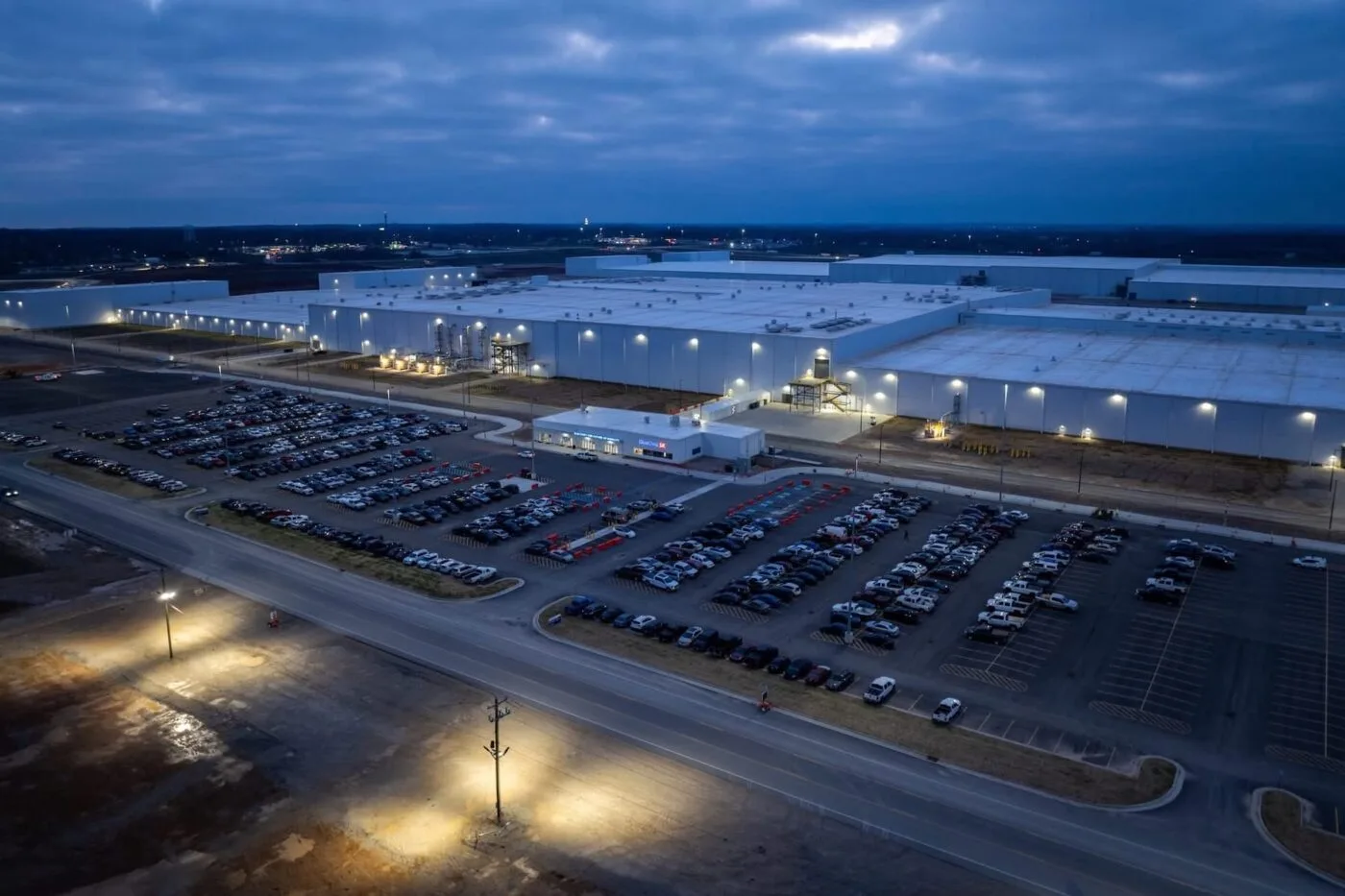
Ford’s battery production capabilities are rooted in BlueOval SK, a joint venture forged in 2022 with South Korean battery powerhouse SK On. The partnership embarked on an ambitious program to construct two state-ofthe-art battery manufacturing plants in Glendale, Kentucky. These facilities were designed to be cornerstones of Ford’s electrification push, each boasting an annual production capacity of 43 GWh, earmarked exclusively for Ford and its luxury Lincoln brand EVs. However, the reality on the ground paints a different picture. According to insider reports, while both factories stand complete, one remains entirely dormant, and the other operates at only a fraction of its intended capacity, exclusively for Ford’s current production needs. This significant underutilization represents substantial idle capital and a drag on profitability, compelling a strategic re-evaluation.
Ford’s Electric Vehicle Offensive Hits Speed Bumps
The decision to open its proprietary infrastructure to a competitor like Nissan is a stark indicator of Ford’s current reticence regarding its aggressive EV expansion plans. The Dearborn automaker had made substantial bets on rapidly escalating demand for electric vehicles, a surge that has yet to materialize at the anticipated scale. The financial impact has been considerable; Ford’s Model e electric vehicle division recorded a staggering loss of $850 million in its most recent quarter. While EV sales did show an increase from 10,000 to 31,000 units within that period, the growth proved insufficient to offset the immense investment and operational costs. Further compounding these challenges, Ford has reportedly shelved the development of a new E/E (electrical/electronic) architecture, signaling a potential slowdown in its future EV platform innovation and product pipeline. This pragmatic pivot from Ford highlights the immense pressure on automakers to demonstrate profitability in their EV ventures, a critical factor for long-term investor confidence.
Nissan Seizes Opportunity Amidst Its Own Struggles
For Nissan, accessing Ford’s Kentucky battery production facilities presents a timely and strategic advantage. The Japanese automaker is navigating its own period of significant financial strain, having reported a substantial $4.5 billion loss in the first quarter of 2025. This downturn has already prompted drastic measures, including the announcement of 20,000 job cuts and the halting of construction on its own planned battery manufacturing plant in Japan. Leveraging existing U.S. production infrastructure provides Nissan with a swift pathway to manufacturing batteries domestically, thereby mitigating the increasing risks associated with potential tariffs on imported vehicles and components. Nissan intends to produce electric SUVs at its Canton, Mississippi plant, and had already confirmed in March its plans to procure batteries from SK On for these models. This arrangement with Ford’s BlueOval SK effectively streamlines Nissan’s supply chain and reduces its capital expenditure in a challenging market, offering a lifeline for its domestic EV aspirations.
Broader Market Headwinds & Macroeconomic Pressures
The strategic adjustments by Ford and Nissan are not isolated incidents but rather symptomatic of broader macroeconomic and political forces impacting the U.S. electric vehicle market. Demand for EVs has recently softened, a trend that is likely to intensify under prospective policy changes. The Republican party, championed by U.S. President Donald Trump, is actively pursuing legislation to abolish the $7,500 federal tax credit for new EV purchases. Such a move would undoubtedly erode a significant incentive for consumers, further dampening sales growth. Simultaneously, the costs associated with EV production continue to escalate, squeezing margins for manufacturers. The looming threat of new tariffs further complicates the landscape, potentially leading to billions in additional losses for an industry already grappling with profitability challenges. These combined pressures compel automakers to exercise greater capital discipline and seek efficiencies, even through unconventional collaborations.
Implications for Oil & Gas Investors
From an oil and gas investment perspective, these developments are profoundly significant. The deceleration in EV adoption, coupled with automakers’ scaled-back ambitions and financial struggles, directly impacts the projected trajectory of global crude oil and natural gas demand. A slower energy transition implies a more protracted period of reliance on traditional fossil fuels, potentially extending the investment horizon for upstream and midstream assets. Investors in the energy sector should keenly observe these automotive industry shifts, as they provide critical signals regarding the pace at which EV penetration will displace internal combustion engine vehicles. The narrative of an inevitable, rapid decline in oil demand due to electrification is being challenged by market realities and strategic recalibrations from the very companies driving the EV revolution. This suggests a more resilient demand profile for petroleum products in the medium term than previously forecast, potentially influencing refining margins, transportation fuel consumption, and overall energy market stability. Capital deployed in traditional energy now appears to have a more robust fundamental underpinning than some earlier, more aggressive energy transition models suggested.
Industry-Wide Reassessment of EV Strategy
The adjustments by Ford and Nissan are indicative of a wider trend across the automotive industry. General Motors, for instance, has also recently pared back its EV manufacturing footprint, parting ways with a battery plant under construction in Michigan. These actions collectively underscore a fundamental reassessment of the speed and scale of the EV transition, prioritizing profitability and sustainable growth over aggressive, capital-intensive expansion. For investors navigating the complex interplay between traditional energy and emerging technologies, these signals are invaluable, suggesting a need for a balanced portfolio approach that recognizes the enduring role of conventional fuels while monitoring the evolving, and often turbulent, landscape of electric mobility.