The energy transition is a dominant theme for oil and gas investors, constantly shaping long-term demand outlooks and influencing capital allocation. Recent developments from Ford’s Cologne plant, where the automotive giant has commenced in-house battery pack assembly for its all-electric Explorer and Capri models, provide a potent case study. While this $2 billion investment signifies a clear strategic pivot towards electrification and a long-term erosion of crude demand from the transportation sector, a closer examination reveals the complex and often challenging realities faced by automakers in this transition. For oil and gas investors, understanding these nuances is critical to calibrating expectations for future demand curves and navigating the market’s inherent volatility.
Ford’s Electrification Drive: A Long-Term Headwind for Oil Demand
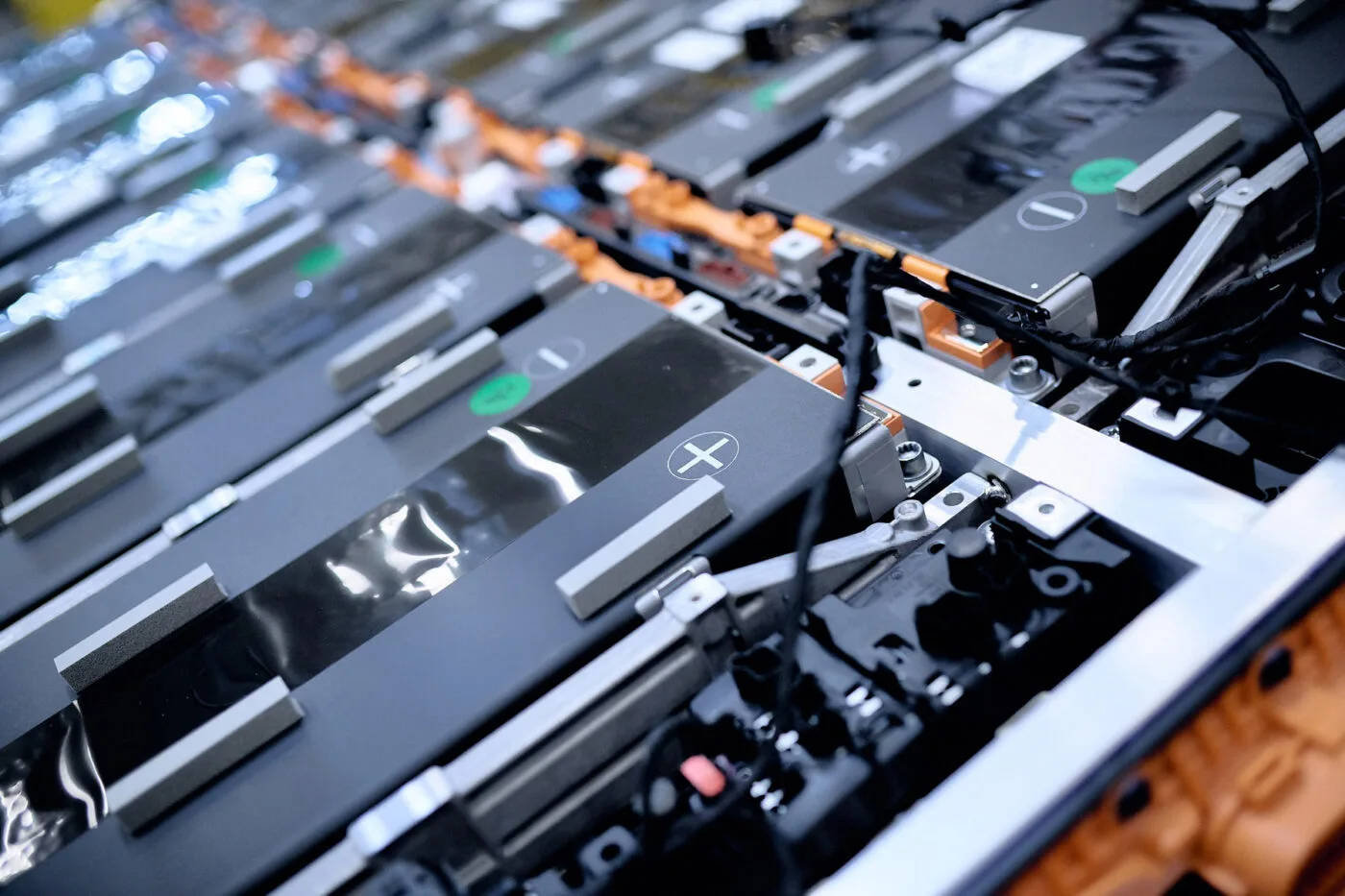
Ford’s decision to bring battery pack assembly in-house at its Cologne site marks a significant step in its electrification strategy. This move, part of a substantial $2 billion investment to modernize the plant, aims to streamline logistics, enhance quality control, and reduce transport emissions by integrating battery production directly with vehicle assembly. The facility, hailed as a “Factory of the Future,” now produces three distinct battery configurations—52 kWh, 77 kWh, and 79 kWh—for its MEB platform EVs. With 180 state-of-the-art robots and an assembly line combining approximately 2,775 individual parts per unit, the scale of this commitment underscores the automotive industry’s determined shift away from internal combustion engines.
From an oil demand perspective, such investments are undeniably a long-term headwind. Each electric vehicle sold directly displaces a combustion engine vehicle, gradually chipping away at gasoline and diesel consumption. This strategic pivot by a major global automaker like Ford reinforces the structural demand erosion that oil and gas investors must account for in their multi-year projections. However, the path to full electrification is far from smooth. Despite the significant investment and technological advancements, Ford’s Cologne plant has faced considerable challenges, including sales significantly below expectations for its electric models and broader market share losses for its combustion engine vehicles. This real-world friction suggests that while the direction of travel is clear, the pace of demand displacement for crude oil may be less aggressive or more uneven than some might predict, providing a crucial insight for long-term portfolio planning.
Current Market Dynamics and Investor Sentiment Amidst Transition
The long-term implications of electrification are always weighed against the immediate realities of global crude markets. As of today, Brent Crude trades at $90.38 per barrel, reflecting a significant daily decline of 9.07%, with WTI Crude similarly down 9.41% at $82.59. This recent volatility underscores the delicate balance between supply, geopolitical factors, and demand outlooks. Looking at the broader trend, Brent Crude has seen an 18.5% decline over the past 14 days, falling from $112.78 to $91.87. This sharp retraction, while influenced by multiple factors, highlights investor sensitivity to any signals of weakening demand or increased supply, even as the narrative of energy transition continues to evolve.
Investors are keenly observing these dynamics, with many asking what the price of oil per barrel will be by the end of 2026. While Ford’s electrification efforts contribute to the demand side of this equation over the long haul, the immediate price trajectory is often dominated by more cyclical and geopolitical forces. The struggles faced by Ford’s EV division, including job cuts and underperforming sales, temper the enthusiasm for rapid oil demand destruction. It indicates that the economic viability and consumer adoption of EVs are not linear, creating a more protracted transition period than some models suggest. For oil and gas companies, this means that while preparing for eventual demand erosion is prudent, the immediate future still presents opportunities driven by conventional market forces and ongoing global consumption.
Navigating Near-Term Catalysts: OPEC+ and Inventory Reports
While the long-term energy transition remains a strategic concern, oil prices are frequently moved by more immediate supply-side events and demand indicators. Over the next 14 days, investors should closely monitor a series of critical events that could introduce significant volatility. The upcoming OPEC+ Joint Ministerial Monitoring Committee (JMMC) meeting on April 18th, followed by the full Ministerial meeting on April 19th, will be paramount. Discussions around current production quotas and potential adjustments will directly impact global crude supply. Investors are actively seeking clarity on OPEC+’s stance, especially given recent price fluctuations, as their decisions often dictate short-term market direction.
Further influencing the market will be the weekly inventory data from the American Petroleum Institute (API) on April 21st and 28th, and the official EIA Weekly Petroleum Status Reports on April 22nd and 29th. These reports provide crucial insights into U.S. crude and product stockpiles, offering a real-time gauge of demand and supply balances in the world’s largest oil consumer. The Baker Hughes Rig Count on April 24th and May 1st will also provide signals regarding future production trends in the shale patch. For oil and gas investors, integrating these forward-looking events with the broader narrative of demand erosion from electrification is key. While Ford’s EV ramp-up points to future challenges, the immediate market remains highly reactive to these conventional supply-demand metrics, demanding tactical positioning and close attention to fundamental data.
Strategic Implications for Oil & Gas Portfolios
Ford’s substantial investment in its Cologne EV plant, alongside the operational challenges it faces, presents a nuanced picture for oil and gas investors. On one hand, the commitment of a major automaker to in-house battery production signals an undeniable long-term shift away from fossil fuels in transportation. This reinforces the need for oil and gas companies to continue adapting their strategies, whether through diversifying into lower-carbon energy solutions, focusing on high-return conventional assets, or optimizing operational efficiencies to remain competitive in a transitioning energy landscape. The move by Ford, while not immediately impacting millions of barrels of oil demand, adds another layer to the cumulative effect of global electrification efforts.
On the other hand, the difficulties Ford is encountering – from below-expectation EV sales to labor strikes over austerity measures – highlight that the energy transition is not a smooth, linear progression. The economic realities of manufacturing, consumer adoption rates, and technological hurdles mean that the pace of oil demand destruction from EVs may be slower and more uneven than widely projected. This implies that conventional oil and gas will likely remain a critical component of the global energy mix for longer than some aggressive transition scenarios suggest. Investors should therefore consider a balanced approach: acknowledging the long-term structural headwinds while also recognizing the continued relevance of traditional supply-demand fundamentals and the potential for persistent demand in the medium term. Portfolio construction should account for both the inevitable shift and the likely bumpy road ahead, focusing on resilient companies with strong balance sheets and adaptable strategies.