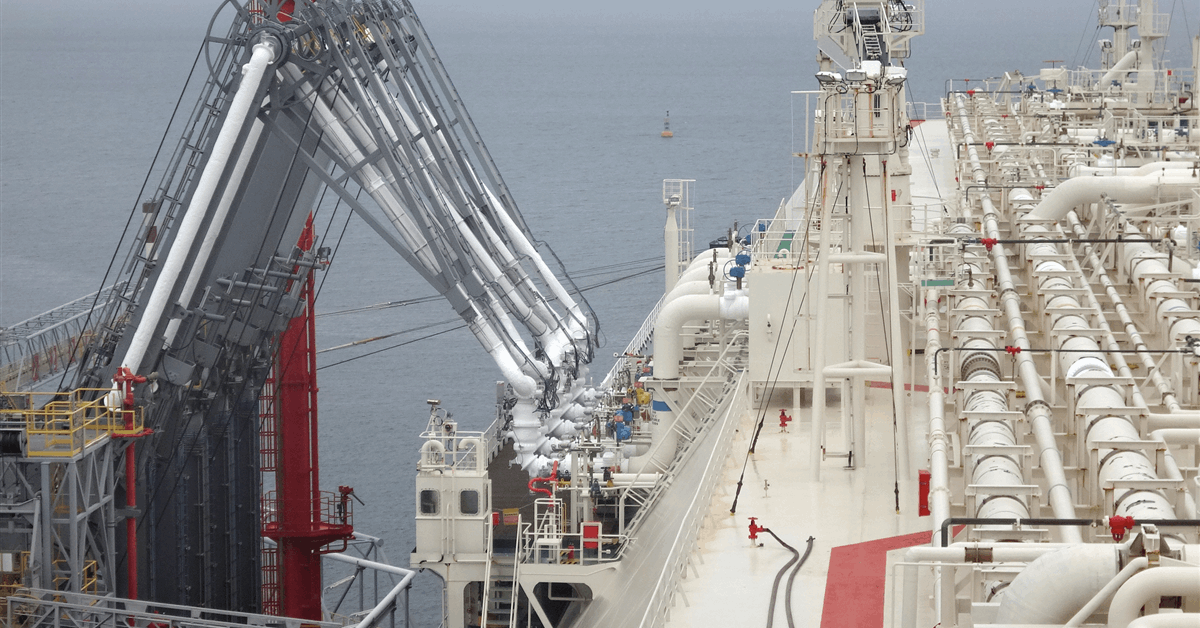
Fluor and JGC JV Spearheads LNG Canada Expansion Planning
A significant development for Canada’s burgeoning liquefied natural gas export ambitions has emerged with the joint venture between Fluor Corporation and JGC Corporation securing a crucial contract. This powerhouse engineering consortium has been awarded the mandate to update the front-end engineering and design (FEED) for the proposed Phase 2 expansion of the monumental LNG Canada facility. Strategically located on the traditional territory of the Haisla Nation in Kitimat, British Columbia, this project is poised to solidify Canada’s position as a vital player in global energy markets.
While specific financial terms of the contract remain undisclosed, Fluor confirmed that the value was recognized within the second quarter, signaling an immediate impact on their financial outlook. This FEED update represents a critical step in assessing the viability and scope of expanding one of the world’s most significant new LNG export terminals.
Doubling Capacity: The Vision for LNG Canada’s Future
The proposed Phase 2 expansion is designed to dramatically scale up the facility’s processing, storage, and shipping capabilities. Currently, the initial phase boasts an impressive annual production capacity of up to 14 million metric tons of liquefied natural gas (LNG) from two trains. Should the expansion proceed, LNG Canada anticipates adding two more trains, effectively doubling the plant’s total capacity to a formidable 28 million metric tons per annum. This substantial increase would significantly enhance Canada’s ability to supply global energy markets.
Despite this forward momentum in engineering and design, a final investment decision (FID) for Phase 2 has not yet been reached by LNG Canada and its five joint venture participants. Investors should closely monitor upcoming announcements, as an FID would unlock substantial capital expenditure and cement the project’s long-term growth trajectory.
Strategic Access to Global Markets and Energy Transition Leadership
The LNG Canada facility enjoys unparalleled strategic advantages, positioning it as a cornerstone of the global energy transition. Situated on Canada’s west coast, it offers direct access to abundant, low-cost natural gas resources from the vast Montney formation and benefits from an ice-free harbor, ensuring year-round shipping reliability to lucrative Asian markets. With a 40-year operating license, the plant is designed for long-term operational stability and revenue generation.
Beyond its economic merits, the project holds significant environmental credentials. By facilitating the replacement of higher-carbon energy sources like coal with cleaner-burning natural gas in importing nations, LNG Canada plays a direct role in reducing global greenhouse gas emissions. As Mike Alexander, Fluor’s Business Group President of Energy Solutions, emphasized, the project exemplifies a commitment to the energy transition by delivering a lower-carbon energy alternative to international markets.
A Proven Partnership: Fluor and JGC’s Track Record
The selection of the JGC-Fluor joint venture for the Phase 2 FEED update is a testament to their exceptional performance and deep expertise demonstrated during the initial phase of the project. Since 2018, this joint venture has been instrumental in delivering Phase 1, providing comprehensive engineering, procurement, fabrication management, construction, and commissioning services. Their integrated approach has been critical to the project’s success and timely execution.
A key innovation employed during Phase 1 was a modular fabrication strategy. This approach significantly enhanced schedule efficiencies by allowing simultaneous site preparation, early works, and construction activities to proceed concurrently with the off-site fabrication of modules. This method not only streamlined the construction timeline but also optimized resource deployment and minimized on-site complexities.
The scale of this modular effort was immense, with over 215 modules meticulously delivered and set into place at the Kitimat site between January 2022 and July 2023. Furthermore, the project included the construction of one of the world’s largest LNG storage tanks, an engineering marvel standing 184 feet (56 meters) high and 246 feet (75 meters) in diameter, boasting a staggering volume of over 7.9 million cubic feet (225,000 cubic meters). These achievements underscore the JV’s capability to execute mega-projects with precision and efficiency.
Canada’s Inaugural LNG Export and Future Outlook
The timing of this FEED contract award coincides with a historic moment for the Canadian energy sector. Just last week, LNG Canada successfully loaded its first cargo of LNG for export, officially marking Canada’s entry as a significant global exporter of liquefied natural gas. This milestone not only validates years of investment and effort but also signals the operational readiness and commercial viability of the facility.
For investors, this first export cargo is a powerful indicator of future revenue streams and the potential for a robust return on capital deployed in the Canadian LNG sector. The progression towards a potential Phase 2 expansion, which could double the nation’s export capacity, suggests a promising long-term growth trajectory for the companies involved and for Canada’s role in global energy security.
Understanding the Joint Venture Participants
The LNG Canada project is backed by a formidable consortium of global energy giants, each holding a significant stake. Investors should note the following ownership structure:
- Shell Canada Energy, a subsidiary of Shell, holds the largest share with a 40 percent stake.
- Malaysia’s state-owned Petroliam Nasional Bhd (Petronas), through its entity North Montney LNG Limited Partnership, commands a 25 percent interest.
- PetroChina Canada maintains a 15 percent stake in the venture.
- Mitsubishi Corporation, via Diamond LNG Canada Ltd., also holds a 15 percent share.
- Korea Gas Corporation (Kogas), through Kogas Canada LNG Ltd., completes the partnership with a 5 percent stake.
This diversified ownership group, comprising major international oil companies and national energy entities, provides a robust financial and strategic foundation for the LNG Canada project, enhancing its resilience and market reach. The continued investment in planning for a Phase 2 expansion underscores the confidence these leading energy players have in the long-term demand for Canadian LNG and the project’s profitability.


