Fusion Energy Takes Concrete Step Towards Commercialization: A Long-Term View for Oil & Gas Investors
The global energy landscape, long dominated by traditional hydrocarbons, is witnessing a nascent but significant shift with the official commencement of construction on Helion’s Orion fusion power plant in Chelan County, Washington. This pivotal development signals a tangible progression in the race for commercial fusion energy, a breakthrough that, while still decades from widespread impact, warrants close scrutiny from investors across the entire energy spectrum, including the oil and gas sector.
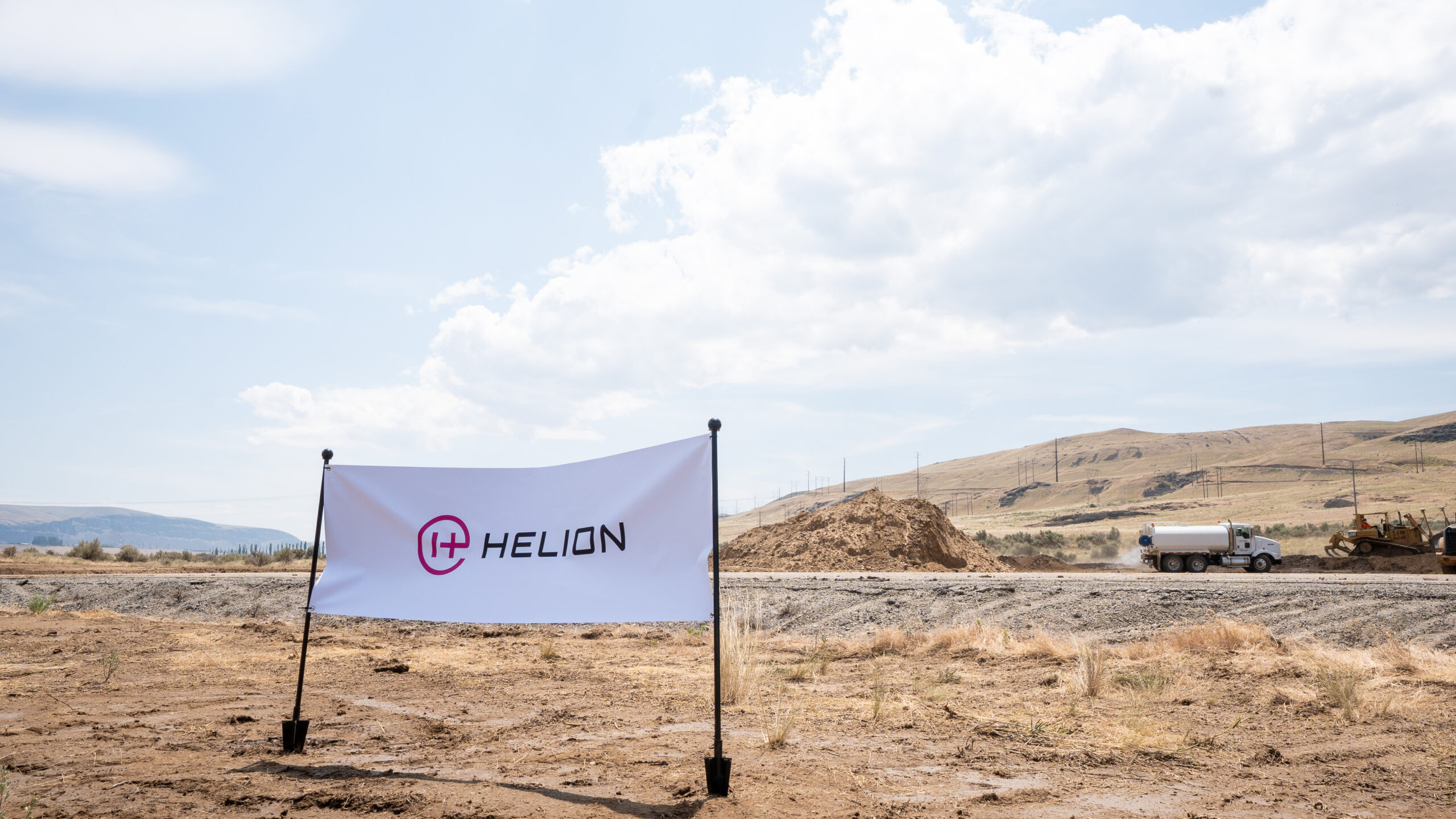
Helion, a pioneering force in fusion technology, is now physically breaking ground on the site of its first commercial-scale plant. This initiative is directly tied to a landmark agreement forged in 2023: the commitment to supply electricity to Microsoft by 2028. This constitutes the world’s inaugural power purchase agreement (PPA) for fusion energy, underscoring the serious intent behind this ambitious project. Further solidifying its commercial framework, Constellation Energy will serve as the power marketer, integrating this novel energy source into existing grids.
Charting a New Course: Helion’s Orion Project and Its Strategic Implications
The selection of Chelan County, Washington, for the Orion plant is a strategic decision, leveraging the region’s robust energy infrastructure and established transmission line access. Helion’s co-founder and CEO, David Kirtley, articulated the profound significance of this moment, declaring it a “new era of energy independence and industrial renewal.” Kirtley emphasized the company’s unwavering focus on preparing fusion technology for market entry and ultimately delivering power to the grid, a vision now visibly progressing with site work underway.
Microsoft’s involvement, spearheaded by Melanie Nakagawa, CSO & CVP Energy, Connectivity, and Sustainability, highlights the increasing appetite among major corporations for innovative clean energy solutions. Nakagawa described fusion as an “inspiring frontier” in the global pursuit of abundant, emissions-free power. While acknowledging that the journey to widespread commercial fusion remains complex, Microsoft’s commitment to supporting Helion’s efforts in Washington state aligns with its broader strategy of investing in sustainable energy alternatives.
The plant’s location in Malaga, Washington, on land secured through a lease from the Chelan County Public Utilities District, further illustrates the pragmatic approach being taken. Regulatory navigation has seen the project advance under a Mitigated Determination of Non-Significance (MDNS) issued through Washington’s State Environmental Policy Act (SEPA) review process. Since 2023, Helion has diligently engaged with local and state government agencies, Tribal Nations, and the public, meticulously addressing the intricate siting and permitting requirements. The company anticipates continued collaboration through the remaining regulatory phases necessary to bring what could become the world’s first commercial fusion power plant online.
The Long-Term Outlook: Fusion’s Potential Impact on Hydrocarbon Markets
For investors deeply entrenched in the oil and gas sector, the emergence of commercial fusion energy, however distant its widespread deployment, presents a compelling long-term strategic consideration. While current global energy demand continues to heavily rely on fossil fuels for transportation, industrial processes, and a significant portion of power generation, advancements in fusion technology introduce a credible, albeit high-risk, disruptor to the future energy mix.
The successful scaling of fusion could fundamentally alter the economics and geopolitics of energy. A virtually limitless, clean energy source would diminish reliance on finite fossil fuel reserves, potentially mitigating price volatility driven by geopolitical tensions and supply-demand imbalances. This could gradually erode the dominance of natural gas in base-load power generation, especially in regions committed to aggressive decarbonization targets. However, the timeline for such a systemic shift is measured in decades, providing ample opportunity for incumbent energy companies to adapt and diversify their portfolios.
The oil and gas industry has historically demonstrated remarkable resilience and adaptability. Companies are increasingly investing in carbon capture, utilization, and storage (CCUS) technologies, hydrogen production, and renewable energy ventures. The advent of fusion, if successful, would accelerate the energy transition, pushing traditional energy producers to further evolve their business models towards lower-carbon solutions and energy services.
Investment Considerations: Risk, Reward, and Strategic Positioning
Investing in fusion energy today carries a high degree of technological and commercial risk, with significant capital expenditure required and no guaranteed timeline for scalable profitability. However, early-stage commitments from entities like Microsoft and the involvement of established energy marketers such as Constellation Energy lend credibility and signal a growing confidence in the long-term viability of the technology.
For diversified energy investors, fusion represents an intriguing, albeit speculative, play in the clean energy transition. It offers the promise of dispatchable, baseload power without the intermittency challenges of renewables like solar and wind, or the long-lived radioactive waste concerns associated with nuclear fission. This unique combination of attributes positions fusion as a potentially transformative technology capable of supporting a truly net-zero global economy.
While the immediate impact on global oil and gas demand remains negligible, the long-term strategic implications are profound. Hydrocarbon producers and refiners must monitor these developments closely, integrating potential future energy scenarios into their long-range planning. This includes evaluating opportunities in new energy vectors, such as synthetic fuels produced with clean electricity, or leveraging existing infrastructure for carbon management and hydrogen transport.
Regulatory Frameworks and Future Growth
Helion’s diligent navigation of Washington’s State Environmental Policy Act (SEPA) review process and its ongoing engagement with diverse stakeholders, including Tribal Nations, sets an important precedent for future fusion projects. The successful permitting and construction of Orion will provide invaluable lessons for the regulatory frameworks that will ultimately govern a widespread fusion industry. This structured approach to development, combining technological innovation with rigorous environmental and community engagement, is critical for building public trust and accelerating deployment.
In conclusion, Helion’s groundbreaking work on the Orion fusion power plant represents a significant stride in the quest for commercial fusion energy. While the path to widespread deployment remains challenging and lengthy, this milestone underscores fusion’s potential as a future cornerstone of global power generation. For investors in the oil and gas sector, it serves as a powerful reminder of the dynamic nature of the energy market and the imperative to continuously assess long-term trends, technological advancements, and strategic diversification opportunities to navigate an evolving energy landscape.


