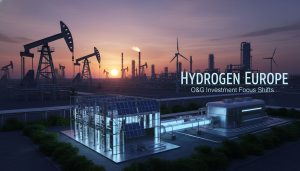
The global energy landscape is undergoing a profound transformation, marked by both the immediate volatility of traditional fossil fuel markets and the strategic, long-term build-out of new energy infrastructure. Amidst this dynamic environment, the official designation of Finland’s entire west coast as the BotH₂nia Hydrogen Valley by the EU’s Clean Hydrogen Partnership represents a pivotal development for investors tracking the energy transition. This expansive region, encompassing NUTS3 areas from Southwest Finland to Sea Lapland, is rapidly emerging as a critical hub for clean hydrogen and e-fuel production, driven by abundant renewable electricity and a robust industrial ecosystem. For discerning investors, BotH₂nia offers a compelling case for diversification and a glimpse into the future of European energy independence, particularly as traditional energy markets signal ongoing turbulence.
Market Volatility Underscores Hydrogen’s Strategic Value
The imperative for energy diversification has rarely been clearer than in today’s commodity markets. As of today, Brent crude trades at $90.38 per barrel, marking a sharp 9.07% decline within the day, with a range spanning from $86.08 to $98.97. Similarly, WTI crude has fallen to $82.59, down 9.41% on the day, moving between $78.97 and $90.34. This significant daily sell-off follows a broader trend; Brent crude has shed $22.4, or nearly 20%, from its $112.78 high just two weeks ago on March 30th. Such pronounced volatility in crude prices, coupled with a 5.18% drop in gasoline prices to $2.93, highlights the inherent risks and geopolitical sensitivities tied to fossil fuel investments. Against this backdrop, the BotH₂nia Hydrogen Valley stands out as a beacon of stability and strategic long-term growth. Its foundation on domestic, renewable electricity sources offers a compelling counter-narrative to the unpredictable swings of global oil markets, providing a more resilient investment thesis focused on energy security and decarbonization.
Upcoming Energy Events and Long-Term Horizon
While the immediate focus for many investors remains on upcoming short-term market drivers, the strategic implications of projects like BotH₂nia extend far beyond daily price fluctuations. In the coming days, the energy calendar is packed with events that will shape the near-term outlook for traditional oil and gas. This Sunday, April 19th, marks the OPEC+ JMMC Meeting, followed by the crucial OPEC+ Ministerial Meeting on Monday, April 20th. These gatherings will provide critical insights into future production quotas, directly impacting global crude supply. Further data points, such as the API Weekly Crude Inventory on April 21st and the EIA Weekly Petroleum Status Report on April 22nd, will offer granular detail on current supply-demand dynamics. However, these short-cycle events, while important for tactical trading, should be viewed in context of the longer-term energy transition. The €3 billion in projected investments by 2030 into the BotH₂nia Hydrogen Valley, aimed at producing nearly 300,000 metric tonnes of clean hydrogen annually, represents a structural shift that will incrementally reduce reliance on fossil fuels, regardless of OPEC+’s immediate decisions. Investors must balance the tactical plays around these upcoming events with a strategic allocation to the foundational shifts occurring in regions like Finland’s west coast.
Addressing Investor Concerns: The Future of Energy Demand
Our proprietary reader intent data reveals a clear focus among investors on the long-term trajectory of crude oil. A common question our AI assistant receives is, “What do you predict the price of oil per barrel will be by end of 2026?” This reflects a fundamental concern about future energy demand and the sustainability of current oil price levels. While OPEC+ production quotas are a key supply-side factor, projects like the BotH₂nia Hydrogen Valley are actively shaping the demand side of the energy equation for the coming decades. By establishing a robust clean hydrogen and e-fuel economy, BotH₂nia directly contributes to the decarbonization of hard-to-abate sectors, potentially displacing significant volumes of fossil fuels over time. The region’s ambition to produce 300,000 metric tonnes of clean hydrogen annually by 2030, primarily through electrolysis powered by renewable energy, signifies a tangible step towards reducing industrial and transportation sector reliance on oil and gas. Investors looking to hedge against long-term fossil fuel demand erosion, or capitalize on new energy growth, should closely monitor the execution and scaling of such hydrogen valleys, as their success will be a critical determinant in the global energy mix and, by extension, future oil price scenarios.
BotH₂nia’s Strategic Advantages and Innovation Ecosystem
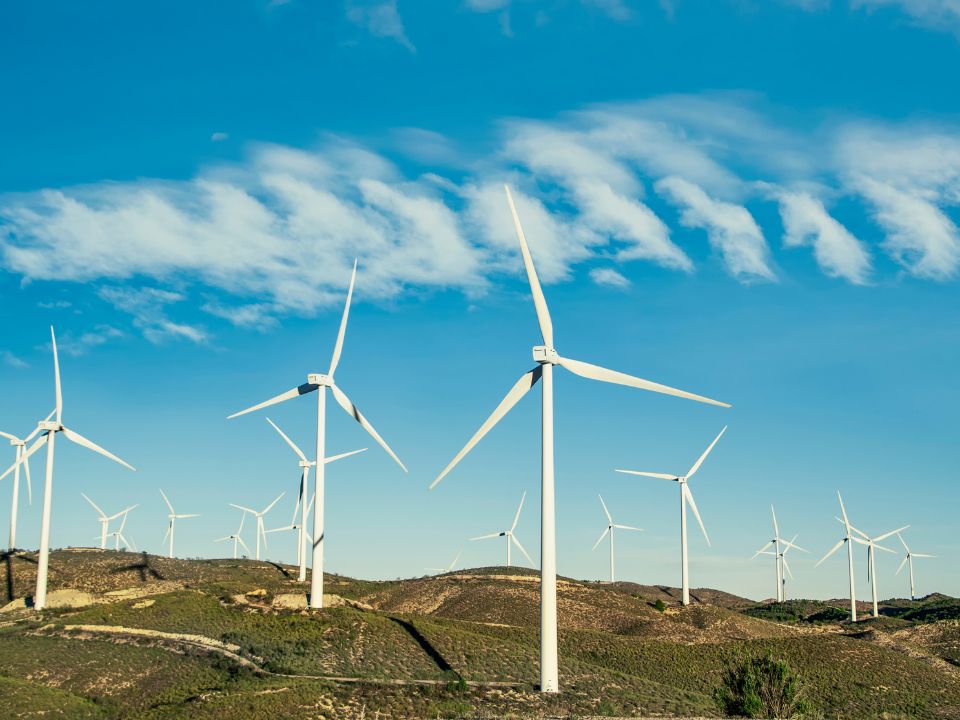
The designation of BotH₂nia as a hydrogen valley is not merely a symbolic gesture; it acknowledges a region with unparalleled strategic advantages for clean hydrogen production. Finland’s west coast currently generates over two-thirds of the nation’s wind power, a crucial asset that translates into some of the lowest electricity prices in Europe. This cost advantage is fundamental to producing competitive green hydrogen via electrolysis. Beyond cheap power, the valley boasts a dynamic and mature innovation ecosystem. With 17 distinct hydrogen value chains already identified, the region is attracting substantial investment from global industrial leaders such as ABB, Danfoss, Hitachi Energy, and Wärtsilä. These companies, alongside a vibrant network of smaller tech firms and start-ups, are collectively pouring €350 million annually into research and development. This concentrated R&D effort is not just fostering innovation but is actively driving the scalability and efficiency required to make clean hydrogen a mainstream energy carrier. For investors, this signifies a region with robust industrial backing, a proven track record of innovation, and the foundational resources necessary to achieve its ambitious production and investment targets, positioning it as a cornerstone of Europe’s sustainable energy future.