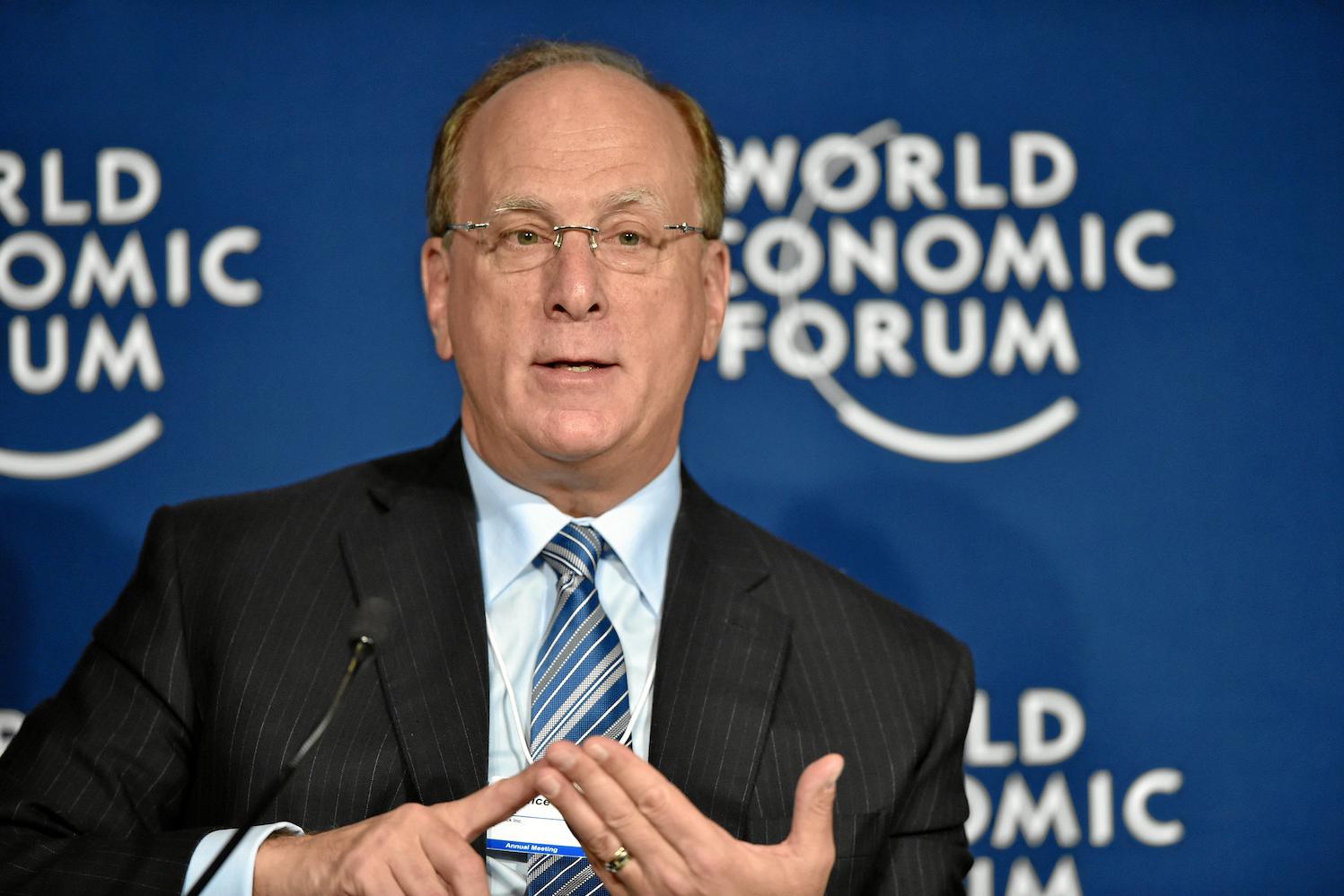
The recent appointment of BlackRock CEO Larry Fink as interim co-chair of the World Economic Forum (WEF) signals a critical inflection point for global finance and, more specifically, for the oil and gas sector. Fink’s renowned advocacy for environmental, social, and governance (ESG) investing is poised to amplify the already significant pressure on energy companies, demanding a proactive re-evaluation of strategies for both capital allocation and operational resilience. For oil and gas investors, this isn’t just a governance change at a high-profile forum; it’s a clear indicator of the intensifying scrutiny and evolving expectations that will shape valuations and investment flows in the coming years.
Fink’s WEF Leadership: A Renewed ESG Imperative for O&G
Larry Fink’s elevation to a leadership role at the WEF, alongside Roche vice chairman André Hoffmann, fundamentally reinforces the Forum’s commitment to themes deeply embedded in BlackRock’s investment philosophy, particularly ESG and climate-focused finance. Having managed trillions in assets globally, BlackRock under Fink has consistently championed sustainability as a core driver of long-term value. His presence at the WEF’s helm, even on an interim basis, is a potent signal to the oil and gas industry that the push for decarbonization, transparent climate reporting, and robust governance will only intensify. This will likely translate into increased demands from institutional investors for clearer transition plans, reduced emissions targets, and more rigorous disclosure practices, potentially impacting the cost of capital and access to funding for companies perceived as laggards.
Navigating Market Volatility Amidst Shifting Investment Landscapes
The implications of this intensified ESG focus unfold against a backdrop of inherent market volatility within the energy sector. As of today, Brent crude trades at $90.38 per barrel, marking a significant intraday decline of 9.07%, while WTI crude similarly saw a dip of 9.41% to $82.59. This current dip comes after a challenging fortnight for crude, with Brent having shed $20.91, or 18.5%, since late March when it stood at $112.78. Such price swings underscore the dynamic nature of commodity markets, influenced by geopolitical events, supply-demand fundamentals, and broader economic sentiment. However, what Fink’s appointment highlights is that even amidst these daily and weekly fluctuations, the long-term investment narrative for oil and gas is increasingly intertwined with ESG performance. Companies that can demonstrate a clear, actionable strategy for energy transition and emissions reduction will likely find themselves better positioned to weather price volatility and attract capital, while those that do not may face growing investor skepticism and divestment pressure.
Forward Outlook: Upcoming Events and Investor Concerns
The intersection of evolving ESG pressures and market fundamentals will be critically tested by several upcoming energy events. Investors are keenly watching the OPEC+ meetings, with the Joint Ministerial Monitoring Committee (JMMC) scheduled for April 18th and the full Ministerial meeting on April 19th. These gatherings are pivotal for determining future production quotas and market stability. Simultaneously, weekly data releases such as the API Crude Inventory (April 21st, April 28th) and the EIA Petroleum Status Report (April 22nd, April 29th) will provide critical insights into short-term supply and demand dynamics. The Baker Hughes Rig Count on April 24th and May 1st will further illuminate drilling activity and future production potential.
Our proprietary reader intent data reveals a keen focus on future oil prices, with investors frequently asking “what do you predict the price of oil per barrel will be by end of 2026?” and “What are OPEC+ current production quotas?” These questions underscore a desire to understand both immediate market direction and longer-term trends. Fink’s influence adds another layer of complexity: while OPEC+ decisions and inventory data drive short-term price, the long-term trajectory for demand and investment in fossil fuels will increasingly be shaped by the very ESG agenda Fink champions. Investors are also scrutinizing individual company performance, naturally wondering how major players like Repsol will navigate this evolving landscape through 2026, highlighting the need for O&G firms to demonstrate robust, forward-looking ESG strategies to maintain investor confidence and capital access.
Strategic Implications for Oil and Gas Investors
For oil and gas investors, Fink’s role at the WEF is a clear signal that the era of viewing ESG as a peripheral concern is definitively over. It is now a core determinant of long-term value and risk. Companies that embrace this reality by investing in low-carbon technologies, improving operational efficiency, enhancing emissions capture, and diversifying their energy portfolios will likely be rewarded. Conversely, those that resist or fail to articulate credible transition plans may face increasing capital constraints, higher borrowing costs, and potential shareholder activism. The WEF’s renewed focus on strengthening governance also suggests heightened expectations for corporate transparency and accountability, particularly around climate-related disclosures. Investors should prioritize companies demonstrating strong governance frameworks and a clear strategy for navigating the energy transition, ensuring their portfolios are resilient to both market volatility and the escalating demands of the ESG imperative.


