ExxonMobil’s Strategic Play: Leveraging Operational Excellence for Future Growth
ExxonMobil is actively recalibrating its global strategy, asserting its operational prowess as a key differentiator in the competitive race for new energy resources. The supermajor is betting that its demonstrated capacity to execute large-scale projects with unparalleled speed and efficiency, particularly exemplified by its transformative success in Guyana, will grant it a significant advantage in negotiating future fiscal terms with resource-rich nations. This approach marks a clear, unwavering commitment to hydrocarbon development, positioning ExxonMobil to capitalize on what it sees as enduring global energy demand.
The Guyana Blueprint: A Model for Accelerated Development
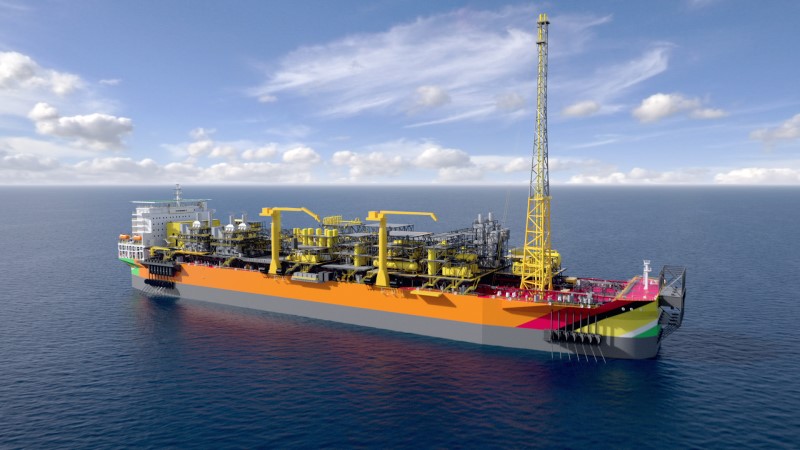
At the heart of ExxonMobil’s revised strategy lies the remarkable achievement in Guyana. The company has showcased an ability to bring massive oil projects online faster and more cost-effectively than its peers, a “unique value proposition” that CEO Darren Woods emphasizes delivers greater value for both resource owners and the company itself. From a standing start just over six years ago, Guyana’s oil production has surged to nearly 1 million barrels per day, fundamentally reshaping the nation’s economic landscape. This rapid ramp-up serves as a powerful case study, demonstrating ExxonMobil’s capacity to convert discoveries into revenue streams at an expedited pace. The company’s operational excellence, particularly in complex deepwater environments, has not only transformed Guyana into one of the world’s fastest-growing economies but has also become a compelling argument for other nations seeking to develop their own reserves efficiently and profitably. This proven track record is now a cornerstone of ExxonMobil’s global engagement strategy, aiming to secure favorable terms by promising swift and successful project delivery.
Navigating Market Volatility with Long-Term Conviction
ExxonMobil’s confident stance on long-term oil and gas development comes amidst a dynamic and often volatile market environment. As of today, Brent crude trades robustly at $93.86 per barrel, marking a significant 3.79% increase within the day, while WTI crude follows suit at $90.22, up 3.2%. This daily rebound provides some relief after a challenging fortnight where Brent had declined from $118.35 on March 31st to $94.86 by April 20th, representing a near 20% drawdown. Such fluctuations naturally lead investors to question the immediate direction of prices, with many on OilMarketCap.com keenly focused on whether WTI is poised for further gains or declines in the short term. However, ExxonMobil’s strategy transcends these daily swings, underpinned by an unwavering belief in sustained demand for hydrocarbons. Unlike some competitors who explored lower-carbon ventures before pivoting back to fossil fuels, ExxonMobil maintained its focus, betting that its consistent commitment and superior project execution will yield long-term advantages, securing critical resources even as market sentiment oscillates. This steadfastness aims to reassure investors that the company’s growth trajectory is insulated from short-term market noise.
The Global Resource Race and Upcoming Market Catalysts
The energy industry is currently embroiled in a global race to secure new resources, driven by an evolving investor focus that increasingly prioritizes the longevity of oil and gas reserves over immediate climate transition risks. Companies like Chevron, Shell, and BP are actively reviving exploration efforts and pivoting back towards fossil fuels, validating ExxonMobil’s long-standing conviction. In this competitive landscape, ExxonMobil’s proven ability to deliver complex projects on time and within budget is a critical competitive edge. Looking ahead, several key market events could influence the broader oil price environment and, by extension, the strategic value of ExxonMobil’s resource acquisitions. The upcoming OPEC+ Joint Ministerial Monitoring Committee (JMMC) meeting on April 21st is particularly critical, as any decisions on production levels will directly impact global supply and pricing. Further insights into market dynamics will come from the EIA Weekly Petroleum Status Reports on April 22nd and April 29th, and the Baker Hughes Rig Counts on April 24th and May 1st, which provide crucial supply-side indicators. These events underscore the urgency for companies like ExxonMobil to secure future production, positioning themselves strategically ahead of potential shifts in supply-demand balances that these releases could foreshadow.
Securing Social License: Investing in Long-Term Value
While Guyana’s economic boom is undeniable, transforming the nation and creating a $3 billion sovereign wealth fund, it has also brought challenges, including concerns about inflation, environmental liabilities, and the equitable distribution of wealth. ExxonMobil acknowledges these complexities, recognizing that a “social license to operate” is paramount for sustainable, long-term project success. To this end, the company has committed $100 million over the next decade to bolster Guyana’s education system, specifically targeting science, technology, engineering, and mathematics (STEM) skills among high-schoolers. This initiative, which includes building STEM workshops across the country’s ten regions for after-school programs, primarily benefiting low-income students, serves a dual purpose. It addresses immediate social concerns by investing in human capital development and mitigates long-term operational risks by fostering a more skilled local workforce and stronger community relations. For investors keenly watching long-term oil price predictions, such as the common inquiry about the price of oil per barrel by the end of 2026, these social investments are crucial. They de-risk future projects and solidify ExxonMobil’s position as a reliable, long-term partner, ensuring that its operational excellence is matched by a commitment to the host nations it operates within, ultimately underpinning the enduring value of its resource portfolio.