Middle East Conflict Slashes ExxonMobil Output, Reshaping Energy Investment Landscape
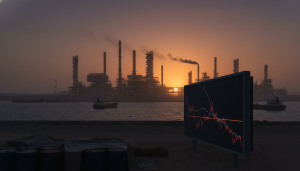
ExxonMobil, a titan in the global energy sector, faced a significant operational setback in the first quarter, reporting a 6% reduction in its worldwide hydrocarbon output. This material decline stems directly from the ongoing conflict in Iran, which has severely disrupted critical oil and natural gas operations across the strategically vital Persian Gulf region. For investors tracking the volatility inherent in energy markets, this development underscores the profound and immediate risks geopolitical instability poses to even the largest supermajors.
Production Downturn Tied to Qatari LNG Complex Damage
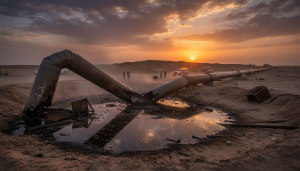
A substantial portion of these production curtailments, approximately half, originated from a key liquefied natural gas (LNG) complex situated in Qatar, an asset where ExxonMobil holds a strategic partnership interest. The company confirmed that two integral LNG production lines, commonly referred to as ‘trains,’ sustained direct damage from Iranian missile strikes. ExxonMobil’s preliminary assessment indicates that these facilities will require an extensive duration for repairs, though a precise timeline remains elusive pending comprehensive on-site evaluations. This situation highlights the vulnerability of major energy infrastructure to regional hostilities, creating uncertainty for future LNG supply and pricing, and placing pressure on global gas markets. Under normal operating conditions, the Persian Gulf typically accounts for roughly one-fifth of ExxonMobil’s overall global output, underscoring the severity of these disruptions to a critical operational hub.
Financial Implications and Market Reaction for Oil and Gas Investors
The operational disruptions are already translating into significant financial consequences. ExxonMobil has signaled that its first-quarter earnings from the energy-products division, encompassing its vast refining and trading operations, are projected to be approximately $3.7 billion lower than the robust performance observed in the final quarter of 2025. This downturn is attributed primarily to pronounced price volatility and the specific timing of cargo movements. Reflecting investor apprehension, ExxonMobil’s shares saw a 6.1% decline in pre-market trading in New York, a movement that occurred as broader energy sector stocks experienced a dip following the announcement of a two-week ceasefire by US President Donald Trump. The ripple effect of the conflict is evident across the industry, with European peer Shell Plc also reporting reduced natural gas production for the quarter due to the same regional tensions. Notably, Qatar has independently estimated that the damaged LNG facility alone could face an annual revenue shortfall of approximately $20 billion and potentially require up to five years for full restoration.
ExxonMobil’s Outlook and Strategic Resilience
Despite the immediate headwinds, Chief Financial Officer Neil Hansen offered a reassuring perspective on the financial adjustments. He emphasized that these impacts, largely stemming from timing effects, are expected to “unwind over time,” ultimately leading to a “net positive profit” as the underlying transactions conclude. Hansen characterized these as “sound trades” destined to yield “material profitability.” Furthermore, excluding these timing-related influences, the company noted that its per-share earnings were indeed higher compared to the preceding quarter, suggesting underlying operational strength outside the direct conflict zone. This reinforces the company’s message to investors about the transient nature of some reported profit fluctuations. CEO Darren Woods has, over the past three years, aggressively championed a growth strategy, successfully boosting the company’s output by over 30% to nearly 5 million barrels of oil equivalent per day, primarily through strategic acquisitions and significant capital projects, demonstrating a steadfast commitment to long-term production expansion and an enhanced global footprint for energy production.
Broader Energy Market Concerns and Geopolitical Realities
Energy sector leaders have consistently cautioned that financial markets might be underestimating the profound and enduring ramifications of the Middle East conflict on global energy supplies. This sentiment is echoed by leading financial institutions. Strategists at JPMorgan Chase & Co., in a recent April 6 analysis, articulated that the war has fundamentally “upended the perception of the Gulf as a safe and investable hub.” Their assessment projects “severe near-term growth hits” for nations like Qatar and Kuwait, with the broader region likely experiencing “longer-term damage” concerning crucial foreign direct investment. Such expert analysis provides a critical lens for oil and gas investors evaluating regional risk premiums, supply chain vulnerabilities, and future capital allocation within the global energy landscape.
Navigating Volatility: ExxonMobil’s Path Forward for Investors
Amidst these challenges, ExxonMobil does anticipate some compensatory gains in the first quarter. The company expects to see approximately $2.1 billion in gains from higher crude oil prices and an additional $400 million from elevated natural gas prices, partially mitigating the production and timing-related setbacks. With its complete quarterly results slated for release on May 1, investors will scrutinize the detailed report for further insights into the financial resilience and strategic adjustments in response to the volatile geopolitical landscape. While the conflict has undoubtedly introduced unforeseen complexities and risks to oil and gas investment in the Persian Gulf, ExxonMobil’s diverse global portfolio and management’s forward-looking statements aim to reassure stakeholders of its capacity to navigate and eventually thrive amidst these dynamic market conditions, solidifying its position as a key player in the energy sector’s future. The ongoing situation in the Middle East will remain a critical factor for all energy investors to monitor closely.