The global energy transition, often painted with broad strokes of rapid decarbonization, is proving to be a far more complex and costly endeavor than many initially envisioned. This week, ExxonMobil’s latest Global Energy Outlook delivered a stark reminder of these realities, projecting that net-zero aspirations for the global energy sector will likely stretch well beyond the 2050 horizon. The primary drivers? Persistent consumer resistance to escalating energy costs and a significant resurgence in demand for coal, the most carbon-intensive fossil fuel. For investors navigating this dynamic landscape, Exxon’s outlook offers a crucial recalibration, challenging optimistic timelines and underscoring the enduring role of traditional energy sources in the coming decades.
The Evolving Decarbonization Narrative and Investor Sentiment
Exxon’s revised forecast paints a picture of global emissions falling by only a quarter by 2050, dramatically short of the two-thirds reduction deemed necessary by the Intergovernmental Panel on Climate Change. This mid-century emissions projection is nearly 4% higher than the oil major’s previous assessment, a notable shift attributed to the increased reliance on coal to stabilize power grids amid intermittent renewable generation, alongside a deceleration in electric vehicle adoption rates in key markets like the U.S. and Europe. As Chris Birdsall, Exxon’s director of economic, energy and strategy planning, articulated, pushing expensive energy sources too quickly inevitably triggers consumer backlash, leading to political shifts that can impede climate progress. This perspective resonates with the questions our readers are actively exploring, such as “What do you predict the price of oil per barrel will be by end of 2026?” and inquiries about specific company performance like “How well do you think Repsol will end in April 2026?” These questions highlight an investment community keenly focused on the tangible, near-term impacts of broader energy trends, seeking clarity amidst the often-conflicting narratives of energy transition and energy security. Exxon’s analysis suggests that the foundational demand for conventional fuels, driven by economic realities and consumer choice, will continue to shape market dynamics and company valuations for the foreseeable future.
Coal’s Resurgence and Natural Gas’s Enduring Role
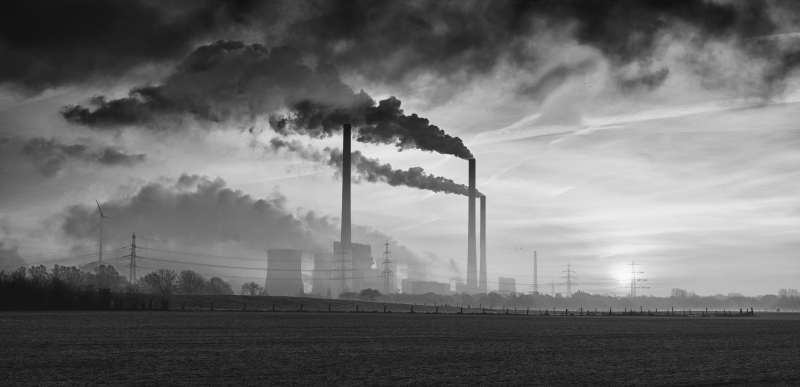
Perhaps the most striking revision in Exxon’s outlook concerns coal consumption. Despite widespread commitments to phase out the fuel, global coal consumption reached a record 8.8 billion tons in 2024, according to the International Energy Agency. Exxon anticipates that coal will still account for 14% of the global energy mix by 2050, largely due to its indispensable role in providing reliable baseload power when solar and wind generation falters. This “sinking power generation efficiency” as coal plants cycle to balance renewables underscores a critical challenge in the energy transition. Concurrently, Exxon has also upgraded its forecast for natural gas demand, projecting an increase of more than 20% by mid-century. This robust growth is primarily fueled by rising global power consumption, positioning natural gas as a vital bridge fuel and a significant investment area, particularly in LNG infrastructure and production. Even as the world grapples with decarbonization goals, the imperative for energy reliability and affordability is driving sustained demand for these conventional fuels, keeping oil demand above 100 million barrels a day through 2050 after peaking around 2030, a figure that continues to support the long-term viability of the sector.
Navigating Current Market Volatility and Upcoming Catalysts
While long-term outlooks provide strategic direction, immediate market movements demand tactical awareness. As of today, Brent Crude trades at $90.38, reflecting a notable decline of 9.07% within the day, with its range spanning $86.08 to $98.97. WTI Crude mirrors this sentiment, currently at $82.59, down 9.41% over the same period. This sharp intraday correction follows a significant trend, with Brent having shed $20.91, or 18.5%, from $112.78 on March 30th to $91.87 just yesterday. Gasoline prices are also feeling the pressure, trading at $2.93, down 5.18%. This volatility underscores the ongoing interplay of supply, demand, and geopolitical factors, even as long-term energy narratives evolve. Investors are keenly watching for immediate catalysts that could influence these prices. The upcoming OPEC+ Joint Ministerial Monitoring Committee (JMMC) and full Ministerial meetings on April 18th and 19th, respectively, will be critical. Our readers, for instance, are actively asking about “OPEC+ current production quotas,” highlighting the market’s focus on potential supply adjustments in response to recent price dips. Following these, the API and EIA Weekly Crude Inventory reports on April 21st/22nd and April 28th/29th will offer fresh insights into U.S. inventory levels and demand trends, while the Baker Hughes Rig Count on April 24th and May 1st will provide a snapshot of drilling activity. These events will offer crucial data points for investors trying to reconcile Exxon’s long-term outlook with short-term market dynamics.
Investment Implications: Beyond the Net-Zero Hype
ExxonMobil’s latest energy outlook reinforces a pragmatic view for oil and gas investors: the energy transition is not a linear, rapid shift away from fossil fuels, but rather a protracted and often turbulent evolution. The persistent reliance on coal and the projected growth in natural gas demand highlight the continued need for diversified energy portfolios. For investors, this means re-evaluating the perceived risks and opportunities in traditional energy companies. Companies with strong balance sheets, efficient operations, and strategic investments in natural gas, particularly LNG, are well-positioned to capitalize on enduring global energy needs. Furthermore, the political and economic pushback against rapid decarbonization, as cited by Exxon, suggests that regulatory environments may become less aggressive in certain regions, potentially alleviating some pressures on fossil fuel producers. The sustained demand for oil above 100 million barrels per day through 2050, coupled with the critical role of conventional fuels in ensuring grid stability and energy security, presents a compelling case for strategic allocation to the oil and gas sector. As the market continues to grapple with the complexities of energy transition, a nuanced understanding of these underlying drivers, supported by robust data and forward-looking analysis, will be paramount for securing alpha in evolving energy portfolios.