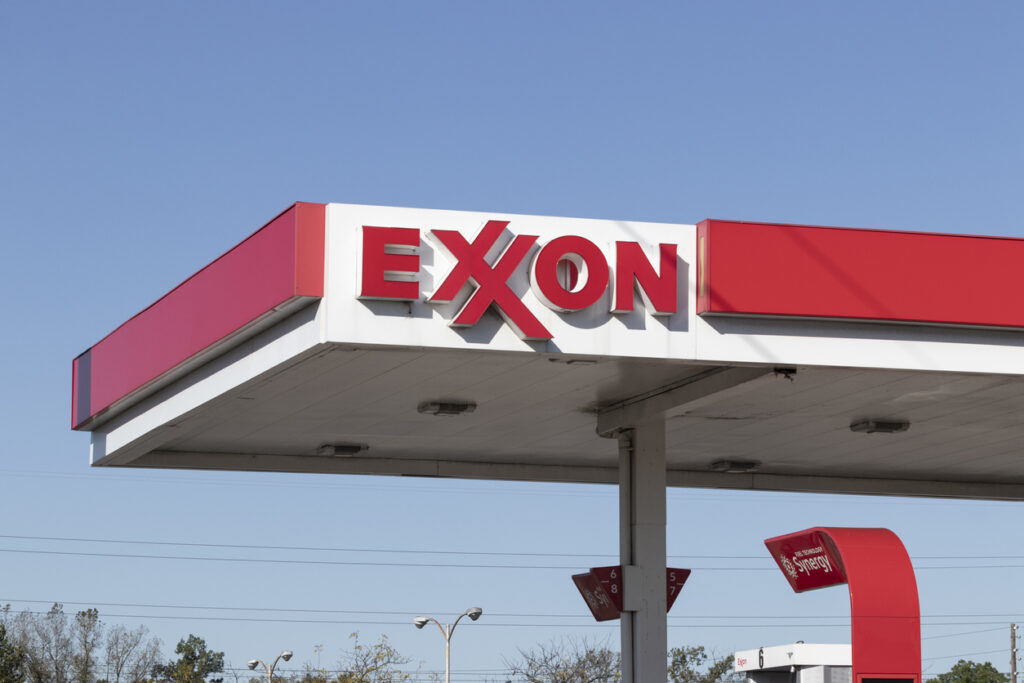
In a significant move reshaping the European downstream energy landscape, global energy titan ExxonMobil has entered into exclusive negotiations regarding the complete divestment of its majority stake in its French subsidiary, Esso. This strategic transaction sees ExxonMobil engaging with the French unit of the Canadian energy group North Atlantic, signaling a continued trend among supermajors to optimize their global portfolios and streamline operations.
The deal, which is keenly watched by investors and industry analysts, is anticipated to finalize in the final quarter of the current year. The financial terms outlined point to a valuation of 149.19 euros, equivalent to approximately $168.82, per Esso share before any distributions are made. Post-distributions, the per-share price adjusts to 32.83 euros. A critical detail in the financial structure is ExxonMobil’s stated intention for Esso to execute an additional distribution of up to 63.36 euros per share prior to the transaction’s completion, a maneuver designed to maximize shareholder value from the exiting asset.
ExxonMobil’s Strategic Rebalancing Act
ExxonMobil’s decision to offload its 82.89% controlling interest in Esso France is more than just a localized transaction; it reflects a broader strategic pivot underway across the oil and gas industry’s largest players. For a company of ExxonMobil’s scale, such divestments are typically driven by a rigorous evaluation of asset performance, strategic fit, and capital allocation priorities. The European downstream sector, characterized by mature markets, stringent environmental regulations, and increasing pressure from energy transition initiatives, presents unique challenges and opportunities.
This move aligns with ExxonMobil’s declared focus on strengthening its core upstream operations, particularly in high-growth, high-return areas like Guyana and the Permian Basin, alongside expanding its chemicals and low-carbon solutions businesses. Divesting refining and marketing assets in mature markets allows the company to redeploy capital towards projects that promise higher returns on investment and better alignment with its long-term strategic vision. Investors often interpret such actions as a positive sign of disciplined capital management and a commitment to portfolio optimization, enhancing the company’s overall resilience and profitability in a dynamic energy landscape.
By streamlining its global footprint, ExxonMobil aims to reduce operational complexities and concentrate resources on its most competitive and profitable ventures. The sale of Esso France illustrates a willingness to shed non-core assets that, while historically significant, may no longer fit into the supermajor’s evolving global strategy for maximizing shareholder returns and navigating the future of energy.
North Atlantic’s Expansion Play in Europe
On the other side of this transaction, North Atlantic, through its French subsidiary, is poised for a significant expansion. Acquiring Esso France represents a bold step for the Canadian energy group, granting it a substantial foothold in the critical French and wider European energy markets. This acquisition is expected to bolster North Atlantic’s refining capacity, expand its fuel distribution network, and enhance its competitive position in the region.
For North Atlantic, integrating Esso France’s assets could unlock significant synergies, optimize logistics, and broaden its customer base across the retail and commercial sectors. The acquisition aligns with a growth strategy focused on strengthening its European presence and capitalizing on existing infrastructure. Investors in North Atlantic will be keen to observe how the company integrates these new assets and leverages them for market share growth and improved operational efficiencies within a competitive and regulated European environment. This strategic move could position North Atlantic as a more formidable player in the continental downstream sector, potentially paving the way for further consolidation or expansion.
Financial Mechanics and Future Shareholder Actions
The deal structure includes a critical subsequent phase for remaining Esso shareholders. Following the initial acquisition of ExxonMobil’s majority stake, North Atlantic is legally obligated to launch a mandatory takeover bid for the remaining outstanding shares of Esso. This tender offer will be conducted under the identical financial terms as the initial offer to ExxonMobil, ensuring equitable treatment for all shareholders.
This mandatory offer is currently projected to be filed in the first quarter of 2026. This extended timeline provides a clear roadmap for minority shareholders, allowing them to participate in the divestment process under consistent terms. Such a structured approach is designed to provide transparency and fairness, crucial elements for maintaining investor confidence in capital markets. Investors holding Esso shares should monitor these developments closely, as the eventual tender offer will provide a liquidity event for their holdings at the pre-agreed valuation, reflecting the market’s assessment of Esso’s value within the context of this strategic transaction.
Market Implications and Investor Outlook
The divestment of Esso France carries broader implications for the European energy market and for investors tracking sector-wide trends. It underscores the ongoing consolidation within the refining and marketing segment as companies adapt to changing demand patterns, the rise of alternative fuels, and decarbonization targets. For the French market specifically, the deal will introduce a new owner for significant refining and distribution assets, potentially leading to operational changes and strategic adjustments within the domestic fuel supply chain.
From an investor’s perspective, this transaction reinforces the narrative of supermajors refining their portfolios to focus on higher-return, lower-carbon, or geographically strategic assets. It signals a continued willingness by large energy companies to shed mature, capital-intensive downstream operations in favor of investments that align more closely with future energy demands and sustainability goals. This strategic reorientation is vital for companies seeking to maintain competitive advantage and deliver long-term value in an evolving global energy landscape. The deal also highlights the continued appetite of mid-sized energy players like North Atlantic to expand through strategic acquisitions, taking advantage of opportunities created by the supermajors’ portfolio adjustments.
Ultimately, ExxonMobil’s divestment of Esso France is a multifaceted transaction reflecting strategic shifts, capital redeployment, and market consolidation. It provides critical insights for oil and gas investors into how major players are navigating the complexities of the energy transition while optimizing their asset bases for future growth and profitability.