Australia’s Extreme Weather: A Critical Investment Risk for Oil & Gas
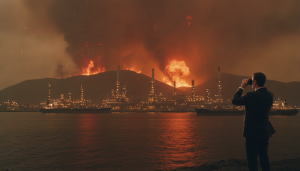
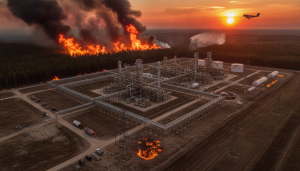
Australia’s energy sector, particularly its vital oil and gas operations, faces an escalating challenge from extreme weather events. As climate patterns intensify, the frequency and severity of natural disasters like floods, bushfires, and cyclones are not merely environmental concerns; they represent tangible, material risks to infrastructure, operational continuity, and ultimately, investor returns. The nation’s resilience in the face of these threats is becoming a key determinant for the long-term stability and attractiveness of its energy assets.
Strengthening National Resilience: A Civilian Initiative
Amidst this backdrop, a strategic shift in Australia’s disaster response capabilities is gaining prominence. Disaster Relief Australia (DRA), a not-for-profit organization leveraging the skills and experience of military veterans, is advocating for substantial federal backing to significantly expand its capacity. DRA aims to establish a formidable 10,000-strong volunteer force, positioning itself as a crucial civilian complement to the Australian Defence Force (ADF) in the critical phases of disaster preparation, relief, and recovery. This initiative holds significant implications for the reliability of supply chains and the safeguarding of energy infrastructure across the continent.
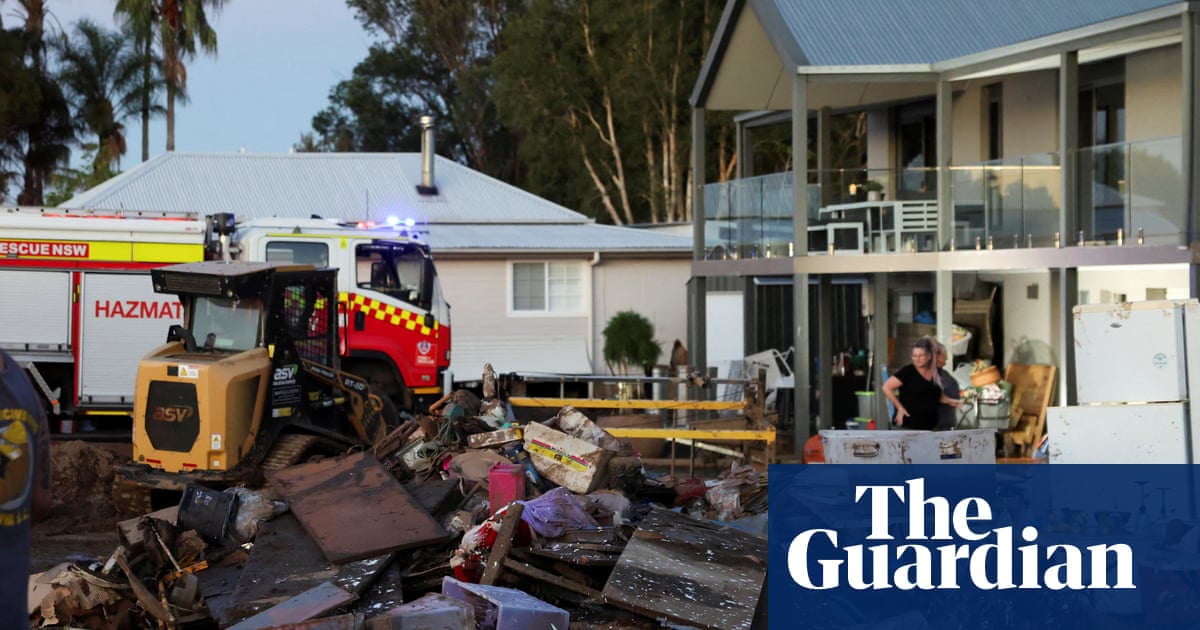
Currently, DRA boasts a dedicated volunteer base exceeding 5,500 individuals. Their operational effectiveness is already evident, with a team of 100 volunteers recently deployed alongside 70 ADF personnel to assist with flood cleanup on the New South Wales mid-north coast. This joint effort underscores the growing reliance on combined civilian and military resources for essential tasks such as debris removal, road reopening, and vital welfare checks in affected zones. For energy companies operating in these regions, a robust and responsive civilian disaster relief network can significantly reduce downtime and expedite recovery, protecting valuable assets and ensuring swifter resumption of operations.
Navigating Funding Uncertainties: A Call for Long-Term Investment
The long-term financial viability of such critical disaster response capabilities is now under scrutiny. DRA’s existing three-year federal grant, totaling $38.3 million, is slated to expire in mid-2026. Recognizing the imperative for sustained support, the organization has proposed a comprehensive four-year, $87.5 million plan for a “national veteran volunteer program (NVVP).” This ambitious proposal is designed to facilitate the expansion of their volunteer ranks to the target of 10,000, ensuring a scalable and enduring capacity for national resilience.
The federal government’s stance on this funding is a point of close observation for investors. While Prime Minister Anthony Albanese acknowledged DRA’s “amazing work” and pledged to “work with them constructively,” a concrete funding guarantee has yet to materialize from the current Labor administration. In contrast, the Coalition, during the previous election campaign, committed $64.5 million towards DRA’s initiatives. This disparity highlights the political dimension of investing in national resilience, which indirectly impacts the operational environment for capital-intensive sectors like oil and gas. Clarity on long-term funding commitments could provide greater certainty for energy market participants.
The ADF’s Pivotal Shift and Energy Security
A key driver behind DRA’s strategic importance stems from a fundamental re-evaluation of the ADF’s role. The 2023 defence strategic review unequivocally stated that the ADF must be considered the “force of last resort” for domestic disaster response. This directive is crucial for ensuring the military can concentrate on its primary mission of national defence, especially in an increasingly complex geopolitical landscape. Consequently, the onus for immediate and sustained disaster relief increasingly falls on capable civilian organizations.
For the oil and gas sector, this shift is not trivial. Historically, in severe crises, energy companies might have indirectly relied on military logistics and personnel to secure sites, transport critical supplies, or facilitate repairs. With the ADF stepping back from routine disaster response, the presence of well-funded, highly organized civilian groups like DRA becomes paramount. Their proven ability to manage preparation, relief, and recovery phases independently from the ADF offers a critical layer of operational security and risk mitigation for energy infrastructure, helping to prevent prolonged disruptions to production and supply.
Investing in Resilience: A Prudent Strategy for Energy Investors
The narrative of increasing disaster frequency, coupled with a per capita decline in traditional emergency services volunteers, underscores the urgent need for a strategic investment in dedicated disaster preparedness and response capabilities. For investors in Australian oil and gas, this isn’t merely a social issue but a core component of risk management and ESG (Environmental, Social, and Governance) considerations.
Companies with assets in vulnerable regions must demonstrate robust strategies for operational continuity and community engagement during crises. Investment in organizations like DRA, whether directly through corporate social responsibility initiatives or indirectly through government funding that stabilizes operating environments, contributes to a more resilient national infrastructure. This resilience translates into reduced financial exposure from damage, fewer production outages, and greater market stability, ultimately protecting shareholder value. Ensuring that Australia can effectively manage the impacts of extreme weather is not just about humanitarian aid; it’s about safeguarding the economic arteries of the nation, including its vital energy sector, for the long term.