The global energy landscape is constantly evolving, influenced by a complex interplay of geopolitics, market dynamics, and, increasingly, long-term environmental shifts. A recent, pivotal development from the International Law Commission (ILC) has cast new light on the future of offshore oil and gas resource rights, particularly for maritime states facing the existential threat of sea-level rise. This isn’t merely an academic debate; it’s a foundational re-evaluation of international law with tangible implications for energy investors. As coastal nations grapple with disappearing landmasses, the ILC’s conclusion that states can maintain their maritime boundaries and statehood even if their land changes or vanishes introduces a critical layer of legal certainty for the vast and valuable offshore resources that lie within these zones.
De-Risking Offshore Exploration: The ILC’s Stance on Maritime Boundaries
For investors eyeing the lucrative, yet often complex, world of offshore oil and gas, legal clarity is paramount. The ILC’s comprehensive report provides just that, asserting that established maritime boundaries, which define a nation’s exclusive economic zone and continental shelf, should remain permanent irrespective of physical changes to their coastlines. This conclusion, rooted in extensive analysis of international law and state practices, directly underpins the security of resource access. These boundaries are not just lines on a map; they delineate sovereign rights over vital resources such as fishing grounds, mineral deposits, and, crucially for our sector, hydrocarbon reserves. The potential for a nation to lose its resource-rich maritime zones due to rising sea levels has long been a lurking uncertainty. The ILC’s affirmation that nothing prevents nations from maintaining these rights significantly de-risks long-term investment in offshore exploration and production, particularly in regions vulnerable to climate change but rich in untapped potential. This provides a stable framework for future exploration tenders and existing production sharing agreements, ensuring that the legal basis for resource ownership remains firm despite environmental shifts.
Navigating Market Volatility Amidst Long-Term Resource Security
While the ILC’s findings offer long-term stability for resource rights, the short-term energy market continues its volatile dance. As of today, April 18, 2026, Brent Crude trades at $90.38 per barrel, experiencing a significant decline of 9.07% within the day, with its range spanning from $86.08 to $98.97. Similarly, WTI Crude stands at $82.59, down 9.41%. This sharp daily drop extends a broader trend, with Brent having fallen from $112.78 on March 30 to $91.87 just yesterday, April 17, representing an 18.5% decrease over the past two weeks. Gasoline prices reflect this pressure, currently at $2.93, down 5.18% today. This immediate market downturn, driven by a confluence of factors including global economic sentiment and supply-demand dynamics, stands in stark contrast to the long-term legal certainties being established for offshore assets. Investors are keenly asking about the trajectory of oil prices, with a common question being what the price of oil per barrel will be by the end of 2026. While today’s steep decline demands attention, the ILC’s work provides a foundational layer of stability for asset valuation that transcends daily price swings, suggesting that the underlying value of offshore resources remains intact even as market sentiment fluctuates.
Upcoming Events and Geopolitical Implications for Offshore Assets
The ILC’s clarification on maritime rights arrives at a critical juncture for global energy policy and upcoming market catalysts. This weekend, the OPEC+ Joint Ministerial Monitoring Committee (JMMC) convenes on April 18, followed by the Full Ministerial Meeting on April 19. These gatherings are central to setting global production quotas, a topic frequently on investors’ minds. The legal permanence of maritime boundaries, particularly for nations with significant offshore reserves, adds a nuanced layer to these discussions. While not directly on the agenda, the ILC’s stance solidifies the long-term resource base of many OPEC+ members and other offshore producers, potentially influencing their long-term investment strategies and their negotiating power within the cartel. For example, nations with extensive but vulnerable coastlines can now plan future offshore developments with greater confidence in their long-term sovereign rights. Beyond OPEC+, the weekly API and EIA inventory reports on April 21 and 22, respectively, along with the Baker Hughes Rig Count on April 24, will provide immediate insights into U.S. supply and demand dynamics, all against the backdrop of this evolving international legal framework that increasingly defines the secure access to global oil and gas reserves.
Investor Focus: Identifying Opportunities and Navigating Risks in a Changing Climate
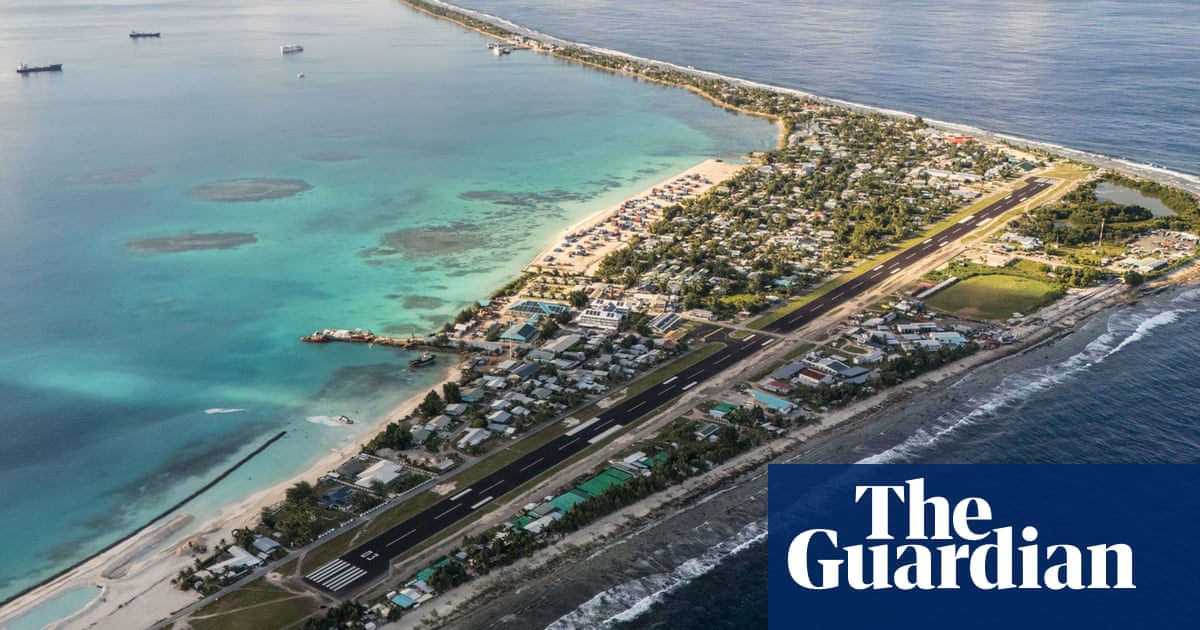
For discerning investors, the ILC’s report translates into tangible considerations for their portfolios. The confirmation of permanent maritime boundaries significantly strengthens the investment case for companies with existing offshore operations or those planning new ventures in vulnerable but resource-rich areas. While specific company performance, such as how an entity like Repsol might end April 2026, depends on a myriad of factors including operational efficiency and market conditions, the legal framework provides a crucial baseline. Companies specializing in deepwater exploration, offshore infrastructure, and those with significant existing reserves in regions susceptible to sea-level rise could see a reduced long-term political risk premium. However, it’s also important to acknowledge the broader context. The report highlights that a third of present-day sea-level rise can be attributed to emissions from major fossil fuel producers. This underscores the increasing importance of ESG considerations for the industry. While the legal clarity supports resource access, the industry faces ongoing pressure to mitigate its environmental footprint and adapt to a world grappling with climate change. Nations like Tuvalu, despite their determination to remain on their land and their significant investment in coastal adaptation projects like their $40 million scheme, still face an existential threat. This creates a dual imperative for investors: capitalizing on the secured resource rights while also scrutinizing companies’ long-term sustainability strategies and their role in a changing climate.