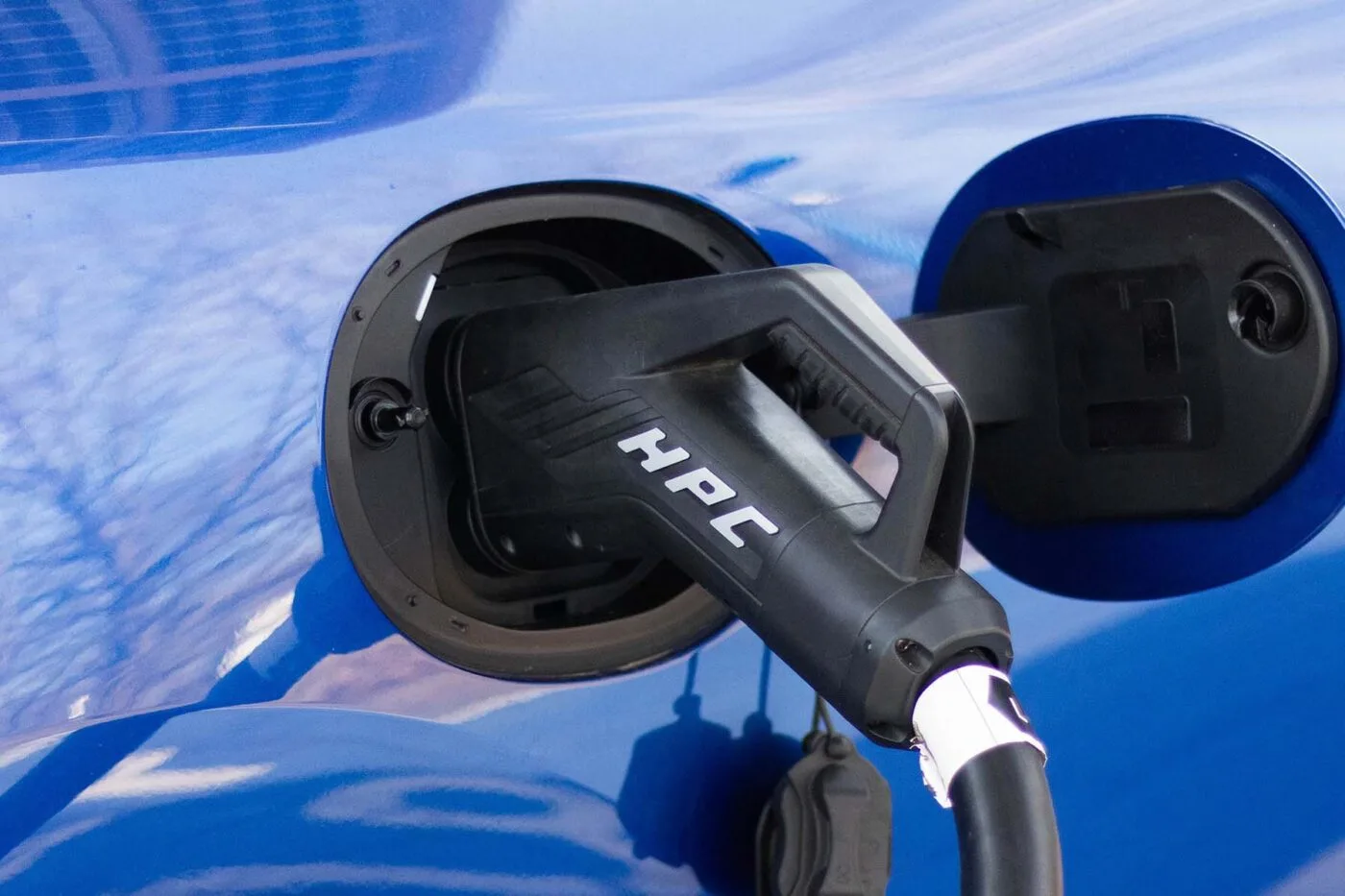
EV Charging Reliability: A Hidden Tailwind for Oil Demand?
The narrative of peak oil demand has long been intertwined with the accelerating adoption of electric vehicles. However, a recent comprehensive study into EV charging reliability offers a stark reminder that the transition away from fossil fuels is fraught with practical hurdles, potentially creating a longer runway for hydrocarbon demand than many models currently project. The second edition of the Charging Reliability Index (CRI) reveals that not a single one of the ten global EV platforms tested achieved more than 76 per cent reliability in charging processes. For oil and gas investors, this isn’t merely a technical footnote; it represents a material risk to aggressive EV penetration forecasts and, by extension, a potential sustained demand floor for crude and refined products.
The “Range Anxiety” Successor and Its Oil Implications
The CRI’s findings underscore a critical challenge for mass EV adoption: charging infrastructure reliability is now eclipsing “range anxiety” as a primary concern for potential buyers. The study, which expanded its scope to include named platforms like Tesla Model 3/Y, Hyundai E-GMP, and VW’s MEB architecture, documented significant flaws. Analysts highlight that one in ten charging attempts still fail, leading to substantial frustration and even breakdowns. Core issues include “authorization timeouts” where the vehicle’s strict internal clock clashes with external payment processing, and variable “signal attenuation” causing unstable charging sessions. While improvements in communication signal quality were noted compared to 2023, the fundamental reliability gap remains wide, with the lowest-performing platform managing a dismal 39 points out of 100. For the oil and gas sector, these persistent reliability issues translate directly into a slower, more protracted transition to electric mobility. This sustained drag on EV adoption means internal combustion engine vehicles will remain on the road longer, underpinning demand for gasoline and diesel fuels beyond what many aggressive decarbonization scenarios anticipate.
Market Realities: Crude Volatility Amidst EV Headwinds
The broader market currently reflects a complex interplay of forces. As of today, Brent Crude trades at $90.38, experiencing a significant single-day decline of 9.07%, with its range touching as low as $86.08. WTI Crude mirrors this trend, standing at $82.59, down 9.41% today. This sharp downturn comes after Brent had already shed considerable value, moving from $112.78 on March 30th to $91.87 on April 17th, representing an 18.5% drop in just over two weeks. Gasoline prices have also seen a notable decrease, settling at $2.93, a 5.18% reduction today. While this immediate volatility is likely driven by short-term macroeconomic concerns, inventory data, or geopolitical shifts, the underlying narrative of EV charging reliability provides a crucial longer-term perspective. If the fundamental challenges in EV charging persist, the projected decline in oil demand due to electrification may be substantially delayed or less severe. This resilience in demand provides a counterpoint to current bearish market sentiment, suggesting that the “peak oil” timeline could be pushed further out, offering a degree of fundamental support to crude prices even amidst short-term fluctuations.
Investor Focus: What Sustains Oil Prices in 2026?
Investors are keenly observing the factors that will shape oil prices through the end of 2026, with common inquiries centering on price predictions and OPEC+’s strategy. The latest data on EV charging reliability directly informs this outlook. If the adoption rate of EVs is significantly hampered by these persistent infrastructure challenges, the demand for traditional fuels will remain more robust than previously modeled. This creates a stronger demand baseline for oil that must be factored into any long-term price forecast. Against this backdrop, the upcoming OPEC+ meetings take on heightened importance. The Joint Ministerial Monitoring Committee (JMMC) convenes tomorrow, April 18th, followed by the Full Ministerial meeting on April 19th. Decisions regarding production quotas from these gatherings will be pivotal. Should OPEC+ perceive sustained demand, partly due to the slower-than-anticipated EV transition, they may opt to maintain tighter supply, thereby supporting prices. Investors asking about current OPEC+ production quotas are rightly focused on the supply side, but the demand side, subtly influenced by EV adoption hurdles, offers a critical lens through which to interpret those supply decisions for 2026.
Navigating the Road Ahead: Key Events and Demand Signals
For discerning investors, monitoring both macro and micro indicators is paramount. The coming weeks will bring a flurry of critical data points. The API Weekly Crude Inventory reports on April 21st and 28th, followed by the EIA Weekly Petroleum Status Reports on April 22nd and 29th, will provide vital insights into U.S. inventory levels, refining activity, and overall demand signals. These reports offer a snapshot of immediate market conditions. Furthermore, the Baker Hughes Rig Count on April 24th and May 1st will indicate drilling sentiment and potential future supply. While these events provide short-term market direction, the structural issues revealed by the Charging Reliability Index underscore a more profound, long-term trend. The challenges in developing a truly seamless EV charging ecosystem imply that the “death of oil” may be greatly exaggerated and certainly further off than many headlines suggest. Oil and gas investors should integrate these EV reliability concerns into their demand models, understanding that persistent infrastructure issues will continue to provide a floor for hydrocarbon demand, making the upcoming supply-side decisions and demand indicators even more critical to monitor closely.


