The oil and gas investment landscape is a dynamic arena, constantly balancing immediate supply-demand fundamentals with powerful, long-term structural shifts. While headlines often focus on geopolitical tensions, inventory fluctuations, or OPEC+ pronouncements, a quieter revolution is unfolding in the electric vehicle (EV) sector that holds profound implications for future oil demand. The recent strategic collaboration between DHL Supply Chain and Fortum Battery Recycling to establish a comprehensive, closed-loop logistics network for EV battery recycling across Europe is a prime example of this accelerating transformation. This partnership isn’t just about logistics; it’s a significant leap towards solidifying the sustainability and economic viability of EVs, thereby strengthening a key long-term headwind for crude oil consumption.
The Maturing EV Ecosystem: A Structural Headwind for Oil Demand
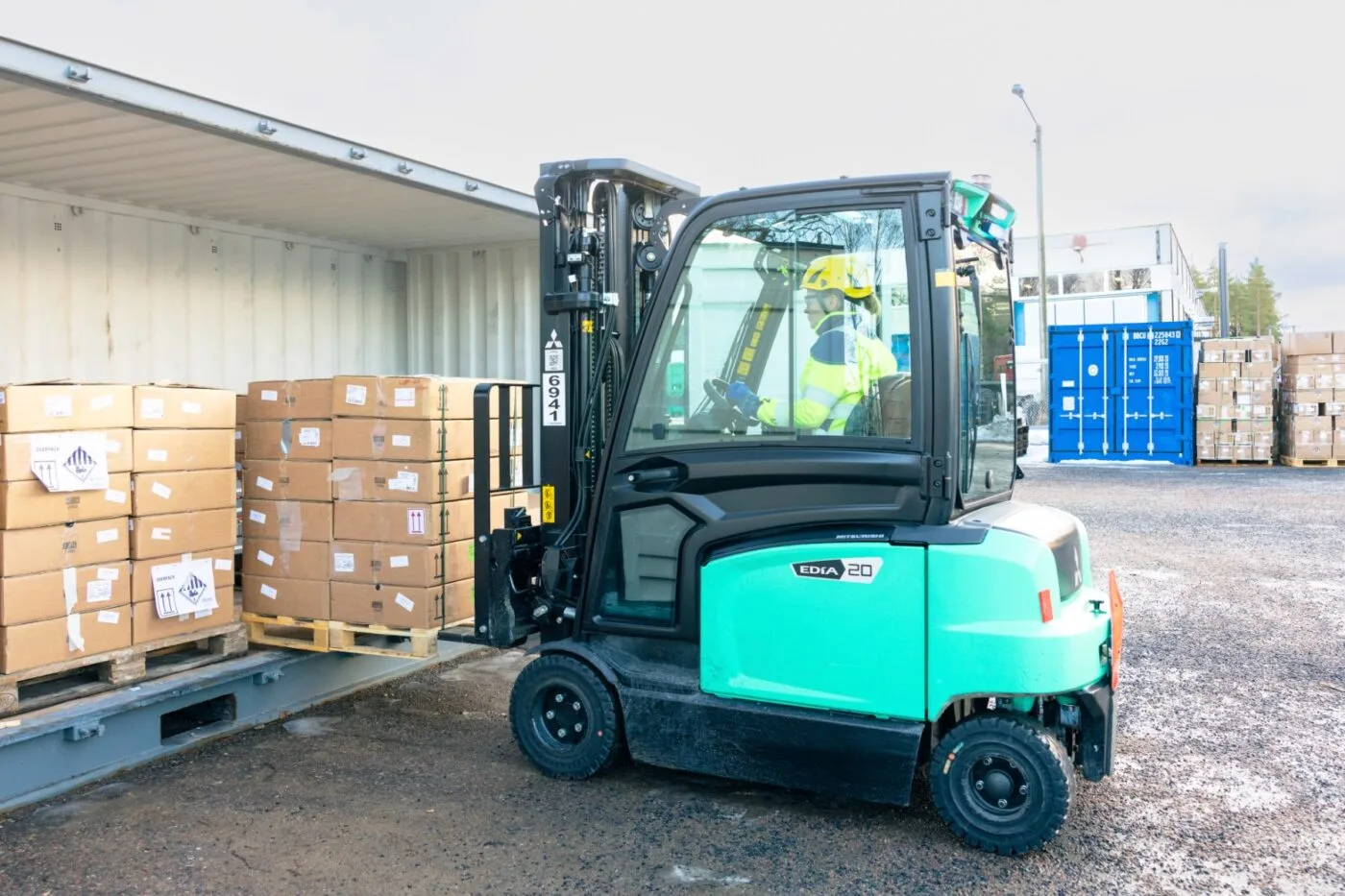
The agreement between DHL and Fortum marks a pivotal moment in the evolution of the EV ecosystem. For too long, the environmental footprint of battery manufacturing and end-of-life disposal has been a point of contention for EV skeptics. However, Fortum, as a leader in end-to-end battery recycling, is actively recovering critical raw materials like lithium, cobalt, and nickel with high yields, significantly reducing the need for virgin materials. DHL’s role in establishing safe, efficient, and just-in-time logistics for used EV batteries, including specialized storage and transport, is critical for scaling these circular economy efforts. This “closed-loop” approach to battery materials not only enhances the environmental credentials of EVs but also addresses supply chain vulnerabilities and potentially lowers the long-term cost of battery production. By making EVs more sustainable and economically attractive, such initiatives accelerate their adoption rates, directly impacting future demand for gasoline and diesel. Investors in the oil and gas sector must recognize that these advancements are not isolated developments but integral components of a global energy transition that will increasingly reshape transportation fuel consumption.
Current Market Dynamics vs. The Long-Term EV Shadow
While the long-term trajectory for oil demand faces increasing pressure from electrification, current market conditions continue to exhibit volatility and short-term resilience. As of today, Brent crude trades at $95.58 per barrel, marking a 0.83% increase, with its daily range spanning $91 to $96.89. WTI crude also shows strength, up 0.51% to $91.75 per barrel. Gasoline prices reflect this upward momentum, trading at $3.01, up 1.35% for the day. This immediate market strength comes after a period of downward pressure; Brent, for instance, saw a notable decline of nearly 9% over the past two weeks, dropping from $102.22 on March 25th to $93.22 on April 14th before today’s rebound. This recent sensitivity underscores the market’s responsiveness to prevailing supply-demand narratives, geopolitical developments, and inventory data. However, investors must look beyond these immediate fluctuations and consider the compounding effect of advancements like the Fortum-DHL partnership. Even as crude prices find support in the short term, the strengthening EV value chain continues to cast a long shadow over future oil demand curves, suggesting that any current price strength may increasingly encounter structural headwinds in the medium to long term.
Investor Focus: Forecasting Demand Amidst Transition
Our proprietary reader intent data highlights a clear priority for investors this week: understanding the future direction of crude prices. Specifically, there’s significant interest in building a base-case Brent price forecast for the next quarter and identifying the consensus 2026 Brent forecast. These critical questions underscore the challenge of predicting market movements in a period of profound energy transition. The Fortum-DHL deal provides crucial input for these forecasts by reinforcing the accelerating shift towards sustainable mobility. When investors model future oil demand, they must increasingly factor in the rapid advancements in EV technology and infrastructure. The ability to recover critical battery materials with high yields, as Fortum demonstrates, directly contributes to reducing the overall cost and environmental impact of EVs. This, in turn, makes EVs more competitive with internal combustion engine vehicles, potentially accelerating their market penetration beyond previous projections. Therefore, while traditional factors like global economic growth, OPEC+ policy, and inventory levels remain paramount for short-term forecasts, a robust long-term forecast for Brent and other crude benchmarks must now integrate the tangible progress of the EV circular economy. This progress fundamentally alters the demand outlook, particularly for transportation fuels, and warrants a re-evaluation of long-term demand growth assumptions.
Upcoming Events and Navigating Short-Term vs. Long-Term Signals
The coming two weeks are poised to deliver a barrage of market-moving information, demanding investors’ immediate attention. The Baker Hughes Rig Count, scheduled for April 17th and 24th, will offer insights into North American production trends. More critically, the OPEC+ Joint Ministerial Monitoring Committee (JMMC) meeting on April 18th, followed by the full Ministerial Meeting on April 20th, could dictate the immediate global supply outlook. Furthermore, weekly inventory data from the API on April 21st and 28th, and the EIA’s Petroleum Status Reports on April 22nd and 29th, will provide crucial updates on U.S. crude and product stockpiles. These events are direct catalysts for short-term price volatility and will heavily influence tactical trading decisions. However, investors must maintain a dual perspective. While these upcoming announcements will undoubtedly shape market sentiment in the near term, the structural shifts exemplified by the deepening EV battery recycling loop continue to exert a powerful, underlying influence on the long-term demand narrative. The Fortum-DHL partnership is not a single event that will move crude prices next week, but it is a concrete step in a trend that is steadily chipping away at future oil demand. Successfully navigating the oil market requires astute analysis of both the immediate, event-driven dynamics and the compounding, transformative power of the energy transition.