Europe’s Energy Crossroads: Navigating Geopolitical Shifts for Oil & Gas Investors
The global energy landscape is currently a crucible of escalating volatility, with Europe finding itself at the epicenter of a looming economic and energy upheaval. While recent political rhetoric has undoubtedly accelerated this trajectory, the foundational shifts in global power dynamics have been unfolding for an extended period, reflecting a consistent geopolitical philosophy. For astute oil and gas investors, comprehending these rapidly evolving dynamics is not merely beneficial but absolutely crucial, as they directly influence commodity pricing, energy security paradigms, and the viability of long-term investment strategies across the European continent.
A Consistent Geopolitical Vision Reshaping Energy Markets
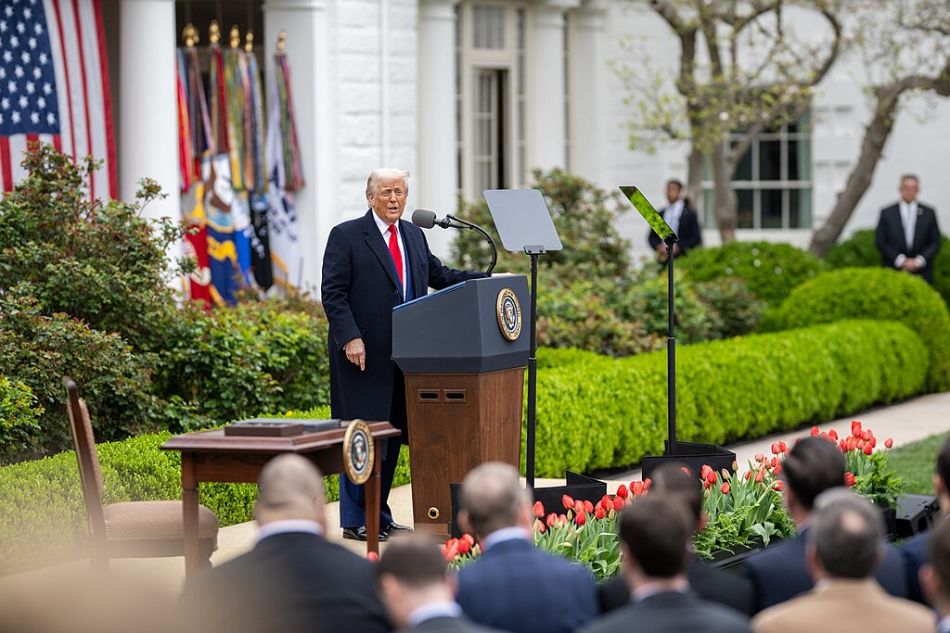
The re-emergence of a prominent figure in the U.S. political arena signals a renewed and vigorous push for policies designed to fundamentally challenge the established international order. This is not an abrupt change in direction but rather a continuation of themes that were conspicuously present in a previous administration: pointed criticisms of European trade surpluses, persistent calls for increased contributions to NATO, and a direct questioning of Europe’s deep-seated reliance on energy imports from geopolitical adversaries. While the communication style may be unconventional, the strategic rationale underpinning these positions has remained remarkably steadfast. This consistent strategic outlook profoundly influences U.S. foreign policy and, by direct extension, the stability of global energy markets. Oil and gas firms with significant operational or investment exposure in Europe must acknowledge this predictable, yet undeniably disruptive, force that is poised to shape future policy frameworks and market conditions.
Europe’s Unaddressed Strategic Energy Vulnerabilities
Despite numerous clear signals and prior warnings, a significant portion of Europe’s political establishment largely underestimated the potential for such profound strategic disruptions. A prevailing sentiment existed that deeply entrenched institutions, robust economic interdependence, and long-standing alliances would effectively insulate the continent from radical policy shifts. This fundamental miscalculation appears to stem from an over-reliance on the perceived enduring stability of the post-Cold War order and a reluctance to undertake politically challenging, yet strategically necessary, preparations for a more fragmented and unpredictable global environment. This oversight has left the European energy market particularly susceptible to external pressures, underscoring the critical imperative for diversified energy sources and robust strategic reserves. These are paramount considerations for any investor meticulously evaluating European energy infrastructure projects, from upstream exploration to downstream distribution networks.
Tariffs: A Potent Geopolitical Lever for Economic Reordering
The impending implementation of 20% tariffs on a broad spectrum of European Union goods, slated to take effect in April, represents far more than a mere adjustment to trade policy. These tariffs are a meticulously crafted instrument of geopolitical pressure, explicitly designed to fundamentally re-shape global economic relationships. From this strategic perspective, the EU is not perceived as an indispensable ally in the traditional sense, but rather as a primary beneficiary of the existing international system. This framework prioritizes transactional alliances, where multilateral institutions are viewed as tools to serve national interests, and trade itself transforms into a potent lever for influence rather than solely a mechanism for mutual economic gain. For oil and gas companies, these tariffs could introduce significant and widespread supply chain disruptions, substantially increase the cost of energy inputs for their industrial clients across Europe, and ultimately exert downward pressure on energy demand within key European markets, impacting refining margins and petrochemical feedstock economics.
The EU’s Strategic Imperative: Self-Reliance and Energy Security
The strategic framework driving these U.S. policy shifts implicitly suggests that the United States is less inclined to continue providing the “security umbrella” that has historically facilitated Europe’s economic prosperity and its relatively unburdened energy procurement. This perspective emphasizes that nations should bear the full costs of their own security and economic choices. Consequently, Europe faces an urgent need to dramatically enhance its self-reliance, particularly in the critical domain of energy security. This involves accelerating investments in diverse energy sources, strengthening domestic production capabilities where feasible, and significantly bolstering strategic energy reserves. For oil and gas investors, this translates into potential opportunities in LNG import infrastructure, gas storage facilities, and potentially even a renewed focus on indigenous hydrocarbon development, albeit under increasingly stringent environmental regulations.
Investment Outlook: Navigating Risk and Opportunity in European Energy
The current geopolitical headwinds demand a highly nuanced approach from oil and gas investors with stakes in Europe. The risk profile has undeniably intensified, encompassing potential supply chain disruptions, fluctuating energy demand due to industrial cost pressures, and a heightened degree of policy uncertainty regarding future energy transition pathways and trade relationships. However, these challenges also unveil distinct investment opportunities. The imperative for European energy security will drive significant capital expenditure into diversification projects. This includes expanding LNG regasification capacity, developing new pipeline infrastructure to non-Russian sources, and strengthening interconnectivity across the continent. Investment in resilient energy infrastructure, including gas storage and potentially even backup fossil fuel power generation (as a transitional measure), could see renewed interest.
Furthermore, the focus on “self-reliance” might catalyze investments in upstream projects within politically stable European nations, or in regions supplying Europe that are deemed geopolitically secure. Companies offering innovative solutions for energy efficiency, carbon capture, and sustainable alternative fuels, which can reduce Europe’s import dependency, may also find fertile ground for growth. Investors should meticulously assess company exposure to various European economies, analyze their supply chain vulnerabilities, and evaluate their strategic flexibility to adapt to rapid policy shifts and evolving trade dynamics. The coming years will undoubtedly test the resilience of the European energy market, but for those with a clear understanding of the underlying geopolitical currents, strategic investment opportunities will emerge amidst the turbulence.