The European energy landscape is undergoing a profound transformation, with hydrogen emerging as a cornerstone of future decarbonization efforts. In a significant development signaling concrete progress, Spanish grid operator Enagás has secured a substantial €32.5 million ($37.6 million) grant from the European Commission. This crucial funding is earmarked for critical studies and engineering projects that will lay the groundwork for Spain’s ambitious hydrogen gas network, a pivotal component of the continent’s evolving energy infrastructure.
The allocation, confirmed by Enagás CEO Arturo Gonzalo, originates from the European Climate, Infrastructure and Environment Executive Agency (CINEA) under the Connect Europe Facility. This move underscores the European Union’s unwavering commitment to fostering a robust hydrogen economy, providing tangible financial support to accelerate the transition away from fossil fuels and towards cleaner energy solutions. For investors tracking the green energy transition, this grant represents more than just a financial injection; it’s a clear signal of political will and strategic investment in a sector poised for exponential growth.
Catalyzing the Spanish Hydrogen Backbone
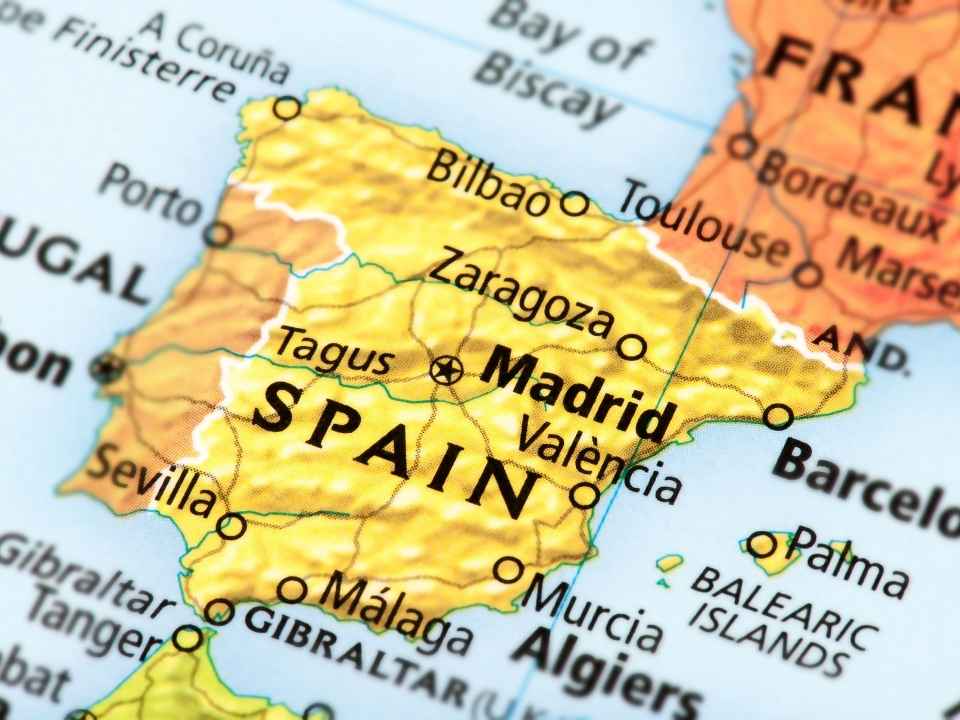
At the heart of Enagás’s strategic initiatives is the development of the Spanish Hydrogen Backbone, an extensive 2,700-kilometer network designed to revolutionize energy distribution. This monumental project aims to connect potential hydrogen production hubs with key demand centers across Spain, while also establishing vital links to industrial powerhouses in northern Europe. The vision is clear: to position Spain not only as a major producer of green hydrogen, leveraging its abundant renewable energy resources, but also as a critical conduit for its distribution across the European continent.
The Backbone’s development is currently in an intensive 18-month consultation phase. This comprehensive engagement process involves a broad spectrum of stakeholders, including local communities, over 50 public administrations, and 380 organizations throughout Spain. Such wide-ranging consultation is essential for ensuring the project’s societal acceptance, addressing environmental considerations, and integrating diverse perspectives, ultimately de-risking the future deployment for long-term investors. This transparent and inclusive approach reinforces the project’s long-term viability and its alignment with broader national and European energy objectives.
A New Technological Cycle for European Energy
Arturo Gonzalo, speaking at an internal hydrogen event, emphasized the steady progress of the Spanish Hydrogen Backbone, affirming that development is proceeding “as planned.” His remarks highlighted the company’s commitment to “giving impetus to a new technological cycle,” underscoring the transformative nature of hydrogen infrastructure. For forward-looking investors, this “new technological cycle” signifies a fundamental shift in energy paradigms, offering opportunities in infrastructure development, electrolysis technology, hydrogen production, and associated services.
Gonzalo’s vision of “building the hydrogen infrastructure of tomorrow” resonates deeply with the broader European agenda to achieve climate neutrality by 2050. Spain, with its extensive solar and wind resources, is uniquely positioned to become a leader in green hydrogen production, potentially transforming its role from an energy importer to a significant exporter of clean energy. This strategic pivot presents compelling prospects for investors seeking exposure to the next generation of energy assets and the companies driving their development.
Strategic Implications for Investors in the Energy Sector
The European Commission’s backing of Enagás’s hydrogen initiatives is a powerful indicator for the global energy market. It signals a robust commitment at the highest levels to de-risk and accelerate investments in hydrogen infrastructure. For oil and gas investors, this represents a crucial pivot point. While traditional energy sources remain vital, the sustained push into hydrogen necessitates a re-evaluation of portfolios and an increased focus on companies actively participating in the hydrogen value chain.
Enagás, as an incumbent gas grid operator, is strategically repurposing its expertise and infrastructure for the hydrogen era. This adaptive strategy offers a compelling investment thesis: leveraging existing capabilities to navigate the energy transition rather than being disrupted by it. The engineering studies funded by this grant are not merely technical exercises; they are foundational steps that will inform the billions of euros in capital expenditure required to bring the Spanish Hydrogen Backbone to fruition. This initial investment unlocks subsequent, larger-scale construction and operational phases, providing a long runway for growth.
Broader European Hydrogen Ambitions and Market Potential
This Spanish initiative is part of a much larger tapestry of European hydrogen strategies, including the ambitious REPowerEU plan, which targets 20 million tonnes of renewable hydrogen consumption and production by 2030. The Connect Europe Facility, through which Enagás received its funding, is a key financial instrument designed to support such trans-European energy networks. These concerted efforts are creating a fertile ground for market expansion, attracting both public and private capital into the hydrogen sector.
The economic potential of hydrogen is immense, spanning not only energy transport but also industrial decarbonization (e.g., steel, chemicals), heavy-duty transport, and power generation. Companies that can effectively integrate across this value chain – from renewable electricity generation for electrolysis, to hydrogen production, storage, and distribution – stand to gain significant market share. Investors should closely monitor regulatory frameworks, technological advancements, and the progression of flagship projects like the Spanish Hydrogen Backbone for indicators of future performance and emerging opportunities.
In conclusion, the €32.5 million grant to Enagás is far more than a modest sum in the grand scheme of energy transition; it is a critical seed investment validating a strategic direction. It confirms that Europe is not just talking about hydrogen but actively funding its foundational infrastructure. For discerning investors, this development reinforces the imperative to consider hydrogen as an integral and increasingly tangible part of a diversified, future-proof energy portfolio, with significant long-term growth potential in the evolving global energy market.