The global energy landscape is undergoing a profound transformation, with increasing strategic investments aimed at accelerating the transition away from fossil fuels. A prime example of this deliberate shift comes from Europe, where a significant new initiative is set to supercharge the development of electric heavy-duty transport infrastructure. While short-term crude market dynamics continue to capture headlines, sophisticated investors understand the necessity of looking beyond immediate volatility to identify foundational, long-term trends. The Multipoint megAwatt Charging for Battery Electric Truck Hubs (MACBETH) project, backed by the European Commission, represents a crucial €10 million commitment to establishing a robust electric truck charging network across Europe by 2030. For oil and gas investors, this signals a tangible and accelerating erosion of future diesel demand, warranting a closer look at its implications for portfolio strategy.
The MACBETH Initiative: A €10 Million Catalyst for Electric Trucking
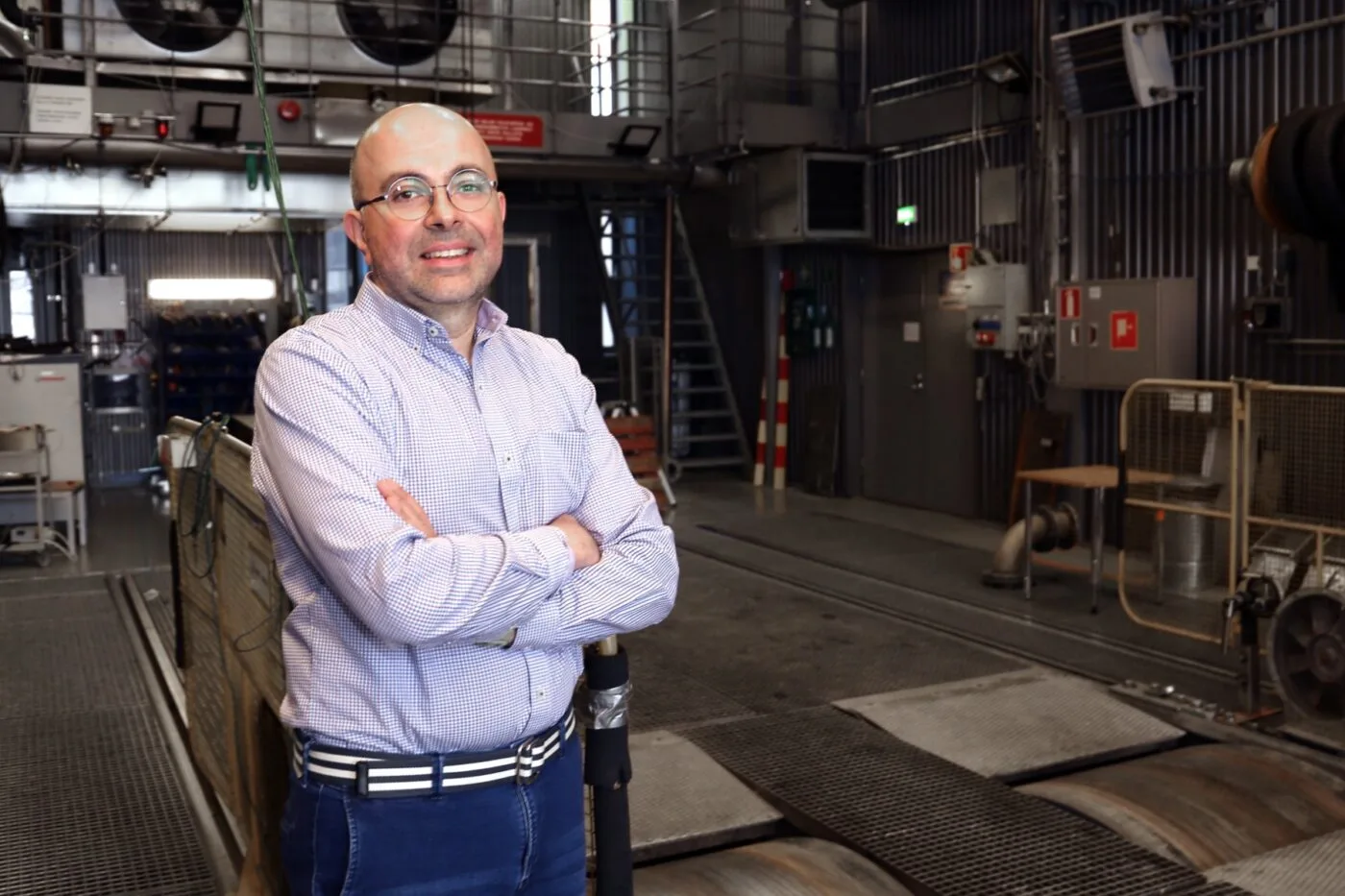
The MACBETH initiative, led by the VTT Technical Research Centre of Finland and slated to run until January 2029, is not merely a research endeavor; it’s a foundational step towards decarbonizing a critical segment of the European economy. With €10 million in funding, the project’s primary focus is to develop scalable megawatt charging systems (MCS) suitable for multi-user charging hubs. This involves a collaborative effort with prominent European partners including PostNord Denmark, MAN Truck & BUS SE, and Power Electronics Espana, among others, to create a functional and widespread infrastructure for electric heavy-duty vehicles.
Central to MACBETH’s strategy are two large-scale demonstration pilots, which will see the creation of ‘hybrid charging stations.’ These stations are designed to serve a diverse fleet, providing charging solutions for heavy- and medium-duty commercial vehicles, alongside private electric vehicles. This multi-user approach is key to maximizing efficiency and demonstrating the broad applicability of the developed technologies. Key partners are bringing innovative solutions to the forefront: Rocsys, for instance, is testing a robotic charging arm aimed at automating the charging process, improving driver ergonomics, and enhancing operational safety. Similarly, Kempower, a specialist in DC charging solutions, is contributing its expertise and equipment, including pantograph DC systems and the ChargEye charging management software, which will be vital in bridging the current gap in European megawatt charging infrastructure. The holistic approach aims to develop a scalable basis for these solutions, encompassing various charging hub designs, hardware systems, plug standards, and safety-enabling robot technologies.
Current Market Headwinds vs. Long-Term Transition
As of today, April 18, 2026, the crude oil market presents a picture of significant short-term downward pressure, contrasting sharply with the long-term strategic investments in electrification. Brent Crude is currently trading at $90.38, marking a notable 9.07% decline from its opening, with a day range between $86.08 and $98.97. Similarly, WTI Crude stands at $82.59, down 9.41% today, fluctuating between $78.97 and $90.34. This daily volatility follows a more sustained trend; over the past 14 days, Brent has fallen from $112.78 on March 30th to $91.87 on April 17th, representing a substantial 18.5% drop. Even gasoline prices are reflecting this downtrend, trading at $2.93, a 5.18% decrease today.
While these immediate market movements might temporarily ease concerns about energy costs, they underscore the inherent volatility of the crude market. For investors, it’s crucial not to let short-term price fluctuations obscure the strategic, long-term shifts underway. Initiatives like MACBETH, with their multi-million-euro backing and clear timelines for infrastructure deployment, signal an irreversible trajectory towards reducing reliance on traditional fuels. The electrification of heavy-duty transport directly targets a significant segment of diesel demand, a structural change that will continue to exert pressure on oil consumption regardless of daily crude price swings. The current market downturn, while providing a temporary reprieve from high fuel costs, doesn’t diminish the imperative for the energy transition; it simply highlights the complex interplay of immediate supply-demand dynamics and strategic future-proofing.
Investor Focus: Navigating Peak Demand and Strategic Shifts
Our proprietary reader intent data reveals a clear focus among investors on the future trajectory of the oil market, with common questions like “What do you predict the price of oil per barrel will be by end of 2026?” and “What are OPEC+ current production quotas?” These inquiries highlight a natural preoccupation with the immediate and near-term supply-demand balance and its impact on pricing. However, the MACBETH initiative directly addresses the long-term demand side of this equation, presenting a structural challenge to the oil sector.
The electrification of heavy-duty transport, a key outcome targeted by MACBETH, directly impacts future diesel consumption, which is a significant component of overall oil demand. As a network of electric truck charging hubs takes shape by 2030, the demand for middle distillates will face increasing pressure. This structural shift is a critical factor for investors evaluating the long-term prospects of integrated oil companies or refining assets. For example, questions about the performance of companies like Repsol by April 2026, while focused on a shorter horizon, must ultimately factor in these accelerating demand erosion trends. The push for MCS in Europe isn’t just about emissions; it’s about fundamentally altering the fuel mix for an entire segment of the economy, forcing oil and gas firms to adapt their long-term capital allocation strategies and diversification efforts.
Upcoming Events and the Shifting Energy Landscape
The next two weeks are packed with events that will undoubtedly influence short-term oil market sentiment and prices, yet they exist within a larger narrative of energy transition. Immediately ahead, the OPEC+ Joint Ministerial Monitoring Committee (JMMC) meets today, April 18th, followed by the Full Ministerial OPEC+ Meeting tomorrow, April 19th. These meetings are critical for understanding potential adjustments to production quotas, which directly impact global supply. Following these, the market will closely watch the API Weekly Crude Inventory report on April 21st and the EIA Weekly Petroleum Status Report on April 22nd for insights into U.S. inventory levels and demand signals. The Baker Hughes Rig Count on April 24th will provide a snapshot of drilling activity, indicating future supply potential. This cycle repeats the following week with API and EIA reports on April 28th and 29th, and another Baker Hughes report on May 1st.
While these events offer crucial data points for short-term trading and market positioning, they represent tactical movements within a strategic shift. The €10 million investment in MACBETH, aimed at developing a megawatt charging network by 2030, is a long-term, foundational play. Investors must recognize that while OPEC+ decisions and weekly inventory data dictate immediate price volatility, the strategic deployment of electric truck charging infrastructure in Europe is chipping away at future oil demand, regardless of what happens in the next fortnight. Savvy investors will use the insights from these upcoming events to navigate short-term opportunities, but keep a firm eye on the irreversible, structural changes being driven by initiatives like MACBETH, which will redefine the energy landscape for decades to come.
Implications for Oil & Gas Investment Strategy
The MACBETH initiative serves as a powerful signal for oil and gas investors: the electrification of heavy-duty transport in Europe is not a distant aspiration but an actively funded and strategically planned reality. This development will have significant implications for the demand profile of middle distillates, particularly diesel, within the European market. Companies heavily reliant on refining margins from diesel production or those with significant exposure to European fuel markets will need to closely monitor the progress of such initiatives and adjust their long-term forecasts accordingly.
For oil and gas exploration and production companies, the accelerating shift in demand for transport fuels reinforces the need for rigorous capital discipline and a strategic focus on low-cost, low-carbon intensity barrels. While global oil demand may continue to grow in some regions for a period, the erosion of demand in developed markets like Europe, driven by projects like MACBETH, will place increasing pressure on long-term price ceilings and asset valuations. Investors are encouraged to scrutinize company diversification strategies, investments in renewable energy, and commitments to emissions reduction. The MACBETH project is a tangible example of how targeted infrastructure investments are reshaping the future of energy consumption, demanding a proactive and adaptive investment approach within the oil and gas sector.