The European Union’s unwavering commitment to achieving a net-zero carbon economy is fundamentally reshaping energy consumption patterns across the continent. For astute investors navigating the complex landscape of the traditional oil and gas sector, understanding these evolving dynamics at a granular level is paramount. A recent initiative in Ljubljana, Slovenia, provides a compelling case study, illustrating the accelerating trend of demand erosion for fossil fuels, particularly diesel, within Europe’s urban centers.
Ljubljana’s ambitious public transport electrification project has secured a significant financial boost, receiving €3.5 million in support from the European Regional Development Fund (ERDF). This substantial backing forms part of Slovenia’s broader EU Cohesion Policy Programme for 2021–2027, signaling a continent-wide strategic shift. This isn’t merely an environmental aspiration; it represents a tangible and measurable reduction in the consumption of petroleum products, setting a precedent that will resonate across numerous European cities.
Ljubljana’s Electrification Blueprint: A Catalyst for Change
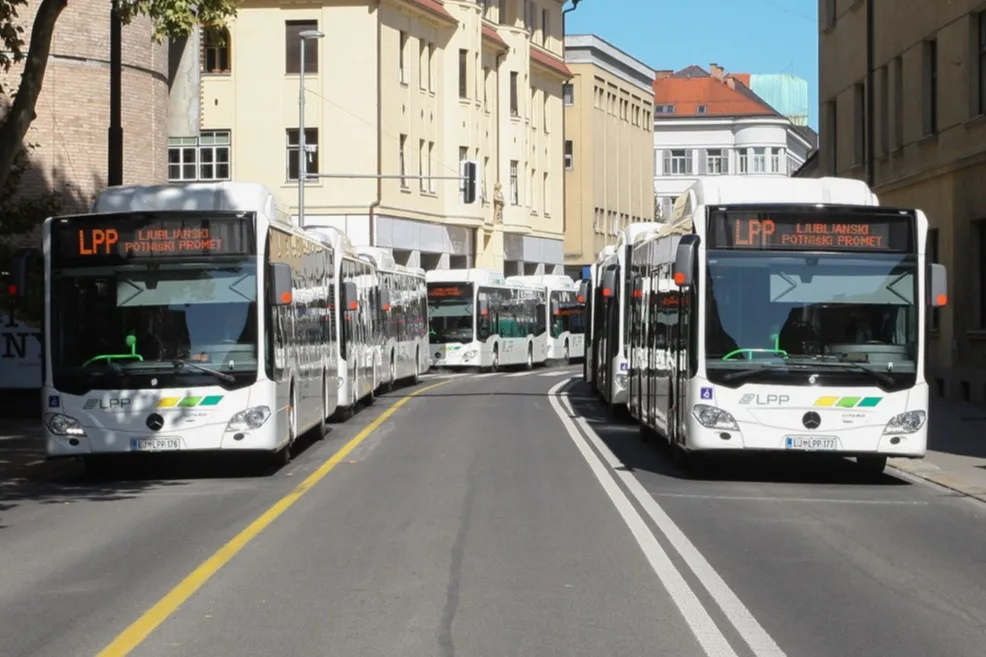
For oil and gas market participants, drilling down into the specifics of such projects is crucial for accurate demand forecasting and strategic investment decisions. Ljubljana’s total €11.6 million endeavor is designed to integrate 16 new battery-electric buses into its public transport fleet. These modern, zero-emission vehicles will directly replace older, diesel-powered units, leading to an immediate and quantifiable decrease in fuel requirements.
The project details reveal a thoughtfully diversified fleet, tailored to enhance sustainable urban mobility and drastically curtail the city’s carbon footprint. The acquisitions include six 18-meter articulated electric buses, five standard 12-meter electric buses, and five compact 9-meter electric buses. Each of these new units represents a direct displacement of diesel gallons, and when aggregated across hundreds of similar initiatives expected to unfold across Europe, the cumulative impact on overall petroleum demand becomes undeniably significant. This localized effort is a potent indicator of the broader structural shift underway, eroding a segment of the established oil market that investors have long taken for granted.
Brussels’ Mandate: A Clear Signal for O&G Investors
The strategic investment in cleaner public transport aligns seamlessly with the EU’s overarching decarbonization agenda. The funding, formally approved on April 28, 2025, falls under a priority specifically structured to foster sustainable multimodal urban mobility. This targeted allocation of capital from Brussels sends an unambiguous message: the energy transition is not just a policy aspiration but an actively funded and rapidly implemented directive. This unwavering commitment will inevitably impact demand forecasts for refined products like diesel, forcing a re-evaluation of market assumptions.
Every new electric bus integrated into a city’s fleet translates directly into reduced diesel purchases, subsequently diminishing the demand for crude oil refining. For traditional fuel suppliers and downstream operators, this signifies a tightening market and increasing pressure on profitability. The EU’s “Fit for 55” package and REPowerEU initiatives further underscore this trajectory, mandating stringent emissions reductions and accelerating the shift away from fossil fuels across all sectors, with urban transport being a high-impact target.
Beyond Green: Economic Drivers of Electrification
While environmental imperatives are a primary driver, cities like Ljubljana are also recognizing the compelling operational efficiencies inherent in electric fleets. Public transport operators frequently cite increased reliability and considerably lower maintenance costs as significant advantages of these new vehicles. For investors, this potent combination—environmental compliance paired with robust economic incentives—strengthens the rationale for sustained and expanded electrification efforts throughout Europe. This isn’t a fleeting trend or a discretionary green initiative; it represents a fundamental, structural transformation in how urban transport systems are financed, operated, and sustained. It directly erodes market share from fossil fuel providers and reallocates capital towards electrified infrastructure and associated technologies.
The Collateral Damage: Implications for Diesel and Refining
The continuous electrification of public transport fleets, exemplified by Ljubljana’s project, represents a substantial threat to the conventional diesel market. Diesel has historically been a cornerstone of European refined product demand, underpinning the profitability of many refining operations. As city after city follows Ljubljana’s lead, the cumulative effect will be a sustained decline in diesel consumption. This trend will exert downward pressure on refining margins, particularly for less complex refineries heavily reliant on diesel output.
Oil and gas investors must consider how this shift will influence the entire crude oil supply chain. Reduced diesel demand translates into lower crude intake for refineries, potentially impacting global crude benchmarks and trade flows. Furthermore, the midstream sector, responsible for transporting and storing refined products, will also face challenges as volumes contract for traditional fuels. Companies with significant exposure to European diesel sales or refining capacity must strategize for this evolving landscape, potentially diversifying into biofuels, renewable energy infrastructure, or carbon capture technologies to mitigate risks and capture new opportunities.
Navigating the Evolving European Energy Landscape
When scaled across the entire European Union, initiatives like Ljubljana’s paint a clear picture of declining demand for petroleum products in the long run. Investors with holdings in exploration and production (E&P) companies, especially those focused on European markets, must factor in this accelerating demand destruction. The focus on ESG (Environmental, Social, and Governance) investing further amplifies these pressures, pushing institutional capital away from assets perceived as having high carbon footprints.
Oil and gas companies operating in Europe face a critical juncture. Adaptation is no longer optional but a strategic imperative. This could involve shifting investment towards natural gas as a transition fuel, expanding into renewable power generation, or developing hydrogen infrastructure. Those that fail to acknowledge and proactively respond to these structural changes risk becoming stranded assets or facing significantly diminished returns in the coming decades. The market is increasingly valuing companies that demonstrate a clear pathway to decarbonization and a diversified energy portfolio.
Investor Takeaways and Future Outlook
The Ljubljana electrification project serves as a potent reminder that the European energy transition is not a distant future concept but a current, unfolding reality with direct financial implications for the oil and gas sector. Investors should meticulously monitor these regional and city-level initiatives as they collectively form a powerful current reshaping continental energy demand. The approval of €3.5 million in ERDF funding for 16 new electric buses is not just a small allocation; it’s a blueprint for widespread change.
The outlook suggests that similar projects will proliferate across Europe, driven by both regulatory mandates and economic efficiencies. This will continue to erode diesel demand, challenge refining profitability, and necessitate strategic pivots for incumbent oil and gas players. Prudent investors will assess their portfolios for exposure to European refined product markets, consider the long-term viability of assets heavily reliant on fossil fuel consumption, and increasingly favor companies demonstrating agility and commitment to evolving with the energy transition. The era of predictable, growing fossil fuel demand in Europe is conclusively drawing to a close, ushering in a new paradigm where electrification dictates the future of urban mobility and, consequently, a significant portion of the energy investment landscape.