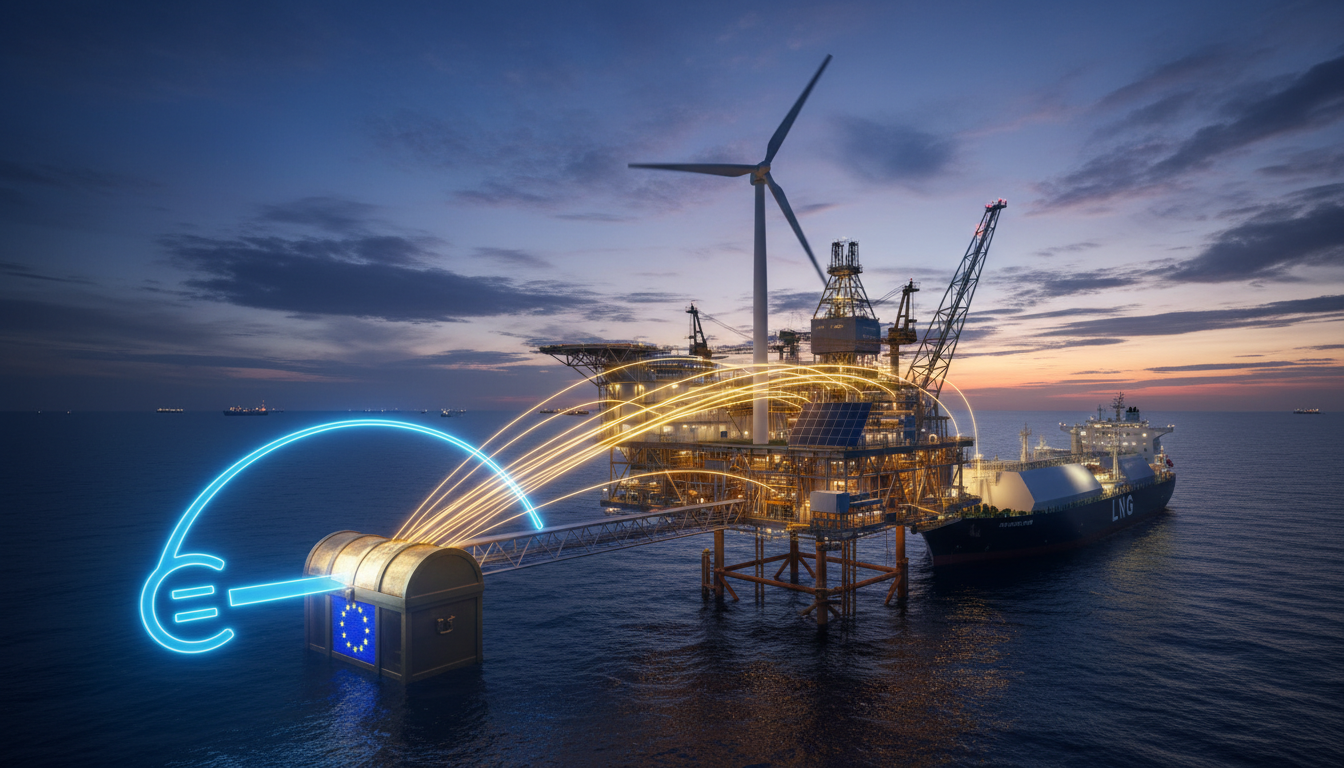
The European Union has initiated a significant capital call, earmarking an indicative budget of EUR 600 million (approximately $703.59 million) to accelerate crucial cross-border energy infrastructure projects. This funding drive targets developments already recognized on the European Commission’s meticulously compiled second list of Projects of Common Interest (PCIs) and Projects of Mutual Interest (PMIs), a roster formally adopted just this month.
For investors tracking Europe’s energy transition, understanding these designations is key. Projects of Common Interest are strategic infrastructure developments designed to integrate and fortify the energy systems across the EU’s 27 member states, directly supporting the bloc’s ambitious climate objectives. Conversely, Projects of Mutual Interest encompass similar transformative initiatives connecting EU nations with their non-EU neighbors, pursuing the same overarching goal of climate resilience and energy independence.
Driving European Energy Integration and Competitiveness
This critical funding initiative operates under the umbrella of the EU’s Connecting Europe Facility for Energy (CEF Energy), a pivotal instrument in shaping the continent’s future energy landscape. The current call specifically invites proposals for both detailed studies and direct construction works, signaling a readiness to transition from planning to tangible execution. Prospective applicants have until September 30, 2026, to submit their funding requests, with the Commission anticipating results to be publicly announced early next year.
Energy and Housing Commissioner Dan Jørgensen underscored the immediate necessity of these investments, noting, “As we are in the middle of a new energy crisis, strengthening our energy system and integrating our markets is urgently needed. It is essential for bringing down energy costs, improving our competitiveness, and integrating more home-grown renewables.” Jørgensen also highlighted that the “Grids Package,” proposed last December, already provides a robust regulatory framework for these cross-border endeavors, positioning the new funding call as the essential financial propellant.
A Strategic Roster of 235 Transformative Projects
On April 9, 2026, the European Commission formally adopted its second comprehensive list of PCIs and PMIs, a collection of 235 high-priority cross-border energy projects. This list builds upon the foundation laid by the first list launched in 2023, representing a continuous, concerted effort to modernize and decarbonize Europe’s energy matrix. These selected projects gain preferential access to EU financing via the Connecting Europe Facility, alongside invaluable benefits such as expedited permitting processes and streamlined regulatory approvals—factors that significantly de-risk and accelerate project delivery for private sector participants.
The Commission has explicitly stated that these cross-continental initiatives will profoundly enhance energy connectivity throughout Europe, propelling the completion of the long-envisioned Energy Union. This integration is not merely about capacity; it is about building a secure, resilient, and sustainable energy future. The sheer scale of the opportunity is evident: a recent Commission study revealed that European energy infrastructure, encompassing electricity grids, hydrogen networks, and CO2 transport systems, will require investments nearing EUR 1.5 trillion between 2024 and 2040. The current project lineup and associated investment volumes are crucial steps towards meeting these colossal long-term needs.
Diversified Investment Opportunities Across the Energy Spectrum
The newly adopted list of 235 projects presents a diversified portfolio of investment opportunities across key segments of the energy sector:
- Power Grid Modernization: One hundred thirteen projects focus on power grids, smart electricity networks, and offshore grids. These are vital for accommodating the rapidly expanding share of renewable energy sources, ensuring grid stability, and optimizing energy flow across borders.
- Hydrogen Economy Acceleration: One hundred projects are dedicated to hydrogen and electrolyzer development. This robust allocation underscores the EU’s commitment to fostering a hydrogen economy, recognizing its role in industrial decarbonization, energy storage, and clean mobility.
- Carbon Capture and Storage Infrastructure: Seventeen projects target carbon transport infrastructure. These initiatives are essential for establishing the backbone of a robust carbon capture, utilization, and storage (CCUS) ecosystem, critical for decarbonizing hard-to-abate industrial sectors.
- Smart Gas Grid Digitalization: Three projects are designed to enhance smart gas grids, focusing on the digitalization and optimization of natural gas networks. While the long-term trend leans towards decarbonization, efficient and modernized gas infrastructure remains a pragmatic necessity during the transition.
- Critical Island Connectivity: Two crucial projects aim to link Malta and Cyprus directly to mainland Europe’s extensive gas network, significantly bolstering energy security and supply reliability for these island nations.
A Progressive Policy Framework for Climate Neutrality
The formal adoption of this project list on April 9, 2026, followed rigorous approval processes by both the European Parliament and Council, as mandated by the Trans-European Networks for Energy (TEN-E) Regulation. This marks the second Union list of PCIs and PMIs established under the revised TEN-E Regulation from 2022. This updated framework represents a pivotal shift, moving away from a historical focus on fossil fuels towards prioritizing low-carbon, resilient, and efficient cross-border infrastructures. The regulation itself sets forth precise criteria for supporting energy infrastructure projects that directly contribute to the Union’s overarching climate and energy objective: achieving climate neutrality by 2050. Such critical lists are adopted biennially, a process that involves extensive stakeholder engagement through region-specific groups and public consultations, ensuring broad input and strategic alignment.
Since its inception in 2014, the Connecting Europe Facility instrument has channeled approximately EUR 8 billion into flagship energy projects, demonstrating a proven track record of catalyzing strategic investments. A prime example of its transformative impact is the Baltic synchronization project, a landmark initiative that successfully delinked the Baltic states from Russia’s electricity grid, embedding these three countries firmly within the integrated EU energy system and significantly enhancing regional energy independence. Investors looking for long-term growth in the energy sector should keenly observe these developments, as the EU continues to strategically deploy capital into the infrastructure required for a sustainable, secure, and integrated European energy market.


