The global oil market is once again demonstrating its intricate dance between geopolitical catalysts and fundamental supply-demand dynamics. Recent hawkish rhetoric from the European Union, signaling a potential tightening of sanctions against Russia, has injected a fresh wave of bullish sentiment into crude prices. However, astute investors understand that the narrative extends far beyond immediate headlines, encompassing a complex interplay of current market data, upcoming events, and persistent investor concerns about the long-term outlook. At OilMarketCap, our proprietary data pipelines reveal a market grappling with short-term price support against a backdrop of underlying volatility and future supply projections, offering both opportunities and risks for the discerning investor.
Sanctions, Short Squeezes, and Shifting Realities
The market’s immediate reaction to the prospect of intensified EU sanctions on Russia has been palpable. The European benchmark futures saw a significant climb, reflecting heightened expectations of supply disruptions, particularly in the already tight diesel market where Russia plays a crucial role. This sentiment is further amplified by reports of Russia’s flagship crude trading at a substantial discount, just days before new US sanctions target key producers Rosneft PJSC and Lukoil PJSC. Such measures are already prompting major Asian buyers to reconsider purchases, and ICE’s impending ban on Russian-origin barrels in third-country physical deliveries adds another layer of complexity to global supply chains.
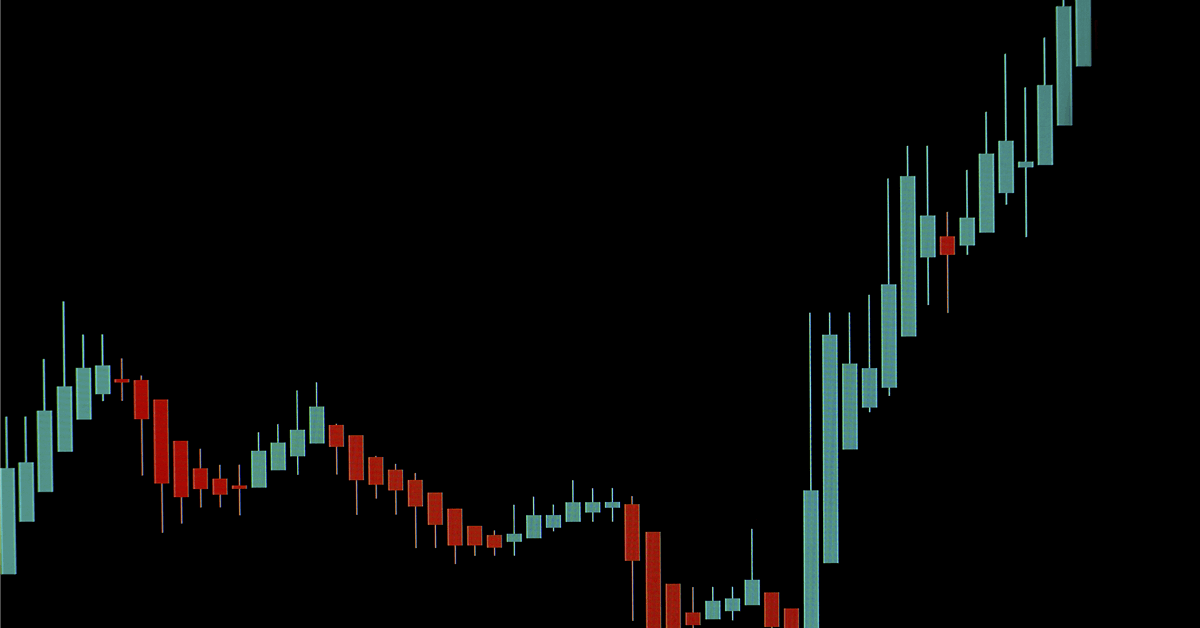
As of today, Brent Crude trades at $94.7 per barrel, marking a -0.82% daily change, within a range of $93.87 to $95.69. West Texas Intermediate (WTI) Crude stands at $86.36 per barrel, down -1.21% for the day, oscillating between $85.5 and $86.78. While these daily movements reflect the immediate impact of geopolitical tensions and trading activity, it’s vital to place them in a broader context. Our 14-day Brent trend data reveals a significant downward trajectory, with prices falling from $118.35 on March 31st to $94.86 on April 20th – a substantial decline of $23.49, or 19.8%. This stark contrast highlights that even as sanction-driven headlines provide short-term price boosts, the overarching market has been grappling with strong bearish pressures. This divergence suggests that while the market remains vulnerable to upside pushes from geopolitical news, sustained rallies require more fundamental support.
Navigating the Glut Conundrum: What Investors Are Asking
Our first-party intent data from the OilMarketCap AI assistant provides invaluable insight into what our readers are truly concerned about. Among the most frequent questions this week are direct inquiries like “is WTI going up or down?” and more strategic predictions such as “what do you predict the price of oil per barrel will be by end of 2026?” These questions underscore a pervasive uncertainty regarding oil’s trajectory, driven by conflicting signals in the market.
On one hand, the immediate impact of sanctions and tight product markets provides bullish momentum. On the other, the specter of a future supply glut looms large. The International Energy Agency (IEA) has notably forecasted a record surplus by 2026, largely driven by the anticipated return of idled output from OPEC+ and increased supplies from non-OPEC producers. This long-term bearish outlook creates a fundamental tension with the short-term, geopolitically-influenced price spikes. Investors are rightly asking how these two forces will reconcile. While the current market maintains WTI stubbornly above the $85 mark, our proprietary trend analysis suggests this floor could be tested if demand signals weaken or if the anticipated supply surge materializes faster than expected. The question for investors is whether current geopolitical premiums are sustainable or merely temporary distractions from a more fundamental rebalancing.
Upcoming Catalysts Shaping the Near-Term Outlook
For investors seeking to position themselves strategically, the next two weeks are packed with critical events that could significantly influence crude price direction. Our proprietary event calendar highlights several key dates:
- April 21 (Tuesday): OPEC+ JMMC Meeting. This meeting holds immense weight. Given the recent 19.8% decline in Brent over the past 14 days, the Joint Ministerial Monitoring Committee’s commentary or recommendations could signal shifts in production policy. Will they maintain current cuts to support prices, or will there be any indication of a loosening of supply, especially if they anticipate a future glut?
- April 22 (Wednesday) & April 29 (Wednesday): EIA Weekly Petroleum Status Reports. These weekly reports from the U.S. Energy Information Administration are crucial for understanding the domestic supply-demand picture, including crude oil, gasoline, and distillate inventories. Significant builds or draws can trigger immediate price reactions, particularly for WTI.
- April 24 (Friday) & May 1 (Friday): Baker Hughes Rig Count. A vital indicator of future production capacity, the rig count offers insight into exploration and production activity in North America. An increasing rig count suggests expanding future supply, while a decline could point to tighter supply down the line.
- April 28 (Tuesday) & May 5 (Tuesday): API Weekly Crude Inventory. The American Petroleum Institute’s data often precedes the official EIA report and can provide an early indication of inventory trends, setting market expectations.
- May 2 (Saturday): EIA Short-Term Energy Outlook. This comprehensive outlook provides the EIA’s updated forecasts for supply, demand, and prices across various energy commodities. It can significantly shift market sentiment regarding the medium-term trajectory of oil prices.
These events offer distinct opportunities for investors to refine their strategies. A hawkish stance from OPEC+ could further support prices in the short term, while a significant inventory build in EIA data could exert downward pressure. Monitoring these data points closely, in conjunction with geopolitical developments, will be paramount for anticipating market shifts.
Strategic Implications for the Discerning Investor
The current oil market is a high-stakes environment demanding a nuanced investment approach. While the immediate threat of tightened EU sanctions on Russia provides an undeniable floor and potential for short-term upside, particularly for refined products, investors must not lose sight of the broader market forces. The significant 14-day decline in Brent, despite daily gains, underscores the underlying vulnerability to bearish pressures, whether from demand concerns or the eventual realization of a supply surplus.
Prudent investors should recognize the dual nature of today’s market: the potential for volatility-driven spikes due to geopolitical headlines and the persistent gravitational pull of longer-term supply forecasts. Diversification, hedging strategies, and a keen focus on both fundamental and geopolitical indicators will be key. While the market has shown a remarkable resilience, with WTI maintaining its position above $85, this does not insulate it from future shocks. Investors asking about the year-end price for 2026 should consider the IEA’s surplus forecast, which suggests any sustained rally from current levels would likely face significant headwinds unless demand surprises substantially to the upside or geopolitical disruptions prove more enduring than anticipated. The smart money will remain agile, leveraging real-time data and forward-looking analysis to navigate this complex energy landscape.


