EU Nuclear For Independence: O&G Demand Pressure
A seismic shift is underway within Europe’s energy landscape, one that could profoundly reshape long-term demand dynamics for traditional fossil fuels. With the continent increasingly prioritizing energy security amidst geopolitical uncertainties and the inherent challenges of intermittent renewable sources, a resurgence of interest in nuclear power is becoming undeniable. This strategic pivot, driven by a desire for greater self-sufficiency, signals a potential recalibration of investment priorities across the entire energy spectrum, with significant implications for oil and gas stakeholders.
Europe’s Nuclear Reawakening: A Strategic Imperative
In recent weeks, the momentum behind nuclear energy across Europe has accelerated dramatically. Nations previously staunchly opposed or indifferent to atomic power are now actively revisiting their stances, seeking to diversify their energy mix and bolster grid stability. This newfound pragmatism is a direct response to the escalating “hidden costs” associated with the widespread integration of certain renewable technologies.
Perhaps most strikingly, Denmark, a country synonymous with wind power and a long-standing ban on atomic energy since 1985, announced in mid-May its intention to explore advanced nuclear technologies. While solar and wind remain core to its green transition, Copenhagen’s Minister for Climate, Energy and Utilities, Lars Aagaard, clarified that the analysis focuses on whether “new nuclear technologies can play a supporting role” rather than replacing existing renewable infrastructure. The focus is specifically on innovative solutions like small modular reactors (SMRs), not a return to conventional large-scale nuclear plants.
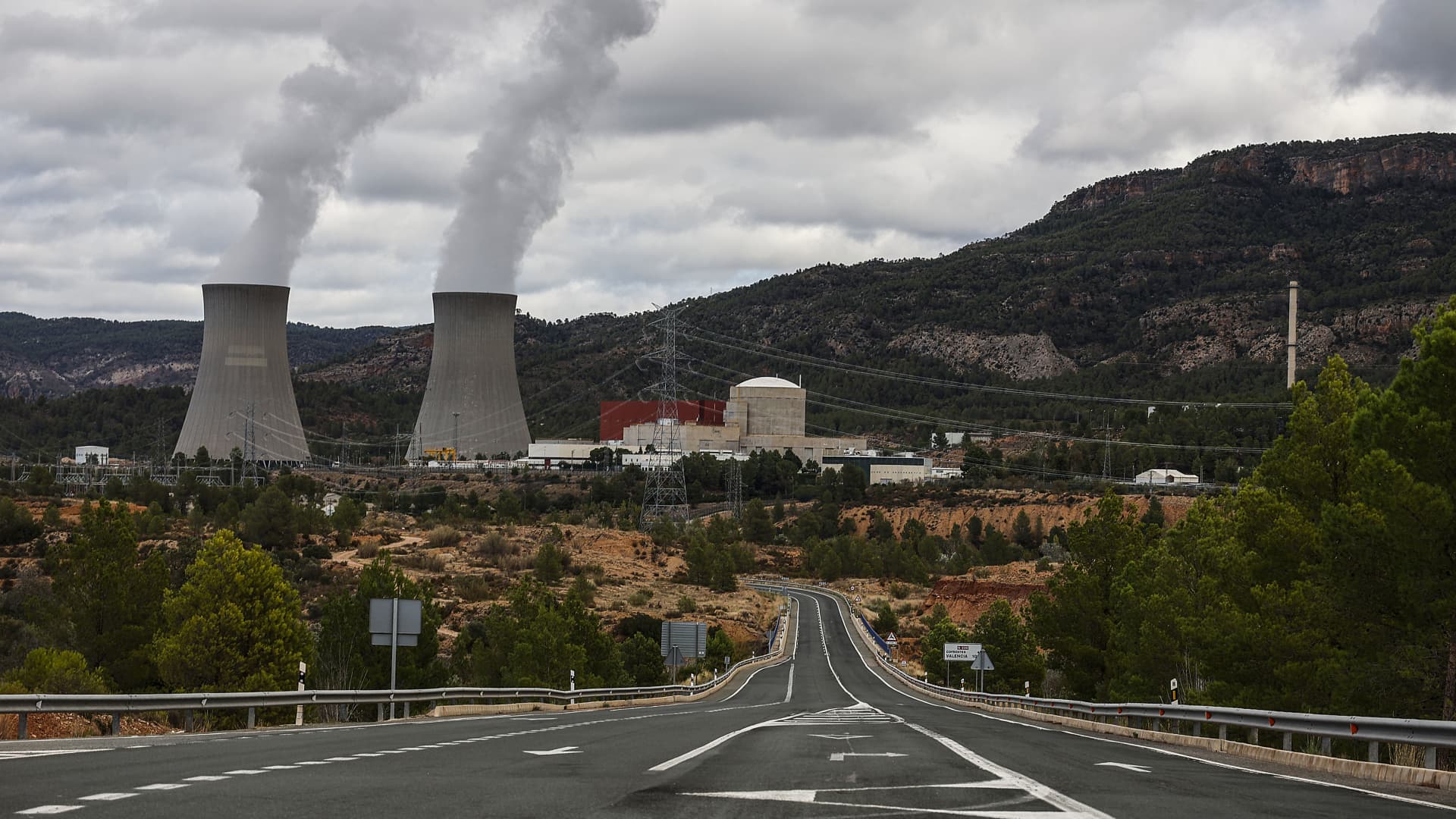
Similarly, Spain, home to facilities like the Cofrentes nuclear power plant in Valencia (pictured on October 17, 2024), has signaled a potential departure from its planned nuclear phase-out. While the government has previously committed to retiring its nuclear reactors by 2035, Environmental Transition Minister Sara Aagesen reportedly indicated late last month that extensions beyond this deadline cannot be definitively ruled out. This flexibility underscores a growing recognition of nuclear’s baseload capacity and its role in maintaining grid resilience.
Even Germany, which famously embarked on an accelerated nuclear exit post-Fukushima, has softened its long-held opposition, reflecting a broader acknowledgment of the technology’s strategic value in achieving energy independence and decarbonization goals simultaneously.
The Economic Drivers Behind the Shift
While the initial push for renewables was largely driven by declining installation costs for solar and wind, the practical realities of integrating these sources into national grids are becoming increasingly apparent. Georg Zachmann, a senior fellow at the Brussels-based think tank Bruegel, points out the paradox: “the cost of main competing technologies, new wind and solar plants, have dropped by more than 80 percent, while those of nuclear plants have rather increased.” Yet, nuclear’s resurgence is not simply about generation cost.
Zachmann highlights the escalating “hidden cost” of balancing and transporting electricity from intermittent renewable sources. As the proportion of wind and solar generation rises, so do the expenses associated with grid stabilization, energy storage, and transmission infrastructure upgrades. These are costs that are increasingly influencing national energy strategies and making the reliable, always-on output of nuclear power more attractive. Nuclear provides crucial baseload power, significantly reducing reliance on gas-fired plants for grid balancing and peak demand, which directly impacts natural gas consumption.
Implications for Oil and Gas Investments
For investors in the oil and gas sector, this European nuclear pivot presents a complex but critical development. While nuclear energy primarily competes with natural gas in the electricity generation mix, its broader impact on Europe’s energy independence agenda could indirectly influence demand for all fossil fuels. A continent less reliant on imported gas for power generation may also become less vulnerable to global energy price volatility, potentially dampening the urgency for some types of upstream oil and gas development.
Specifically, a robust nuclear fleet, especially one augmented by advanced SMR technologies, could significantly reduce Europe’s dependence on natural gas for electricity production. This would free up gas supplies for other industrial uses or potentially lower overall demand, impacting pricing and market stability for liquefied natural gas (LNG) suppliers aiming for the European market. Investors should consider how this shift could alter long-term projections for European gas demand, potentially leading to a more competitive market for suppliers.
Furthermore, the capital allocated to nuclear projects, particularly SMRs, represents a massive investment commitment that could draw funds away from other energy infrastructure projects, including those related to oil and gas. While the timelines for nuclear deployment are long, the strategic intent behind these investments is clear: to establish a resilient, low-carbon, and independent energy future. This long-term vision necessitates a careful re-evaluation of fossil fuel demand trajectories for power generation within the continent.
The Road Ahead: Navigating the Energy Transition
The renewed European interest in nuclear power underscores a maturing understanding of the energy transition. It’s not solely about the cheapest form of generation but also about reliability, security, and grid resilience. For oil and gas investors, this means closely monitoring policy developments, technological advancements in nuclear, and the actual deployment rates of new nuclear capacity across Europe.
While solar and wind will undoubtedly continue to play a foundational role, nuclear energy is re-emerging as a vital component of Europe’s multifaceted strategy to achieve energy independence and decarbonization goals. This evolving landscape demands a nuanced investment approach, recognizing that the long-term fundamentals for oil and gas demand in Europe are increasingly subject to the powerful forces of energy security and technological diversification.