Europe’s Military Decarbonization Lag: A Strategic Opportunity for Conventional Energy Investors?
As Europe gears up for a significant rearmament phase, a critical assessment reveals a striking disconnect between national net-zero ambitions and the reality within its defense sectors. New analysis indicates that merely two out of thirty European nations have committed to a specific deadline for their militaries to cease planet-warming emissions. This significant oversight presents compelling implications for the future demand landscape of conventional oil and gas, signaling a potentially robust, sustained market for energy investors.
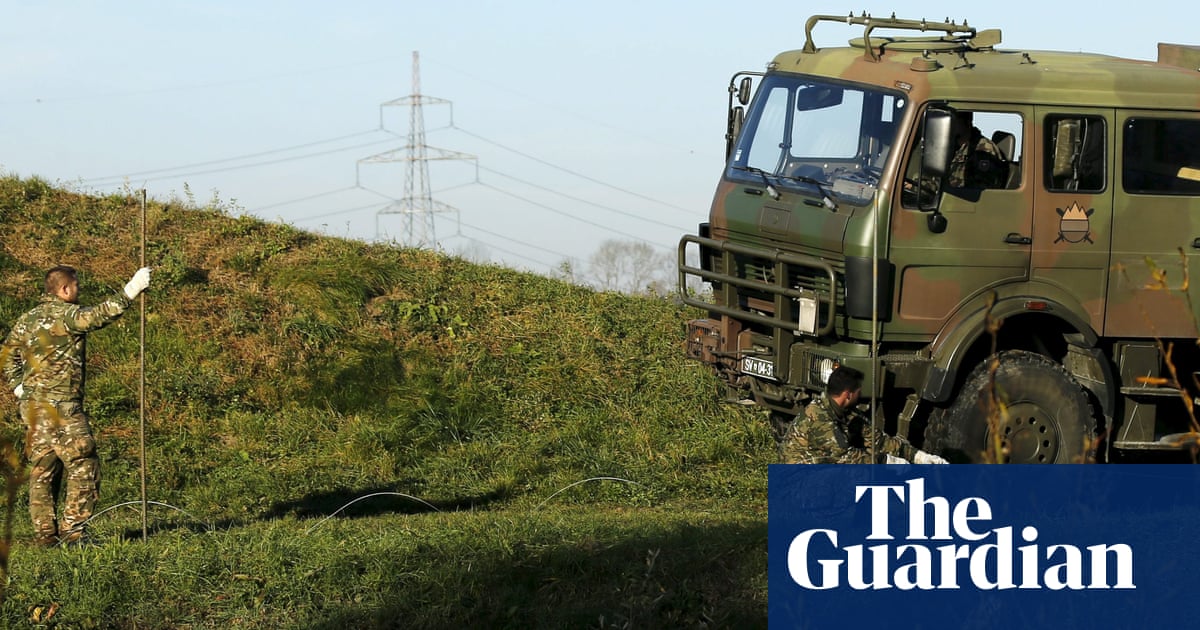
The findings, spanning 27 EU member states, the UK, Norway, and Switzerland – all ostensibly committed to achieving national net-zero emissions by 2050 – highlight a substantial “blind spot” in global carbon accounting. Only Austria and Slovenia’s defense ministries have publicly pledged to reach net-zero operational emissions. Furthermore, approximately one-third of these countries have yet to even accurately quantify their military’s carbon footprint, underscoring a systemic lack of transparency and proactive planning in a sector vital to national security.
The Unreported Carbon Burden of Defense
Experts estimate that the world’s armed forces contribute a significant 5.5% of global emissions. To put this into perspective for investors evaluating sector impacts, this figure surpasses the entire aviation industry’s emissions but falls short of the steel manufacturing sector. However, this substantial environmental footprint often remains hidden in plain sight. International climate treaties, remarkably, do not mandate governments to report military emissions, a phenomenon critics label “military exceptionalism.” This exemption not only undermines broader climate goals but, ironically, could exacerbate the very security risks – such as resource scarcity and increased conflict over water and food – that militaries are designed to mitigate.
For energy market participants, this “exceptionalism” translates into a predictable, sustained demand for traditional hydrocarbon fuels. Without stringent reporting requirements or actionable decarbonization pathways, defense operations will continue to rely heavily on established energy sources, reinforcing the strategic importance of oil and gas suppliers in maintaining national defense capabilities across the continent.
National Goals vs. Operational Realities: A Policy Chasm
A deeper dive into the climate strategies of European defense ministries reveals a stark absence of both short-term targets for aggressive emissions reductions and long-term blueprints for achieving net-zero impact. Leading economies like Germany, the Netherlands, Greece, and the UK, while acknowledging their defense sectors “contribute” to national net-zero commitments, have refrained from establishing specific, independently accountable targets for their armed forces.
This strategic hesitation is often rooted in a prioritization of operational effectiveness over environmental targets. A spokesperson for the German Ministry of Defence articulated this sentiment clearly, stating, “Our overriding goal is and remains the preservation of peace. Climate protection must not come at the expense of the performance of our weapon systems.” This perspective, widely echoed across European capitals, effectively signals that the transition away from high-density, reliable fossil fuels for critical military hardware and logistics remains a distant prospect, if considered at all. Investors should interpret this as a strong indicator of continued, resilient demand from a high-stakes, inelastic customer base.
Selective Decarbonization: A Limited Horizon
While a widespread commitment to military decarbonization remains elusive, some nations have adopted partial or segmented approaches. The British Royal Air Force stands out with an ambitious net-zero target set for 2040 – a full decade ahead of the UK’s national climate pledge. However, this forward-thinking initiative does not extend to other branches of the British armed forces. A UK government representative affirmed the defense ministry’s commitment to national climate goals “while maintaining or enhancing operational advantage,” reiterating the primacy of combat readiness.
Similarly, Belgium’s defense ministry targets climate-neutral infrastructure by 2040, and Portugal aims for carbon neutrality in “mission support activities” by 2050. These examples illustrate a focus on less critical, non-combat-related areas. As a Portuguese defense ministry spokesperson explained, “Fully replacing all weapon systems or offsetting their emissions is economically unfeasible, which is why efforts are focused on support areas where this objective is attainable.” This pragmatic acknowledgment of the immense cost and logistical complexity associated with decarbonizing core military assets – from tanks and jets to naval vessels – solidifies the near-term reliance on conventional fuels. For oil and gas companies, this implies a continued lucrative market in supplying the operational backbone of European defense.
Investment Implications: Fueling Europe’s Defense Future
The confluence of Europe’s impending rearmament, the geopolitical imperative for robust defense capabilities, and the significant lag in military decarbonization creates a compelling narrative for investors in the traditional energy sector. The absence of comprehensive, ambitious net-zero targets across the vast majority of European defense ministries signals a sustained, high-volume requirement for conventional oil and gas products for the foreseeable future. This includes jet fuel for air forces, diesel for ground vehicles and naval fleets, and various other petroleum products essential for logistics and infrastructure.
Companies positioned to supply these critical energy inputs stand to benefit from long-term contracts and stable demand from sovereign entities. While the broader energy transition gains momentum, the unique operational demands and security priorities of the defense sector insulate it, to a significant degree, from the immediate pressures of rapid decarbonization. This provides a strategic cushion for traditional energy portfolios, offering a reliable revenue stream in an otherwise evolving energy landscape.
Investors should monitor defense spending trends closely, as increased budgets for military readiness will directly translate into higher energy consumption. The ongoing geopolitical volatility reinforces the need for strong defense, making the energy supply chain to military operations a critical and inelastic component of national security. While long-term risks of eventual policy shifts towards decarbonization remain, the near-to-medium term outlook for conventional fuel demand from Europe’s defense sector appears robust and strategically significant for the oil and gas industry.