EU Eases ESG Burden on O&G, Signaling a Pragmatic Shift
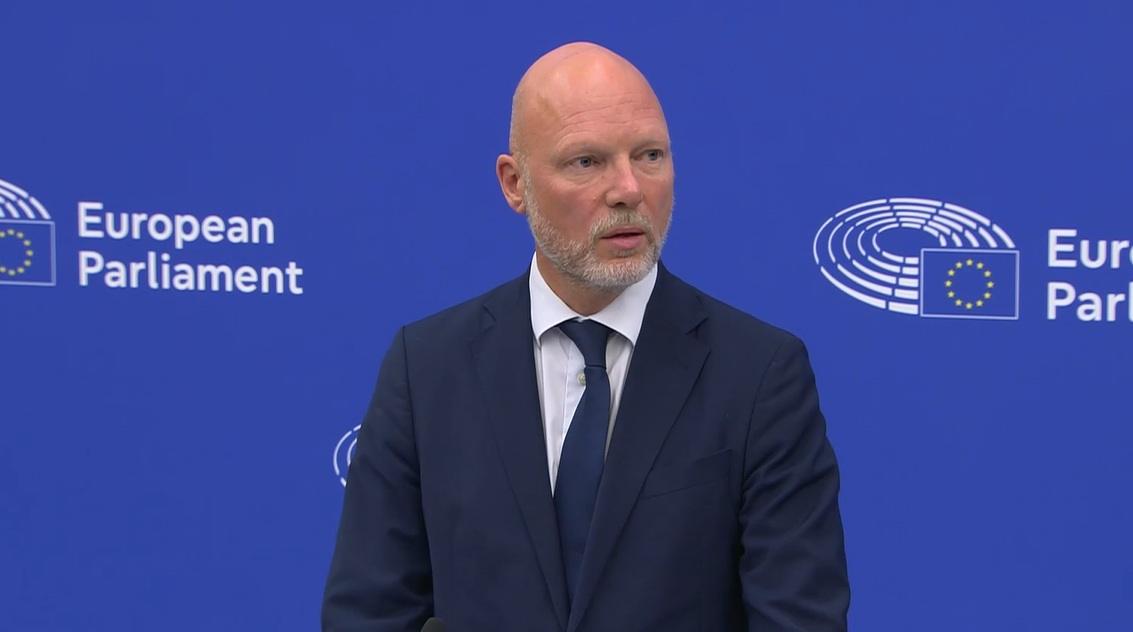
The European Union has taken a significant step towards streamlining corporate sustainability mandates, approving the Omnibus I package to scale back reporting and due diligence requirements. This move, which passed the EU Parliament with a substantial majority, marks a pivotal moment for the oil and gas sector, particularly for firms operating within or exposed to the European market. While ESG considerations remain a core component of long-term investment strategies, this regulatory recalibration offers a tangible reduction in administrative overhead and compliance costs, potentially freeing up capital and management focus for core operational efficiencies and energy security initiatives. For investors, understanding the nuances of these changes is crucial to assessing their impact on future earnings, operational flexibility, and strategic positioning of O&G companies.
Regulatory Relief Arrives Amidst Market Volatility
The timing of this regulatory adjustment is particularly noteworthy, coinciding with a period of significant volatility in crude markets. As of today, Brent crude trades at $91.87 per barrel, marking a sharp 7.57% decline, with WTI not far behind at $84, down 7.86%. This recent downturn extends a broader trend, with Brent having fallen by $20.91, or 18.5%, from its high of $112.78 just two weeks prior on March 30th. For oil and gas companies, navigating such price fluctuations demands agile capital management and cost control. The EU’s decision to narrow the scope of sustainability reporting under the Corporate Sustainability Reporting Directive (CSRD) to companies with over 1,000 employees and €450 million in annual turnover, effectively removing approximately 90% of firms from its direct purview, offers a welcome reduction in non-core expenditures. This relief allows firms to redeploy resources towards maintaining operational resilience and optimizing production in a challenging price environment, potentially bolstering profitability when margins are under pressure.
Operational and Strategic Implications for European O&G
The amendments to the Corporate Sustainability Due Diligence Directive (CSDDD) are even more far-reaching, directly impacting the strategic planning and risk management frameworks for many O&G players. Due diligence obligations will now apply only from 2029 and solely to companies exceeding 5,000 employees and €1.5 billion in annual revenue. This significant delay and increased threshold will grant large European energy companies, and non-EU entities with substantial European operations, a longer runway to adapt. Critically, the removal of mandatory climate transition plans aligned with the Paris Agreement, along with the elimination of the EU-wide civil liability regime, represents a material shift. Companies will now adopt a risk-based approach to value chain due diligence, focusing on areas of highest potential impact. This change reduces the immediate legal and financial exposure for firms, allowing for more pragmatic and less prescriptive approaches to managing their environmental and social footprint, potentially fostering greater investment in domestic energy projects where regulatory friction has been a deterrent.
Addressing Investor Concerns: Future Prices and Company Performance
Our proprietary reader intent data reveals a keen investor focus on the trajectory of oil prices and the performance of specific O&G entities. Investors are actively seeking predictions for crude oil prices by the end of 2026 and are inquiring about the anticipated performance of companies like Repsol in the current market. This regulatory easing in the EU could indirectly influence these factors. By reducing the administrative and compliance costs associated with ESG, European O&G firms may see improved operational efficiencies and clearer pathways for capital allocation. This could translate into stronger financial performance, particularly for mid-cap firms that might now fall outside the stringent reporting requirements, allowing them to allocate more capital to exploration, production, or M&A opportunities rather than compliance teams. For larger players, the delayed CSDDD implementation provides a buffer, enabling them to strategically phase in their due diligence processes without immediate, prohibitive costs, which could be reflected positively in their long-term value propositions.
Upcoming Catalysts and the Path Forward
Looking ahead, the formal approval of the Omnibus I package by the Council of the European Union remains the final legislative hurdle before its full implementation 20 days after publication. This impending finalization coincides with a series of critical events in the global energy calendar that could further shape investor sentiment and O&G strategies. An OPEC+ Ministerial Meeting is scheduled for April 18th, where crucial decisions on production quotas will undoubtedly influence global supply dynamics. Following this, investors will closely monitor weekly crude inventory reports from API on April 21st and EIA on April 22nd, along with the Baker Hughes Rig Count on April 24th, all of which provide vital insights into short-term supply and demand balances. Against this backdrop, the EU’s move to lessen regulatory burdens could empower European O&G companies to respond more dynamically to market signals, potentially encouraging increased investment in production capacity if OPEC+ decisions or inventory data suggest tightening supply, thereby bolstering the region’s energy security and offering a more attractive investment climate for domestic and international capital.


