The European Union, long a global vanguard of ambitious climate policy, appears to be undergoing a significant and rapid recalibration of its environmental agenda. What began as whispers of regulatory fatigue has quickly escalated into a tangible rollback of core tenets of the European Green Deal. For oil and gas investors, this pivot is not merely political theater; it represents a fundamental shift in the continent’s energy trajectory, potentially altering demand profiles and investment landscapes for years to come. This analysis delves into the nuances of this policy reversal, its implications for crude markets, upcoming catalysts, and where savvy investors might find unexpected upside.
The EU’s Green Retreat: A Strategic Reassessment
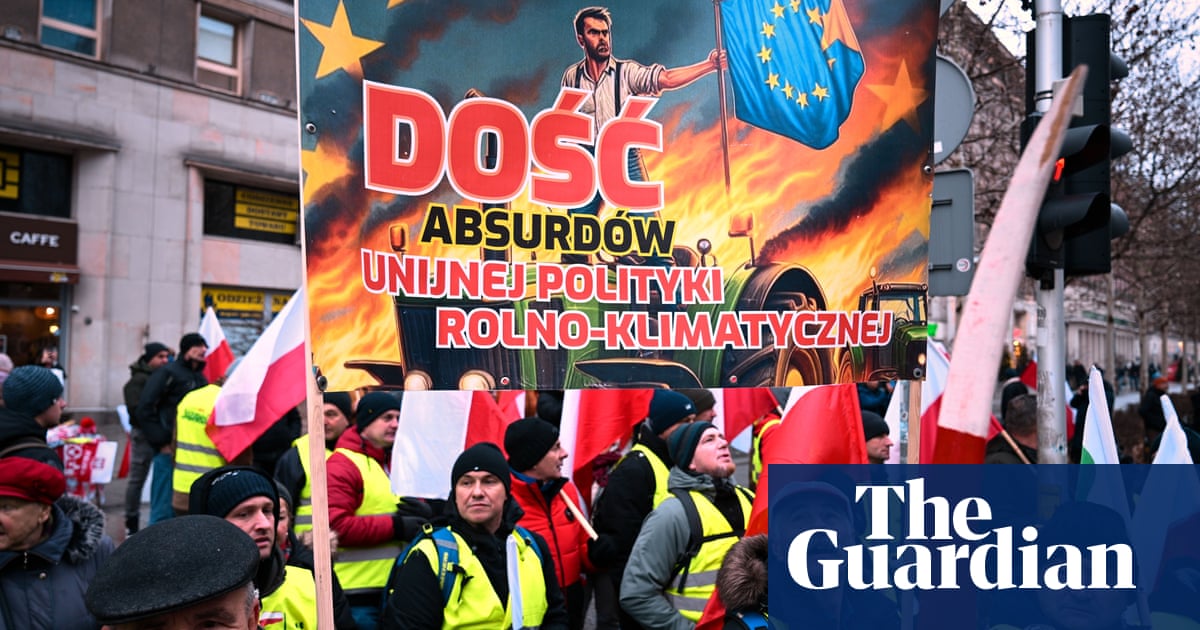
Over the past six months, and with increasing momentum since late 2023, the European Commission has initiated a substantial deregulation drive that is catching many by surprise. This isn’t just minor legislative tweaking; we are witnessing a broad-based move to “radically lighten the regulatory load” on businesses and citizens. Key examples include the dilution and even suspension of sustainable finance rules, with member states actively pushing for further weakening. Laws aimed at preventing deforestation in supply chains have been delayed by a year, carmakers received a two-year extension to meet pollution targets, and an anti-greenwashing law appears to have been shelved. These actions signal a profound shift in priorities, driven by a combination of factors: a perceptible rightward swing in public opinion ahead of the 2024 parliamentary elections, widespread farmer protests highlighting the economic burden of green policies, and a new Commission mandate emphasizing competitiveness. This isn’t a temporary blip; it reflects a strategic reassessment of the pace and cost of the energy transition, recognizing the realities of economic pressures and energy security. For investors, this implies a potentially longer runway for traditional energy sources within the EU, and a reduced immediate threat of stringent demand-side regulation that had previously cast a shadow over European fossil fuel investments.
Market Dynamics and European Demand Outlook
Against this backdrop of softening EU green policy, the immediate crude market picture presents a complex narrative. As of today, Brent Crude trades at $90.38, reflecting a notable 9.07% decline within the day, with a range between $86.08 and $98.97. Similarly, WTI Crude stands at $82.59, down 9.41%. This recent weakness is part of a broader trend, with Brent having shed over 18.5% ($-20.91) from its $112.78 high just 14 days ago. While external macroeconomic headwinds and global supply dynamics certainly play a role in this recent downward pressure, the EU’s policy shift introduces a significant counter-narrative, particularly for the demand side. Our proprietary reader intent data reveals a keen interest in the future trajectory of oil prices, with many asking for predictions on crude prices by the end of 2026. While short-term volatility persists, the easing of EU green policies could provide a crucial floor or even upward pressure on long-term price forecasts by mitigating what was previously seen as an aggressive timeline for European fossil fuel demand destruction. A less aggressive transition implies sustained demand for refined products and natural gas within one of the world’s largest economic blocs, a factor that could rebalance global supply-demand models and potentially limit the downside for crude prices over the medium term.
Navigating Upcoming Events: OPEC+ and Inventory Signals
The implications of the EU’s policy recalibration extend directly into the forthcoming global energy calendar, shaping how key players might interpret market signals. Investors will be closely watching the OPEC+ Joint Ministerial Monitoring Committee (JMMC) meeting tomorrow, April 18th, followed by the full Ministerial Meeting on April 19th. Our readers frequently inquire about OPEC+ production quotas, underscoring the market’s sensitivity to these decisions. A less stringent European green agenda could be perceived by OPEC+ as a signal of more stable, or even slightly increased, global demand for crude, potentially influencing their production strategies. While direct policy changes won’t be immediate, the sentiment shift could lean towards maintaining current output levels or even considering modest increases if demand signals appear robust. Furthermore, the upcoming API Weekly Crude Inventory reports on April 21st and 28th, along with the EIA Weekly Petroleum Status Reports on April 22nd and 29th, will provide crucial insights into the immediate supply-demand balance in the US. These, combined with the Baker Hughes Rig Count on April 24th and May 1st, will offer a granular view of producer activity and inventory levels. For investors, the EU’s policy easing adds a new layer to interpreting these data points; if inventories draw down more slowly than expected, or if rig counts remain subdued, the perceived “stickiness” of European demand in a less regulated environment could bolster the bullish case for a tighter market balance in the latter half of the year.
Investment Implications: Re-evaluating European Exposure
The European Union’s shift away from its aggressive Green Deal targets necessitates a strategic re-evaluation for oil and gas investors, particularly those with exposure to the continent. Our reader analytics indicate strong interest in the performance of European players, with questions like “How well do you think Repsol will end in April 2026?” directly reflecting this focus. Companies like Repsol, alongside other integrated European majors and regional refiners, stand to benefit from a regulatory environment that is less hostile to traditional energy operations. Reduced compliance costs, fewer delays in project approvals, and a less aggressive timeline for phasing out fossil fuels could significantly improve their operational margins and investment certainty. This reversal might also open new opportunities in natural gas infrastructure and conventional oil exploration within Europe, areas that were previously seen as high-risk due to impending green legislation. Investors should consider increasing their exposure to European-focused energy companies, particularly those with a diversified portfolio that can capitalize on both the continued demand for hydrocarbons and any slower, more pragmatic transition initiatives. The era of relentless regulatory pressure in Europe may be giving way to a more balanced, competition-focused approach, creating unexpected upside for those positioned to adapt.


