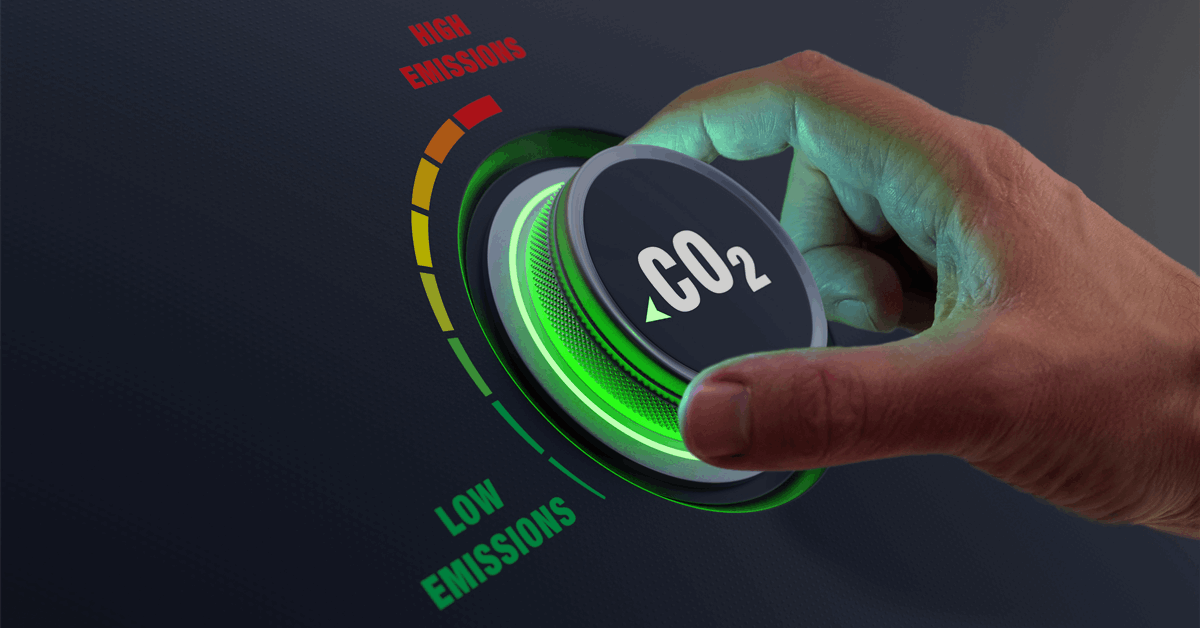
The European Union has unveiled an ambitious proposal to slash its net greenhouse gas emissions by 90 percent by 2040, benchmarked against 1990 levels. This significant step marks a critical intermediate milestone on the path to achieving a climate-neutral economy across the bloc by 2050, profoundly reshaping the investment landscape for the oil and gas sector.
This newly proposed 2040 target, put forth by the European Commission, is distinct from the existing 2030 objective, which mandates a 55 percent net reduction and is supported by a suite of binding policy instruments. While the 2030 target carries prescriptive measures, the 2040 proposal emphasizes flexibility for member states, refraining from dictating specific technologies or policies. This approach aims to allow individual nations to tailor their decarbonization strategies within the overarching regulatory framework designed to meet emission reduction goals.
Strategic Intent Behind the 2040 Target
The Commission’s recommendation for a 90 percent cut by 2040 stems from a comprehensive impact assessment. This study concluded that a reduction within the 90-95 percent range represents the most proportionate trajectory for the EU economy to reach climate neutrality by 2050. Furthermore, it aligns the Union’s efforts with the global climate action objectives enshrined in the Paris Agreement, specifically targeting a limit on global temperature increase to well below 2ºC above pre-industrial levels, with an ongoing pursuit to cap it at 1.5°C.
The rigorous impact assessment meticulously evaluated progress towards the existing 2030 reduction goal. It leveraged sophisticated economic modeling to project emission trends across various sectors and analyze the technological advancements necessary to achieve net-zero emissions. This analytical backbone provides a robust foundation for the proposed 2040 target, indicating a well-researched and deliberate strategic direction.
Navigating the Path to 2030 and Beyond
Despite the ambitious nature of the new 2040 proposal, an analysis published in May indicated that the European Union is currently on course to meet its 2030 emission reduction target. However, this projection comes with a crucial caveat: it assumes the full implementation of National Energy and Climate Plans by all 27 member states. Moreover, the analysis highlighted that achieving the 2030 aim will necessitate efforts extending beyond current policies, underscoring the continuous need for enhanced action and innovation across the bloc.
For investors in the oil and gas industry, this signals an accelerating pace of energy transition within Europe. The commitment to aggressive decarbonization targets implies sustained pressure on fossil fuel demand, necessitating strategic reassessments of European assets and future capital allocation. Companies with significant exposure to European markets must factor in these escalating regulatory and environmental pressures into their long-term planning.
Critical Flexibilities and Carbon Market Implications
A central element of the Commission’s strategy for the 2040 target revolves around the concept of “flexibilities.” These crucial provisions will inform the design of future legislative instruments aimed at achieving the 90 percent reduction. Key flexibilities include a limited but strategic role for high-quality international carbon credits, which are projected to be integrated starting in 2036. Additionally, the proposal allows for the use of domestic permanent removals within the EU Emissions Trading System (ETS), a mechanism designed to incentivize carbon capture and storage or other negative emission technologies.
Further enhancing adaptability, the framework will permit greater flexibilities across diverse sectors. This cross-sectoral approach aims to facilitate target achievement in a cost-effective and socially equitable manner. For instance, a member state could potentially offset underperformance in the land use sector by overachieving in reducing emissions from waste and transport. For oil and gas investors, these flexibilities introduce new dynamics into carbon markets, potentially influencing carbon prices and creating investment opportunities in carbon capture, utilization, and storage (CCUS) or nature-based solutions.
Enabling Conditions for a Competitive Transition
The Commission’s proposal places significant emphasis on cultivating the right enabling conditions to support the ambitious 90 percent target. These conditions are paramount for ensuring a successful and sustainable transition. They include fostering a competitive European industry capable of innovating and thriving in a low-carbon economy, ensuring a fair transition that minimizes social disruption and leaves no community behind, and establishing a level playing field with international partners to prevent carbon leakage and maintain economic competitiveness.
These enabling conditions are vital considerations for oil and gas companies. A competitive industry implies a robust ecosystem for green technologies, potentially shifting investment away from traditional fossil fuel infrastructure. A fair transition might involve support for workers in sunset industries, but also new regulatory burdens on existing operations. The emphasis on a level playing field suggests continued attention to carbon border adjustment mechanisms and international climate policy harmonization, which could impact the competitiveness of imported fossil fuels.
The Road Ahead for EU Climate Policy and O&G Investors
Before becoming law, this groundbreaking proposal requires extensive discussion and approval by both the European Parliament and the Council. This consultation process will involve substantial engagement with national governments, civil society organizations, citizens, and other key stakeholders, as has already occurred during the proposal’s formalization stage. The involvement of Commission President Ursula von der Leyen underscores the strategic importance of this initiative for the European Union’s long-term climate agenda.
For oil and gas investors, the EU’s unwavering commitment to aggressive decarbonization presents both formidable challenges and potential opportunities. The sustained push for reduced emissions means a shrinking market for traditional fossil fuels within the bloc, necessitating strategic shifts towards renewables, hydrogen, and carbon management solutions. Companies that proactively adapt their portfolios, invest in new energy technologies, and integrate robust ESG frameworks will be better positioned to navigate this evolving regulatory and market landscape. The 2040 target is not merely an environmental goal; it is a clear signal for a fundamental reorientation of capital and strategy across the European energy complex, with profound implications for global oil and gas markets.