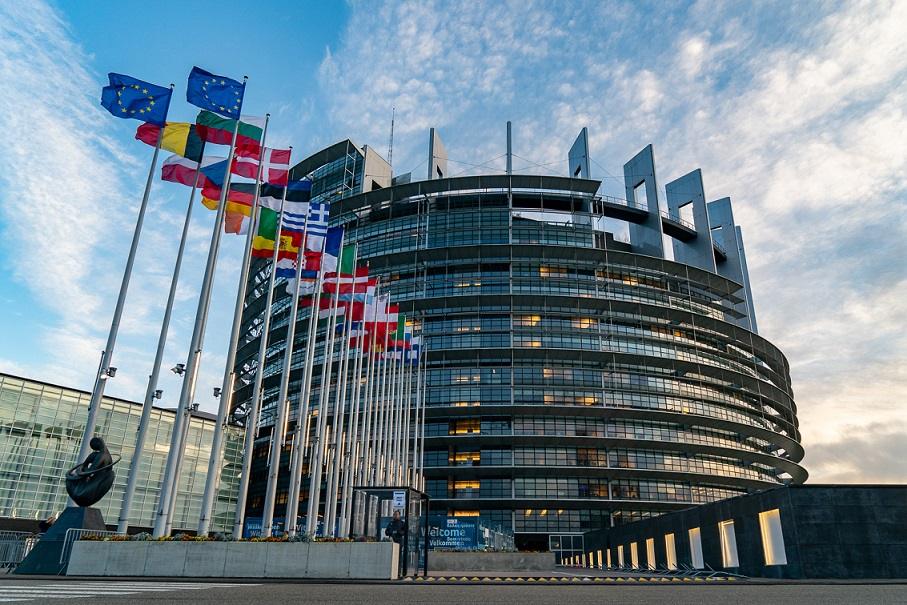
The European Union has delivered a significant policy pivot, reaching a landmark agreement on its Omnibus I initiative that promises substantial reductions in sustainability reporting and due diligence regulations. This move, aimed squarely at boosting European competitiveness and easing corporate compliance burdens, has profound implications for the energy sector. For oil and gas investors, this isn’t merely a bureaucratic tweak; it represents a tangible shift in the operating landscape, potentially unlocking value and enhancing agility for companies navigating a complex and often volatile global market.
EU’s Regulatory Reset: A Strategic Shift for Energy Firms
The core of the EU’s decision lies in dramatically scaling back the scope of key environmental, social, and governance (ESG) directives. The Corporate Sustainability Due Diligence Directive (CSDDD), which previously cast a wide net, will now apply only to the largest businesses, specifically those with 5,000 employees or more and revenues exceeding €1.5 billion. This represents a monumental increase from earlier proposals and significantly reduces the number of companies obligated to conduct extensive due diligence on human rights and environmental impacts across their value chains. Similarly, the Corporate Sustainability Reporting Directive (CSRD) will also see its thresholds raised, now covering companies with over 1,000 employees and €450 million in revenue, a substantial cut from the prior 250-employee threshold. Furthermore, the CSDDD will transition from an entity-based approach to a more pragmatic “risk-based approach” for due diligence, allowing companies to focus their efforts where the most material risks lie rather than applying a blanket standard.
Cost Savings and Enhanced Agility Amidst Market Volatility
For oil and gas companies with significant European exposure, these regulatory adjustments translate directly into reduced compliance costs and increased operational flexibility. In a market characterized by persistent volatility, such relief is not just welcome but crucial. As of today, Brent crude trades at $90.38 per barrel, marking a sharp 9.07% decline within the day, while WTI crude stands at $82.59, down 9.41%. This immediate market turbulence follows a broader trend, with Brent having fallen nearly 20% from $112.78 just two weeks ago. In such an environment, every dollar saved on administrative and reporting burdens is a dollar that can be reinvested into core operations, exploration, or capital returns. Reduced ESG reporting overhead means energy companies can streamline internal processes, reallocate personnel, and focus more intently on energy security and supply optimization, tasks that are paramount given geopolitical uncertainties and evolving demand dynamics. This shift effectively lowers the cost of doing business in Europe for many energy players, making the region potentially more attractive for investment.
Navigating Investor Questions and Upcoming Market Catalysts
Our proprietary data indicates investors are keenly focused on the future trajectory of oil prices by the end of 2026 and the performance of specific European energy majors, such as Repsol. The EU’s decision to ease ESG burdens directly impacts the investment thesis for these companies. By reducing the regulatory drag, European energy firms could see improved profitability margins and greater capacity for strategic maneuvering. This newfound agility is particularly relevant as the market braces for a series of critical upcoming events. The OPEC+ Joint Ministerial Monitoring Committee (JMMC) and Ministerial Meetings on April 19th and 20th, respectively, are poised to set the near-term supply landscape, with potential implications for global crude prices. Following these, the API and EIA Weekly Crude Inventory reports on April 21st and 22nd, and again on April 28th and 29th, will provide crucial insights into demand and storage levels. For EU-based energy companies, a lighter regulatory load means they are better positioned to respond to any market shifts arising from these announcements, whether it’s adjusting production schedules or optimizing supply chains. This responsiveness could be a key differentiator in a competitive global market, potentially bolstering the investment appeal of these firms.
The Future of ESG in Europe: Pragmatism Over Prescription
The shift to a “risk-based approach” for due diligence is particularly noteworthy. While it might seem like a watering down of ESG principles, it can also be interpreted as a move towards greater pragmatism. Instead of mandating a one-size-fits-all reporting framework, companies are now encouraged to identify and address their most material human rights and environmental risks more efficiently. For the oil and gas sector, this could mean a more tailored approach to managing issues like carbon emissions, water usage, and community relations, rather than expending resources on extensive reporting that may not always align with their most significant impacts. This allows for a more strategic deployment of resources towards actual sustainability improvements rather than purely compliance-driven activities. Investors should view this as an opportunity for companies to demonstrate genuine progress on critical ESG factors, even with reduced formal reporting, potentially fostering more impactful and credible sustainability initiatives in the long run.
In essence, the EU’s latest regulatory overhaul marks a significant pivot towards balancing ambitious sustainability goals with the urgent need for economic competitiveness. For oil and gas investors, this translates to a potentially more favorable operating environment within the bloc, offering regulatory relief and enhanced flexibility at a time when market dynamics demand maximum agility. Companies that strategically leverage these changes to optimize operations and maintain a pragmatic approach to sustainability are likely to emerge as stronger contenders in the evolving energy landscape.


