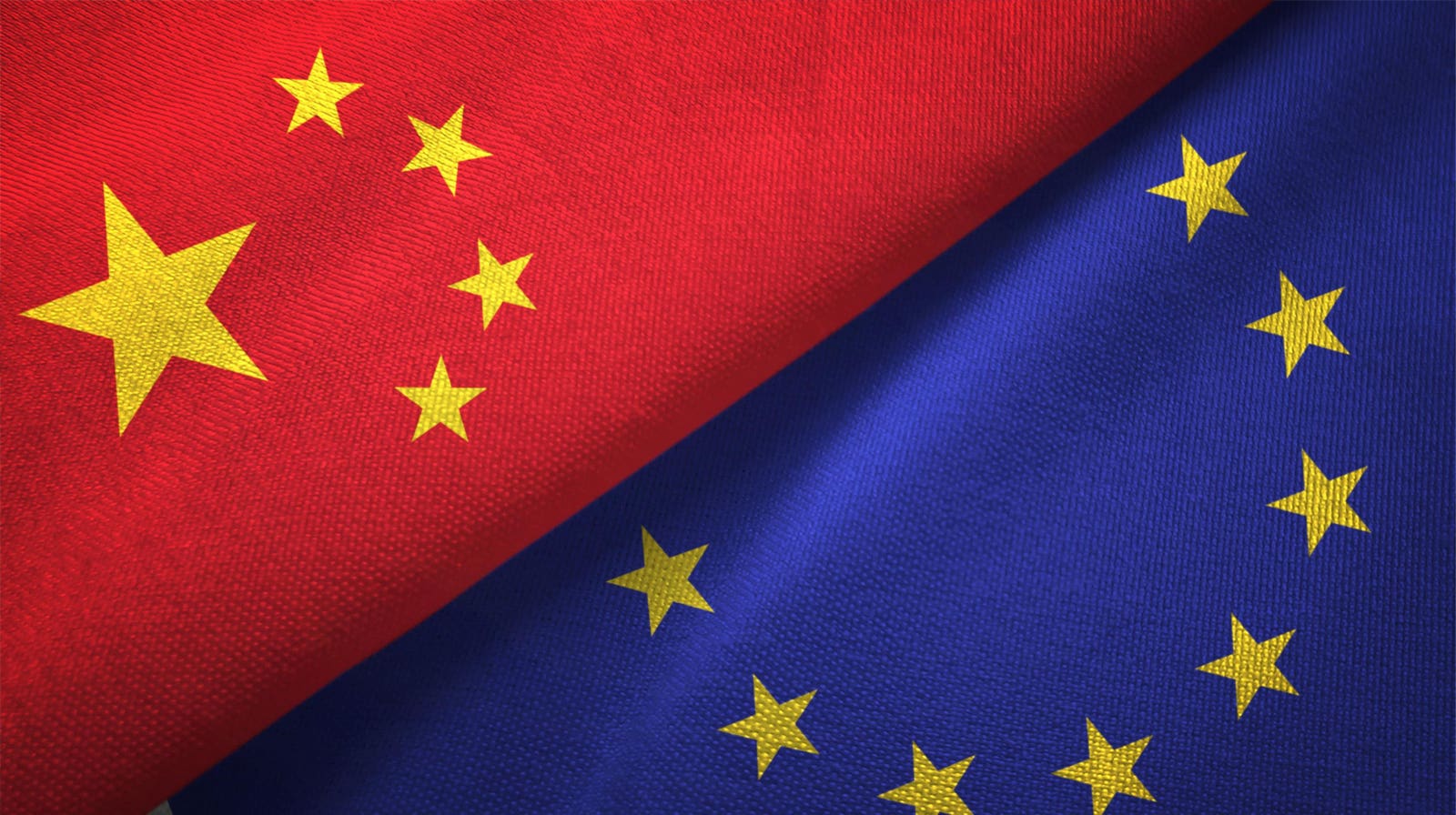
The global energy landscape is undergoing a profound reorientation, and a recent high-level summit between the European Union and China in Beijing has underscored this tectonic shift. While geopolitical tensions dominated much of the late July discussions, an unexpected area of robust cooperation emerged: green energy. This alignment between two major economic blocs, occurring amidst a backdrop of strategic disengagement from the United States on climate initiatives, carries significant implications for oil and gas investors worldwide.
Geopolitical Undercurrents and Strategic Alignment
The summit, featuring Chinese President Xi Jinping, European Commission President Ursula von der Leyen, and European Council President Antonio Costa, was fraught with diplomatic challenges. European leaders firmly resisted China’s efforts to secure new trade channels that would bypass existing U.S. tariffs, conditioned on Beijing ceasing its support for Russia. Furthermore, reports indicated a lack of consensus on critical mineral initiatives and addressing trade imbalances. Despite these deep-seated disagreements, the collaborative stance on green energy stood out as a pivotal development.
Both Brussels and Beijing issued a joint declaration affirming their commitment to accelerating the development and deployment of green energy technologies, alongside reaffirming their support for the Paris Climate Agreement. This commitment starkly contrasts with the previous U.S. administration’s withdrawal from the accord, creating a vacuum in global climate leadership that China and the EU appear eager to fill. For Europe, this cooperation signals a pathway to greater strategic autonomy, reducing reliance on traditional energy sources while securing access to affordable, mass-produced green technologies essential for its ambitious energy transition goals. China, in turn, gains vital access to advanced economies and crucial export markets for its burgeoning green tech industries, including solar panels and electric vehicles.
China’s Unstoppable Green Energy Ascendancy
While the immediate gains from the summit might appear modest, the long-term strategic advantage seems to weigh heavily in China’s favor. As the United States adopts what many observers term a stance of “climate isolationism,” China is rapidly consolidating its position as the undisputed global leader in renewable energy. The numbers are compelling: China currently accounts for a staggering 40% of the world’s total renewable energy capacity. In 2024 alone, the nation invested an estimated $818 billion in green energy initiatives, according to data from the World Economic Forum, showcasing an unparalleled commitment to decarbonization and technological leadership.
The sheer scale and speed of China’s green energy deployment are remarkable. Between January and May 2025, the country installed enough new wind and solar power capacity to generate as much electricity as the entire nations of Indonesia or Turkey. Furthermore, the think tank Ember Energy estimated that in just the first few months of 2025, China produced solar capacity equivalent to its entire output for the year 2020. These record-breaking installations in solar and wind power are merely indicators of a broader dominance extending across the entire green energy supply chain, from manufacturing to critical minerals.
Implications for Oil and Gas Investors
For investors in the traditional oil and gas sector, these developments demand careful consideration and strategic re-evaluation. The accelerated green energy push by the EU and China, two of the world’s largest energy consumers, will inevitably impact long-term fossil fuel demand forecasts. Increased deployment of renewables directly displaces thermal power generation, leading to potential reductions in natural gas consumption and, to a lesser extent, oil for transport as EV adoption rises.
Oil and gas companies must assess the longevity of their existing asset portfolios, particularly those tied to power generation. Capital allocation decisions need to factor in this intensifying global pivot towards renewables, with a critical eye on projects that may face stranded asset risks in the coming decades. Furthermore, the strategic autonomy pursued by Europe through green energy collaboration with China highlights a growing emphasis on energy security that prioritizes domestic or geopolitically aligned clean sources over potentially volatile fossil fuel imports.
However, this shift also presents opportunities. Oil and gas giants with robust balance sheets could strategically pivot or invest in adjacent sectors that support the green transition, such as hydrogen production (especially green hydrogen utilizing renewable electricity), carbon capture, utilization, and storage (CCUS) technologies, or the development of essential grid infrastructure and energy storage solutions. Expertise in large-scale project management and complex engineering, inherent to the oil and gas industry, could be leveraged in these emerging green sectors.
The “climate isolationism” of the U.S. also creates a divergent market dynamic. While China and the EU drive innovation and scale in renewables, U.S. fossil fuel producers might face different regulatory and market pressures. Investors should monitor how this divergence impacts global competitiveness and trade flows, particularly as carbon border adjustment mechanisms become more prevalent.
Navigating the Evolving Energy Landscape
The EU-China green energy collaboration is more than just an environmental pact; it is a powerful signal of a recalibrating global order. With China firmly cementing its role as a renewable energy superpower and Europe actively seeking to de-risk its energy supply through green technologies, the momentum away from fossil fuels in these key economic regions is undeniable. Oil and gas investors must keenly analyze these evolving geopolitical and technological currents, understanding that adaptability, strategic diversification, and a forward-looking perspective will be paramount for navigating the future of energy markets.