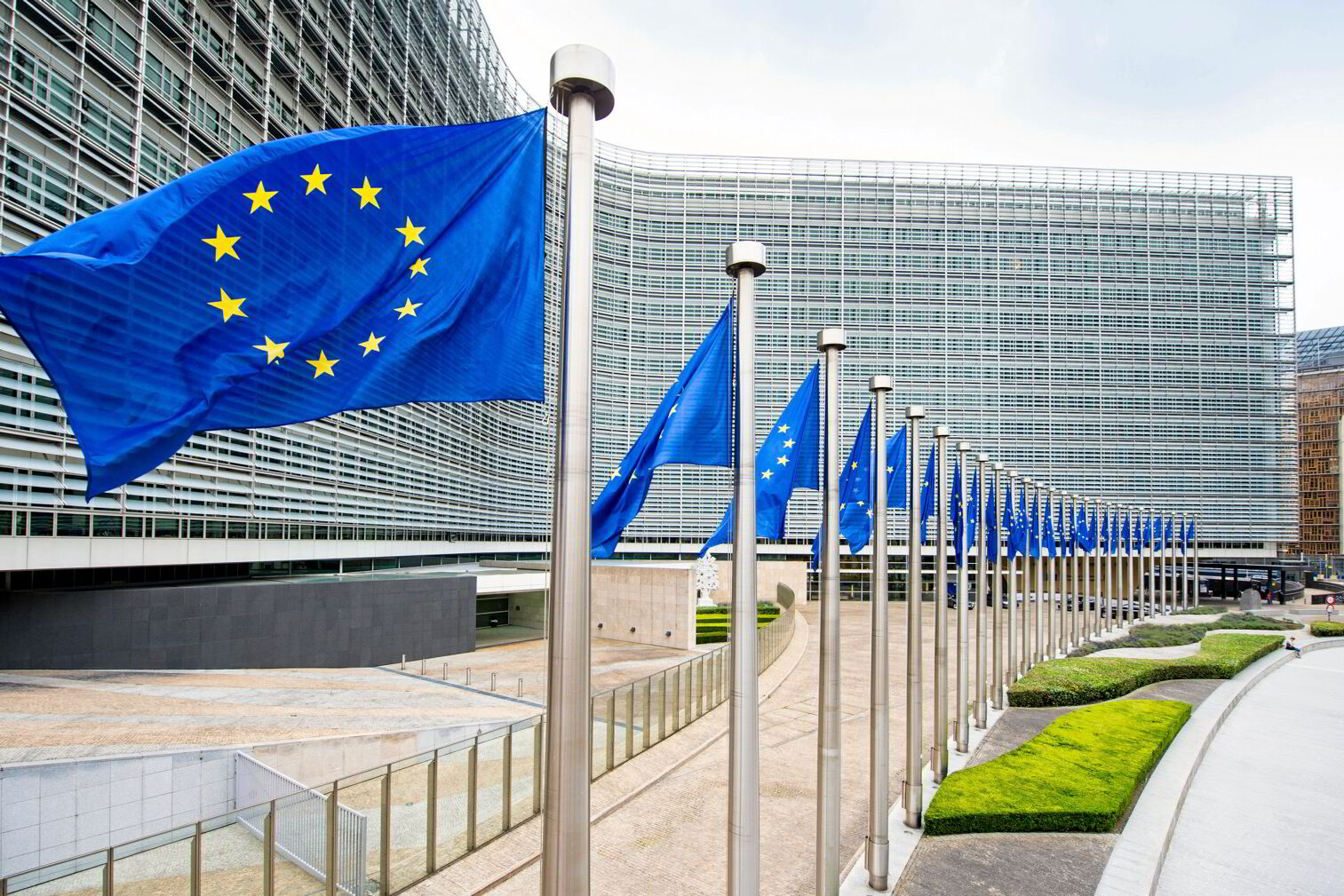
The European Union has decisively signaled its accelerating commitment to the energy transition, allocating a substantial €992 million in public funding to 15 pioneering renewable hydrogen production projects. This strategic investment, channeled through the second European Hydrogen Bank (EHB) auction, aims to unlock nearly 2.2 million tonnes of green hydrogen output over the next decade, with the ambitious goal of offsetting more than 15 million tonnes of CO₂ emissions. For investors navigating the complex landscape of traditional oil and gas alongside emerging energies, this move represents a significant structural shift, potentially reshaping future demand dynamics in hard-to-abate sectors and offering new avenues for capital deployment in the evolving energy matrix.
EU’s Hydrogen Ambition: Scaling Decarbonization Across Key Sectors
The allocation of €992 million across 15 projects in five European Economic Area countries underscores a robust strategy to industrialize green hydrogen production. This funding is specifically designed to bridge the cost gap between conventional fossil fuels and renewable hydrogen, making the latter a viable economic alternative. The projects are diverse, targeting critical sectors such as transportation, chemical manufacturing, and the production of methanol and ammonia – industries historically reliant on high-emission fossil fuels. The support mechanism includes a fixed premium scheme, with premiums ranging from €0.20 to €0.60 per kilogram of hydrogen. Significantly, a dedicated €96.7 million has been earmarked for projects supplying the maritime sector, where three bids secured premiums between €0.45 and €1.88 per kilogram, highlighting a targeted push to decarbonize one of the most challenging transport segments. This comprehensive approach indicates a long-term vision to embed green hydrogen deeply into industrial and transport infrastructures, creating new demand centers for clean energy while simultaneously eroding the market share of traditional hydrocarbons in these specific applications.
Closing the Cost Gap: Investor Focus on Long-Term Viability
Beyond the direct funding, the EU is leveraging innovative mechanisms to amplify its impact. Spain, Lithuania, and Austria are utilizing the ‘Auctions-as-a-Service’ framework, committing an additional €836 million in national funding to support eligible local projects that did not secure EU financing. This collaborative approach enhances the overall investment pool and streamlines the deployment of national resources, demonstrating a coordinated effort to accelerate hydrogen adoption. Our proprietary investor intent data reveals a consistent preoccupation with the long-term viability of alternative energy sources and their potential to disrupt traditional oil and gas demand. Investors are keenly asking about the consensus 2026 Brent forecast, implicitly attempting to gauge the longevity of current crude price levels against emerging energy trends. The substantial funding and innovative auction mechanisms for hydrogen directly address this concern by signaling a serious commitment to making green hydrogen economically competitive, thereby establishing a credible pathway for its widespread adoption and subsequent impact on future fossil fuel demand trajectories.
Current Market Snapshot Versus Future Energy Shifts
While the EU lays the groundwork for a hydrogen-powered future, the immediate energy market continues to present its own dynamics. As of today, Brent crude trades at $95.57, reflecting a marginal increase of 0.82% within a day range of $91 to $95.81. WTI crude also saw a modest uptick to $91.65, moving within a day range of $86.96 to $92.38. Gasoline prices stand at $2.98, up 0.34%. However, this immediate stability masks a recent downward trend in crude benchmarks, with Brent having declined nearly 8.8% from $102.22 on March 25th to $93.22 just yesterday, April 14th. This short-term volatility in traditional oil markets, alongside the ever-present geopolitical risks, underscores the strategic impetus behind the EU’s investment in energy independence and decarbonization. High oil prices in recent periods have often served as a powerful catalyst for accelerating alternative energy initiatives, and even at current levels, the substantial subsidies make green hydrogen an increasingly attractive long-term investment, providing a hedge against future fossil fuel price swings and supply disruptions.
Forward Outlook: Project Timelines and Upcoming Market Catalysts
The 15 selected hydrogen projects are now invited to prepare grant agreements, with contracts anticipated to be signed by September or October 2025. Each project is mandated to reach financial close within 2.5 years of signing and commence hydrogen production within five years. This extended timeline indicates that while the funding is significant, these initiatives represent a long-term structural shift in the energy landscape rather than an immediate market mover for oil and gas demand. Investors must consider these projects as part of a multi-year transformation. In the immediate term, traditional oil and gas markets will be reacting to a series of critical events. The upcoming OPEC+ Joint Ministerial Monitoring Committee (JMMC) meeting on April 18th, followed by the Full Ministerial meeting on April 20th, will be crucial for shaping global supply-side sentiment. Furthermore, market participants will be closely monitoring the API Weekly Crude Inventory reports on April 21st and 28th, alongside the EIA Weekly Petroleum Status Reports on April 22nd and 29th, for fresh insights into demand and inventory levels. These short-term catalysts for crude prices exist in parallel with the strategic, long-term investments in hydrogen, highlighting the bifurcated nature of today’s energy investment landscape. Looking further ahead, the announcement of a third EHB auction signals the EU’s unwavering and continuous commitment to scaling renewable hydrogen production, solidifying its role as a key component of Europe’s future energy mix.


