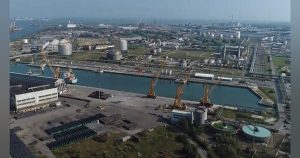
A critical piece of Europe’s refining infrastructure has begun its return to full operational capacity. Esso Societe Anonyme Francaise (SAF), a key subsidiary with an 82.89% ownership stake held by ExxonMobil Corp., has initiated the restart process at its substantial 12-million tonne/year (tpy) Notre-Dame-de-Gravenchon refinery. Situated strategically in Port-Jérôme-sur-Seine, Normandy, in northern France, this facility is a cornerstone for regional fuel and petrochemical supply. The recommissioning follows an extensive planned maintenance turnaround, an event closely watched by market participants and investors focused on the stability and efficiency of European energy markets.
Strategic Maintenance Concludes at Gravenchon
The comprehensive maintenance program at the Notre-Dame-de-Gravenchon refinery, which commenced on March 1st, involved a sequential shutdown of various processing units. This multi-month undertaking was far more than a routine check-up; it encompassed detailed inspections of equipment that typically operates continuously, ensuring the long-term integrity and safety of the facility. Beyond essential upkeep, the turnaround was strategically designed to bolster the site’s environmental performance and enhance its competitive edge within the tightly contested European refining landscape.
Key objectives of the planned work included the implementation of numerous projects specifically aimed at improving energy efficiency and significantly reducing carbon dioxide (CO2) emissions. While Esso SAF confirmed the successful completion of all inspection and maintenance activities associated with the 2025 turnaround, the operator chose not to elaborate on the specific details of these environmental and efficiency-driven upgrades. For investors, these improvements are vital, signaling a commitment to sustainable operations and compliance with evolving regulatory standards, factors increasingly impacting long-term asset value and investor confidence in the oil and gas sector.
Phased Recommissioning Underway
The complex process of bringing a facility of this scale back online began on May 12th, as Esso Raffinage commenced the gradual return of refinery units that had been offline for maintenance. This phased approach is standard practice in the industry, allowing for careful monitoring and recalibration of systems to ensure safe and stable operations. While the restart is now in motion, Esso SAF has not publicly disclosed a definitive timeline for when the full complement of refinery units will achieve complete operational status. Market watchers will be keen to observe the progression, as the full return of 12-million tpy of refining capacity can have palpable effects on regional product availability and pricing dynamics for refined products like gasoline, diesel, and jet fuel.
ExxonMobil’s Evolving French Footprint
This major recommissioning at Gravenchon unfolds against a backdrop of significant strategic adjustments by Esso SAF and its parent company, ExxonMobil, concerning their French assets. In 2024, Esso SAF completed the divestment of its integrated Fos-sur-Mer refinery, located in the Bouches-du-Rhône region of southern France’s Provence-Alpes-Côte d’Azur. This move was a clear signal of portfolio optimization, focusing resources on core, high-performing assets.
Furthermore, ExxonMobil’s wholly-owned subsidiary, ExxonMobil Chemical France, permanently ceased primary chemical production at its unit co-located near Esso SAF’s Port-Jérôme-sur-Seine operations. These concurrent events illustrate a broader trend within the global energy majors: a strategic recalibration of their asset bases in mature markets like Europe. For investors, understanding these shifts is crucial, as they reflect a deliberate effort to enhance capital efficiency, streamline operations, and focus on the most profitable segments of their vast energy portfolios. The decision to invest heavily in the Gravenchon turnaround, even as other assets are divested or shuttered, underscores its strategic importance to ExxonMobil’s European downstream strategy.
Implications for European Energy Markets and Investors
The return of the Notre-Dame-de-Gravenchon refinery’s 12-million tpy capacity is a significant development for European energy security and refined product markets. While individual refinery turnarounds are anticipated, prolonged or unexpected outages can create supply tightness and price volatility. The successful completion of this extensive maintenance and the commencement of restart operations alleviate potential concerns regarding regional product availability. For ExxonMobil investors, reliable and efficient operation of such a critical asset contributes directly to the company’s downstream profitability and overall financial performance.
The emphasis on environmental performance and energy efficiency during the turnaround also aligns with broader industry trends and investor expectations for sustainable operations. As global energy transitions accelerate, the ability of existing refining assets to adapt and reduce their carbon footprint becomes a key differentiator and a factor in their long-term viability. ExxonMobil’s commitment to these upgrades at Gravenchon indicates a forward-looking approach to maintaining competitiveness in a rapidly evolving energy landscape. As the facility gradually ramps up to full production, market participants will monitor the impact on refining margins and the stability of fuel supplies across Western Europe, reinforcing the critical role of these vast industrial complexes in the global energy ecosystem.