Equinor’s Strategic Bet Amidst Offshore Wind Headwinds
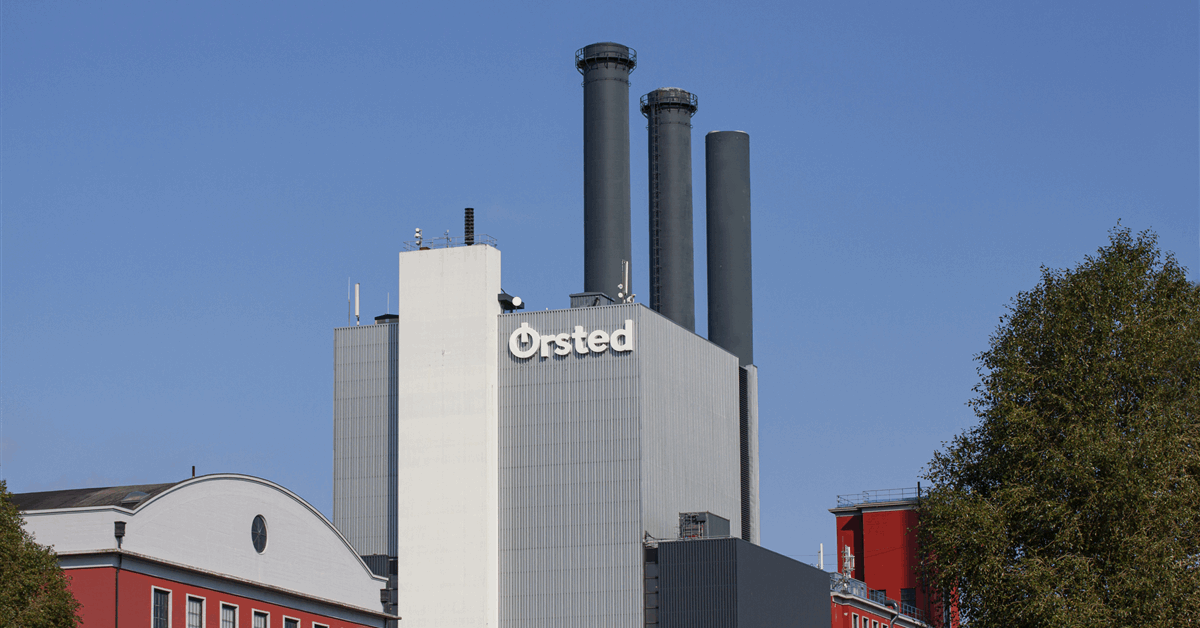
In a bold move signaling confidence in the long-term trajectory of renewable energy, Equinor ASA has committed to subscribing for new shares in Ørsted A/S’s substantial DKK 60 billion ($9.4 billion) rights issue. This investment, estimated at up to DKK 6 billion (around $939 million), ensures Equinor maintains its 10% ownership stake in the Danish offshore wind giant. This decision comes at a critical juncture for the offshore wind sector, particularly in the United States, where Ørsted has faced significant “material adverse developments.” For investors tracking the energy transition, Equinor’s move is a clear indication of a long-term strategic play, balancing its formidable oil and gas portfolio with a determined push into renewables, even as the broader energy market grapples with volatility and evolving supply-demand dynamics.
Navigating Turbid Waters: Offshore Wind’s U.S. Challenges and Equinor’s Conviction
Ørsted’s need for a massive capital injection stems directly from setbacks in the U.S. offshore wind market. The company cited an inability to complete a planned partial sale (farm-down) of its Sunrise Wind project and confirmed the rights issue would proceed even after authorities halted activities at its Revolution Wind project. These challenges underscore the growing pains and financial pressures facing large-scale renewable developments, particularly given rising interest rates, supply chain issues, and regulatory hurdles. Yet, Equinor’s steadfast participation reflects a deeper conviction. The Norwegian energy major explicitly stated its support “reflects confidence in Ørsted’s underlying business, and the competitiveness of offshore wind in the future energy mix, in selected geographies.” This commitment, made even as its own development focus remains on North-West Europe and Empire Wind 1 in the U.S., suggests Equinor views these challenges as temporary speed bumps rather than fundamental flaws in the sector’s long-term potential. This strategic patience is a key differentiator for integrated energy companies looking to diversify their asset base.
The Broader Energy Market: A Tale of Two Investments
Equinor’s significant investment in offshore wind occurs against a backdrop of considerable volatility in the traditional oil and gas markets. As of today, Brent Crude trades at $90.38 per barrel, marking a sharp 9.07% decline, with its daily range spanning $86.08 to $98.97. Similarly, WTI Crude is at $82.59, down 9.41%. This immediate market sentiment, coupled with a 14-day trend showing Brent dropping from $112.78 to $91.87, highlights the ongoing price uncertainty that many of our readers, particularly those asking about the “price of oil per barrel by end of 2026,” are keenly monitoring. While gasoline prices have also seen a dip to $2.93, the overall picture for crude suggests a market grappling with demand concerns or shifting supply expectations. For an investor, Equinor’s decision to deploy nearly a billion dollars into a renewable project facing its own headwinds, while its core business navigates a volatile crude environment, emphasizes a long-term diversification strategy designed to hedge against future market shifts. This balancing act is precisely what sets companies like Equinor apart, as they allocate capital across different energy vectors to build resilience.
Future Moves: Consolidation, Capital Structure, and Upcoming Market Catalysts
Ørsted intends to utilize the DKK 60 billion proceeds to strengthen its capital structure, ensuring financial flexibility from 2025 through 2027 as it delivers its substantial 8.1 GW offshore wind construction portfolio. This recapitalization is critical for Ørsted to navigate project financing and execution risks. Equinor’s statement about expecting “consolidation and new business models” in response to offshore wind challenges suggests it views its increased stake not just as passive ownership, but potentially as a prelude to deeper collaboration or even further strategic alignment. For investors looking ahead, the broader energy market has its own set of catalysts on the immediate horizon. The upcoming OPEC+ meetings, including the JMMC on April 18th and the Full Ministerial on April 19th, will be pivotal in shaping crude supply policies. Our reader intent data indicates strong interest in “OPEC+ current production quotas,” underscoring the market’s focus on these decisions. Furthermore, the API and EIA weekly inventory reports on April 21st and 22nd, respectively, will provide crucial insights into U.S. supply and demand dynamics. Any significant shifts from these events could impact Equinor’s oil and gas revenue streams, influencing its capacity for future renewable investments and the perceived risk-reward balance of its diversified portfolio. Equinor’s commitment to “delivering competitive capital distribution” alongside this substantial renewable investment will be closely watched by shareholders.
Investor Implications: A Diversified Future or a Risky Bet?
Equinor’s decision to double down on Ørsted is more than just maintaining an ownership percentage; it’s a strategic vote of confidence in offshore wind’s future and a proactive step towards building a more diversified energy portfolio. For investors, this move warrants close attention. It signals that even with significant challenges in nascent markets like U.S. offshore wind, major energy players are willing to provide capital support, anticipating long-term returns. This strategy contrasts with the immediate-term focus on crude prices, which, as our reader questions about individual company performance like “How well do you think Repsol will end in April 2026” suggest, remains a primary concern for many. Equinor’s balancing act between maximizing value from its traditional fossil fuel assets and investing strategically in the energy transition is a microcosm of the broader challenges and opportunities facing the entire oil and gas sector. Investors must weigh the potential for long-term growth and stability from diversified renewable assets against the near-term volatility and capital demands of both established and emerging energy markets.


