Equinor’s Empire Wind Project Faces Imminent Termination Amid Regulatory Stalemate, Billions at Risk
The future of Equinor ASA’s Empire Wind project hangs by a thread, with the Norwegian energy giant poised to terminate the multi-billion dollar offshore wind endeavor. A recent high-level meeting between Equinor’s CEO, Anders Opedal, and U.S. National Economic Council Director Kevin Hassett on May 6 yielded no breakthrough, leaving the company with no indication that the Trump administration would reverse the project’s April halt. This critical juncture places a significant spotlight on regulatory risk within the U.S. energy sector and the potential for substantial capital losses for investors.
Molly Morris, President of Equinor Renewables Americas, issued a stark warning on Monday: “If no progress is made within days, Equinor will be forced to terminate the project.” She underscored the company’s persistent efforts, stating, “We are still fighting every day to find a resolution.” The lack of any shift in the U.S. government’s position, as confirmed by spokesperson Magnus Eidsvold, directly precipitates this looming decision, threatening a major blow to Equinor’s balance sheet and the broader offshore wind industry.
Billions on the Brink: Financial Implications of a Halt
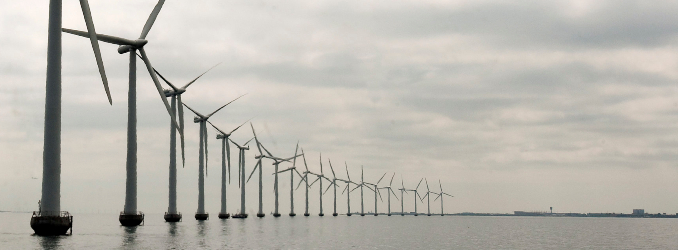
A termination would trigger a significant financial impact for Equinor, potentially leading to the loss of much of its $2.7 billion already invested in the project. Morris explicitly stated, “It would be a direct impact to Equinor and our balance sheet.” The Empire Wind 1 project, initially estimated at a total capital investment of $5 billion, was fully permitted and on track to commence commercial operations in 2027. Designed to feature 54 turbines, it was slated to generate enough clean electricity to power 500,000 homes, representing a cornerstone of New York’s renewable energy ambitions.
The project’s abrupt halt in April, directed by Interior Secretary Doug Burgum, stemmed from claims that the Biden administration had rushed its approvals. This unexpected regulatory intervention has not only stalled a major clean energy initiative but has also imposed a heavy financial burden on Equinor. The company is currently incurring costs of approximately $50 million each week due to the pause. While all offshore construction has ceased, operations at the South Brooklyn Marine Terminal in New York continue, contributing to ongoing expenses for maintaining personnel and equipment on standby.
A Precedent for U.S. Energy Investment and Regulatory Stability
The implications of the Empire Wind situation extend far beyond Equinor or even the offshore wind sector. Morris emphasized, “It’s about honoring contracts and financial investments made in the U.S.” She warned of a “dangerous precedent by stopping a project in mid-execution,” a sentiment that resonates deeply with investors scrutinizing the stability of the U.S. regulatory environment for large-scale infrastructure projects. Such uncertainty can deter future foreign direct investment across various energy segments, including oil and gas, where long-term capital commitments are standard.
Equinor’s deep roots in the U.S. energy landscape further amplify these concerns. The company has operated in the country for nearly four decades, investing more than $60 billion across its portfolio. As a significant player in both traditional fossil fuels and emerging renewables, Equinor holds over 100 oil and gas leases in the Gulf of Mexico. The current regulatory challenge to its renewable energy efforts could influence its strategic decisions regarding future capital allocation across its diverse energy assets in the United States.
Political Undercurrents and Industry Setbacks
The stoppage represents the latest, and perhaps most significant, setback for an offshore wind industry that just four years ago appeared poised for exponential growth. This development unfolds against a backdrop of historical skepticism from certain political factions. Former President Donald Trump, a vocal critic of wind turbines, had previously signaled his intent to scrutinize even fully permitted offshore wind projects, directing the Interior Department to review the sector on his first day in office. This political dimension adds another layer of complexity for energy investors evaluating the long-term viability of renewable projects in the U.S.
Equinor has characterized the halt as “unlawful” and is actively exploring its legal options, including the possibility of appealing the decision. However, the immediate financial risk remains paramount. Sparebank 1 Markets analyst Teodor Sveen-Nilsen provided a stark assessment to investors on Monday, stating, “If the project is terminated, we expect the $4 billion to $4.5 billion sunk cost, invested thus far plus future commitments, to be worth zero.” This figure reflects the capital expenditures made to date, alongside future financial obligations tied to the project.
The Investor Outlook: Capital Risk and Future Commitments
The financial community previously viewed Empire Wind with optimism. Equinor had successfully secured billions in financing for the project at the close of December, at which time the company projected total capital investments, including the benefits of future tax credits, would amount to approximately $5 billion. Equinor holds 100% ownership of the Empire Wind project, meaning the full financial burden and any potential losses will directly impact its bottom line.
This situation serves as a critical case study for investors in the energy sector, highlighting the substantial risks associated with regulatory shifts and political intervention in large-scale infrastructure development. The outcome for Empire Wind will undoubtedly influence future investment decisions in both renewable and traditional energy projects across the United States, underscoring the vital importance of regulatory certainty and contract sanctity for capital markets.