Equinor and Polenergia Secure Over $7 Billion for Landmark Baltic Offshore Wind Development
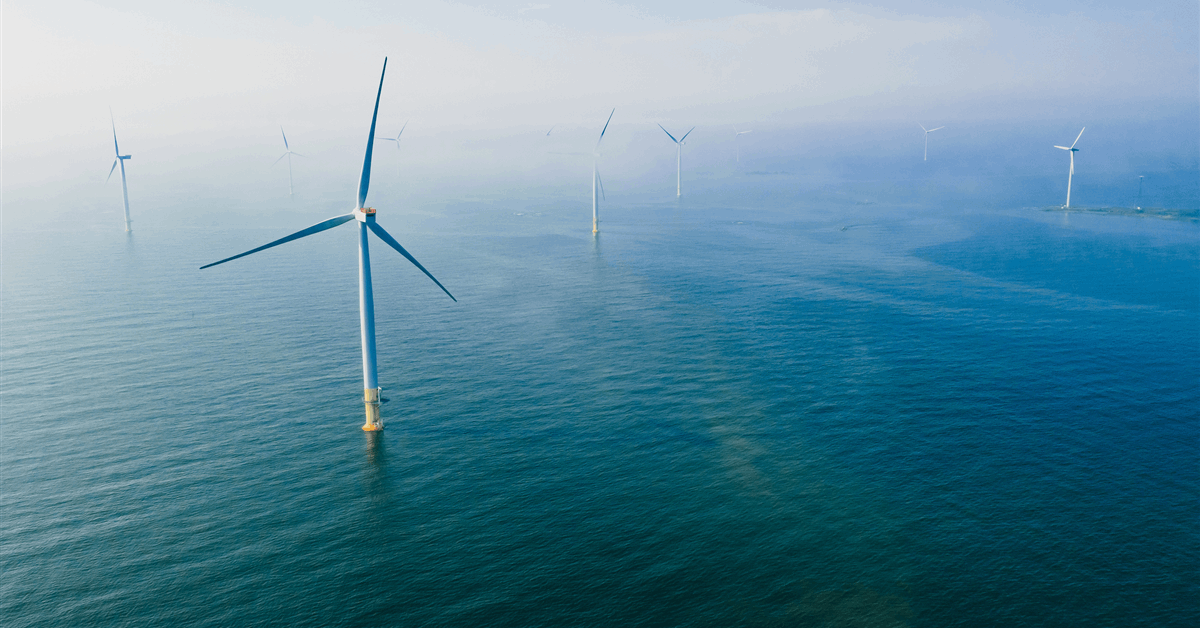
In a significant move for Europe’s energy transition, Norway’s Equinor ASA and Polish renewable energy developer Polenergia SA have successfully concluded the financial arrangements for their joint offshore wind ventures, Baltyk II and Baltyk III. This critical milestone, following a final investment decision (FID) reached on May 19, unlocks over EUR 3 billion for each project, totaling approximately $6.81 billion, dedicated to their development in the Polish sector of the Baltic Sea. The 50-50 co-venture partners confirmed that all conditions precedent for loan disbursements have been met, signaling a green light for substantial capital deployment into these strategic energy assets.
This financial close represents far more than just securing funds; it underscores investor confidence in large-scale renewable infrastructure projects, particularly within the burgeoning European offshore wind market. For energy sector stakeholders and investors monitoring the evolving landscape, this development highlights the accelerating shift in capital allocation towards sustainable energy sources by major players like Equinor, traditionally a hydrocarbon giant.
Project Finance: A Record-Breaking Endeavor in Polish Energy
Michal Jerzy Kolodziejczyk, Equinor’s manager for operations in Poland, characterized the Baltyk II and Baltyk III offshore wind farms as pivotal to Poland’s modern infrastructure development. He emphasized their collective significance as “the largest project finance undertaking ever completed in the Polish energy sector.” The combined capital investment and associated expenditures for both projects are estimated at approximately EUR 7.2 billion, a testament to the scale and complexity of this initiative.
The financing structure itself is a powerful indicator of market appetite and the competitive advantage held by experienced developers. Equinor noted the robust interest from lenders, enabling the partners to secure highly competitive terms and conditions. The consortium of financial institutions involved is extensive, comprising around 30 entities. This group includes many of Equinor’s core banking partners, sector specialists, the Nordic Investment Bank, and crucially, the European Investment Bank (EIB), which emerged as the largest single lender, committing EUR 700 million.
Further bolstering the financial package, key export credit agencies have provided crucial support. Poland’s own export credit agency, KUKE, is supplying essential guarantees, while Germany’s Euler Hermes is offering cover policies for the lenders. This multi-layered financial architecture, involving a diverse array of public and private sector institutions, speaks volumes about the de-risking strategies employed for such monumental projects and the collaborative effort required to bring them to fruition in challenging market conditions, as noted by Polenergia CEO Adam Purwin, who lauded the “exceptionally favorable terms” achieved.
Strategic Capacity and Operational Timeline
Once fully operational, the Baltyk II and Baltyk III wind farms will boast a combined generating capacity of 1,440 megawatts (MW), with each farm contributing 720 MW. This substantial output is projected to supply clean electricity to approximately two million Polish households, making a significant contribution to Poland’s energy security and decarbonization goals. The partners anticipate full commercial generation to commence in 2028, marking a critical step towards increasing the share of renewable energy in the nation’s power mix.
The FID, taken on May 19, formalized the commitment to install 100 wind turbines across the two sites. These formidable structures will be strategically positioned between 22 and 37 kilometers (approximately 13.67 to 22.99 miles) off the Polish coastline, leveraging the strong wind resources of the Baltic Sea. An operations and maintenance (O&M) base is being established in Leba, situated in the northern Gdansk region, to support the long-term efficiency and reliability of the wind farms.
Construction Underway, Equinor at the Helm
Development activities are already well underway. Onshore construction has commenced, and the fabrication of key components has begun, indicating tangible progress beyond the financial close. Marine operations, a critical phase involving the installation of turbines and subsea infrastructure, are slated to begin next year, promising a flurry of activity in the Baltic. Equinor, leveraging its extensive experience in large-scale energy projects globally, will manage the construction phase and ultimately serve as the operator of both Baltyk II and Baltyk III.
In a strategic move to optimize market integration and revenue, Danske Commodities, a wholly-owned subsidiary of Equinor, will provide comprehensive route-to-market services. These services, encompassing balancing and power offtake, are secured for the initial three years of the farms’ operation, ensuring stable revenue streams and efficient grid integration from day one. This integration of market expertise further enhances the project’s financial robustness and operational efficiency.
Local Content and Broader Implications for Investors
The project also emphasizes local economic benefits, engaging more than a dozen major contractors. Notably, this includes experienced Polish companies such as Tele-Fonika Kable and Enprom, signifying a commitment to fostering domestic industry growth and expertise within the renewable energy sector. Such local content provisions are increasingly important for securing political and public support for large infrastructure projects, and they represent additional avenues for investment for ancillary service providers.
For investors tracking the energy sector, this landmark financing deal by Equinor and Polenergia underscores several key trends: the increasing viability and scale of offshore wind projects, the critical role of project finance in de-risking large-scale renewable investments, and the strategic pivot of traditional oil and gas majors towards diversified energy portfolios. As global energy demands continue to rise and decarbonization targets tighten, such ventures in the Baltic Sea exemplify the future trajectory of energy investment, offering long-term, stable returns in a growing market.
The successful financial close of Baltyk II and Baltyk III solidifies Poland’s position as a burgeoning hub for offshore wind development and reinforces the broader European commitment to clean energy. Investors looking for exposure to the energy transition, particularly through established players like Equinor with strong balance sheets and operational expertise, will view this development as a compelling indicator of future growth and value creation in the renewable energy space.