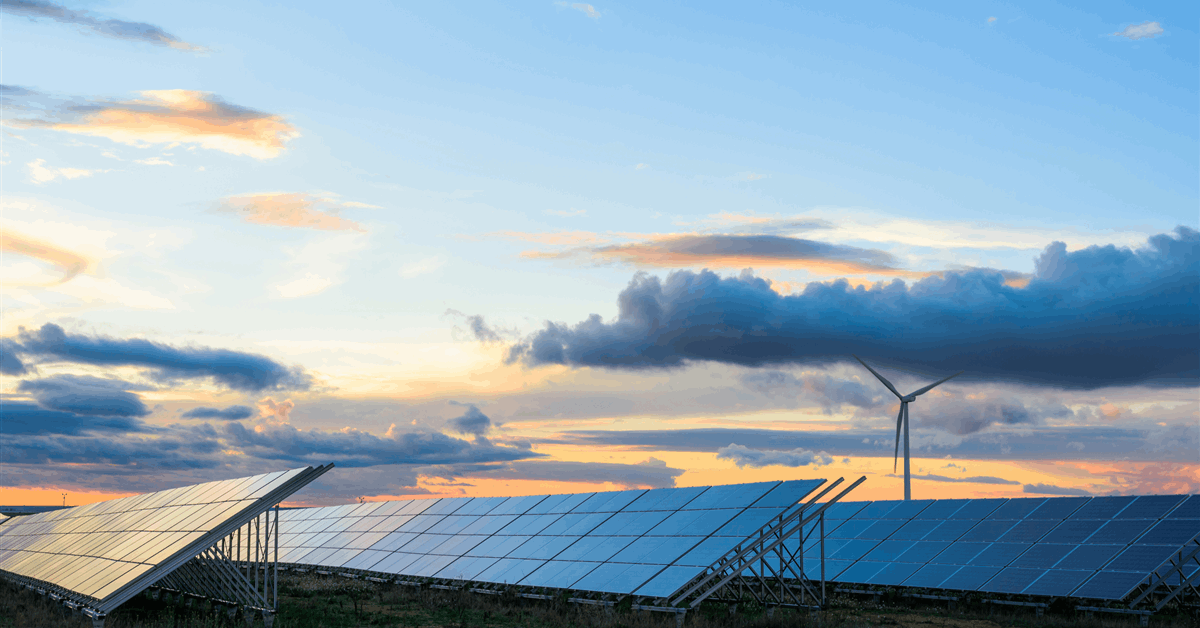
Equinor’s recent announcement regarding the commercial operation of its 140-megawatt (MW) Serra da Babilônia Solar project in Brazil marks a significant milestone in the company’s evolving energy transition strategy. Co-located with the existing 223-MW Serra da Babilônia Wind farm, this project completes Equinor’s first hybrid power complex, underscoring a disciplined approach to renewable energy development that prioritizes value creation. As a senior investment analyst, my focus is on how this move positions Equinor in a dynamic global energy market, particularly given the backdrop of fluctuating commodity prices and an increasingly complex investment landscape. This analysis will delve into the strategic implications for investors, examining the project’s economics, its role within Equinor’s broader Brazilian portfolio, and how it aligns with the company’s revised capital allocation strategy.
Equinor’s Hybrid Model: A Blueprint for Resilient Renewables
The operationalization of Serra da Babilônia Solar is more than just an addition of capacity; it represents a strategic shift towards integrated, high-value renewable assets. By combining solar power with an existing wind farm, Equinor is leveraging the complementary nature of these resources, which generate power at different times and seasons. This synergy significantly reduces the intermittency inherent in standalone renewable generation, thereby enhancing grid stability and reliability. Furthermore, the hybrid complex benefits from sharing existing infrastructure, leading to material cost savings in both development and ongoing operations and maintenance compared to a standalone solar asset. The project is estimated to produce 236 GWh of power annually, equivalent to the consumption of 143,000 Brazilian households, with the energy sold in the Brazilian power market through Equinor’s trading arm, Danske Commodities. This focus on operational efficiency and market integration reflects Equinor’s updated energy transition plan, which, earlier this year, explicitly moved away from a broad-brush renewables expansion in favor of “high-graded project portfolios” designed to improve value creation for shareholders. Investors should see this as a clear signal of disciplined capital allocation, even within the growth-oriented renewables sector.
Brazil: A Strategic Pillar Amidst Market Volatility
Brazil continues to be a cornerstone of Equinor’s long-term growth strategy, and the latest renewable asset reinforces this commitment. While known for its robust oil and natural gas portfolio in the country, including the Raia project which is projected to supply approximately 15 percent of Brazil’s total gas demand, Equinor is actively diversifying its energy offering. With Serra da Babilônia Solar now online, Equinor boasts around 600 MW of solar and wind capacity in power production in Brazil. This includes its 43.5 percent stake in the 162-MW Apodi solar complex and a 30 percent share in the 531-MW Mendubim solar plants complex. The company’s subsidiary, Rio Energy, is also maturing a substantial 1.5-gigawatt (GW) pipeline of onshore wind and solar projects, signaling continued expansion. This integrated approach, blending traditional hydrocarbon strengths with strategic renewable investments, is particularly pertinent given the current market dynamics. As of today, Brent Crude trades at $91.87, representing a significant 7.57% decline on the day and a substantial 18.5% drop from $112.78 just two weeks ago. Similarly, WTI Crude has fallen by 7.86% to $84, with gasoline prices also experiencing a 4.85% decline. This pronounced commodity volatility underscores the strategic rationale behind Equinor’s diversified Brazilian portfolio, offering a degree of insulation from the swings in upstream oil and gas prices.
Addressing Investor Concerns in an Uncertain Landscape
Our proprietary investor intent data highlights a significant level of uncertainty among market participants, with many actively querying oil price predictions for the end of 2026 and asking about OPEC+ current production quotas. These questions reflect a deep concern over the stability and direction of the core oil and gas market. In this environment, Equinor’s strategic investments in stable, long-term power generation assets in Brazil offer a compelling counter-narrative. By developing hybrid projects that reduce intermittency and leverage existing infrastructure, Equinor is building a revenue stream that is less directly exposed to the immediate whims of crude oil markets. This helps balance the company’s overall risk profile. While the oil and gas segment remains a critical cash generator, the measured expansion into high-value renewables, supported by an optimized trading arm like Danske Commodities, provides a more predictable earnings component. This balanced approach is crucial for attracting and retaining investors who are seeking both growth and resilience in their energy portfolios, moving beyond purely speculative commodity plays.
Forward Outlook: Navigating Key Events and Strategic Growth
Looking ahead, the energy market will be shaped by several critical events that will undoubtedly influence Equinor’s operational environment. The upcoming OPEC+ Ministerial Meeting on April 18th is poised to set the tone for global crude supply in the near term, with any production adjustments directly impacting prices. Subsequent API and EIA Weekly Petroleum Status Reports, scheduled for April 21st, 22nd, 28th, and 29th, along with the Baker Hughes Rig Count releases on April 24th and May 1st, will provide crucial insights into inventory levels and drilling activity. While Equinor’s Brazilian renewables strategy offers some diversification, its upstream profitability will remain sensitive to these market catalysts. Equinor’s long-term ambition to install 10-12 GW of renewables capacity by 2030, though revised for value, signals a continued commitment to the energy transition. The company’s focus on “high-grading” projects, as evidenced by the efficient Serra da Babilônia complex, suggests a disciplined capital allocation strategy that seeks to deliver robust returns from its renewable investments. For investors, this trajectory indicates a company striving for an optimal balance: capitalizing on its robust hydrocarbon foundation while strategically building out a profitable, diversified renewable energy portfolio designed to thrive in a volatile and evolving global energy landscape.


