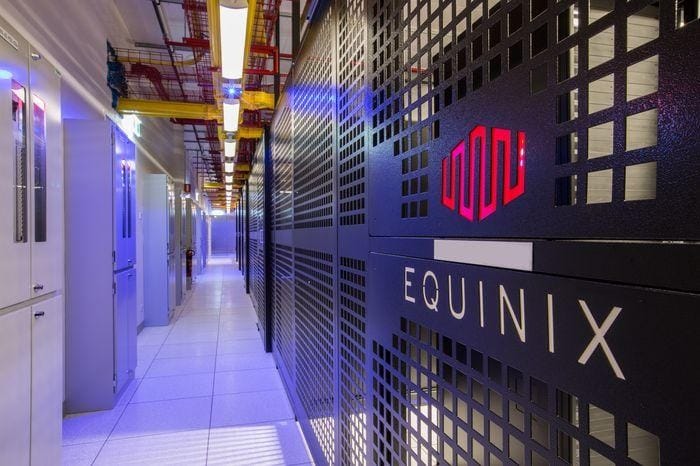
The global energy landscape is undergoing a profound transformation, and nowhere is this more evident than in the strategic maneuvers of major corporations securing long-term power solutions. Equinix’s recent 15-year virtual power purchase agreement (vPPA) for 121MW of solar capacity in Japan serves as a compelling signal of this accelerating shift. This landmark deal, representing the largest single-site data center vPPA in Japan, is not merely a corporate sustainability initiative; it’s a strategic investment in stable, decarbonized energy for burgeoning digital infrastructure, particularly as AI-driven demand intensifies. For oil and gas investors, understanding such developments is crucial. They highlight evolving demand patterns and the increasing premium placed on clean, resilient energy supply, even in challenging markets, influencing long-term commodity outlooks and sector investment theses.
Japan’s Energy Transition Crossroads: A Catalyst for Corporate Renewables
Equinix’s commitment to sourcing renewable electricity from the 121MW Sanda Mega Solar Power Plant in Hyogo Prefecture, through its agreement with ENEOS Renewable Energy Corporation, underscores a critical trend. Japan has historically presented one of the most formidable environments for corporate renewable procurement due to inherent grid constraints, a complex regulatory framework, and limited availability of large-scale projects. By securing capacity from what is one of the largest operating solar facilities in ENEOS Renewable Energy’s portfolio, Equinix not only advances its goal of 100% renewable coverage for its Japanese operations but also sets a significant precedent. This move strengthens local grid decarbonization and ensures energy resilience for the rapid expansion of AI-ready digital infrastructure, a sector with insatiable and growing power demands. For investors tracking the broader energy market, this transaction signals how major energy consumers are proactively de-risking their operations from fossil fuel price volatility and carbon exposure, even in markets with high barriers to entry for renewables.
Market Dynamics: Oil Prices Respond to Geopolitical Tensions Amidst Transition Signals
While the long-term energy transition gathers pace, traditional energy markets continue to exhibit their characteristic volatility, often driven by immediate geopolitical concerns and supply-side fundamentals. As of today, Brent Crude trades at $94.74, marking a significant +4.77% surge, while WTI Crude stands at $91.54, up +4.71%. This sharp daily increase contrasts with a broader trend observed over the past fortnight, where Brent had declined from $118.35 on March 31st to $94.86 by April 20th. This illustrates how quickly market sentiment can shift, often influenced by unfolding global events. Many investors are currently asking “Is WTI going up or down?” Such immediate price movements, while offering short-term trading opportunities, can obscure the deeper, structural shifts in energy demand exemplified by deals like the Equinix PPA. The sustained appetite for oil remains robust in many sectors, underpinning these price rallies, yet the strategic pivot by major industrial consumers toward renewables introduces a new layer of complexity to future demand projections.
Forward-Looking Outlook: Navigating Upcoming Catalysts and Long-Term Shifts
The interplay between short-term market catalysts and the overarching energy transition narrative is crucial for informed investment decisions. Over the next two weeks, several key events will shape the immediate trajectory of oil and gas markets. Tomorrow, April 21st, the OPEC+ JMMC Meeting could yield critical supply decisions, impacting crude prices significantly. Following this, the EIA Weekly Petroleum Status Reports on April 22nd and April 29th will provide vital insights into U.S. inventory levels and demand trends. Industry watchers will also closely monitor the Baker Hughes Rig Count on April 24th and May 1st for indicators of future production activity. Looking further ahead, the EIA Short-Term Energy Outlook on May 2nd will offer a more comprehensive forecast for the coming months. These events are the traditional drivers of market volatility, feeding into investor questions like “what do you predict the price of oil per barrel will be by end of 2026?” While these reports will dictate near-term price swings, the accelerating pace of renewable adoption, particularly for energy-intensive sectors like data centers, suggests a gradual but persistent chipping away at the long-term demand growth projections for fossil fuels.
Investor Implications: Diversification and Decarbonization in a Hybrid Energy Future
The Equinix Japan solar PPA serves as a powerful illustration of how the energy transition is not just an environmental imperative but a commercial strategy for stability and growth. For oil and gas investors, this signifies that while traditional energy sources will remain vital for decades, the landscape of demand is diversifying. Companies that rely heavily on fossil fuels, including those operating in the oil and gas sector, must articulate clear and actionable transition strategies. This includes exploring investments in renewable energy, carbon capture technologies, and sustainable fuels, or strategically divesting from high-carbon assets. When investors ask about the performance of specific energy companies, such as “How well do you think Repsol will end in April 2026?”, the answer increasingly hinges not just on current production and refining margins, but also on their forward-looking portfolio diversification and decarbonization efforts. The strategic securing of 121MW of clean power by a global data center giant highlights a growing segment of demand that is actively seeking to decouple from fossil fuels, compelling a re-evaluation of long-term investment strategies across the entire energy complex.


