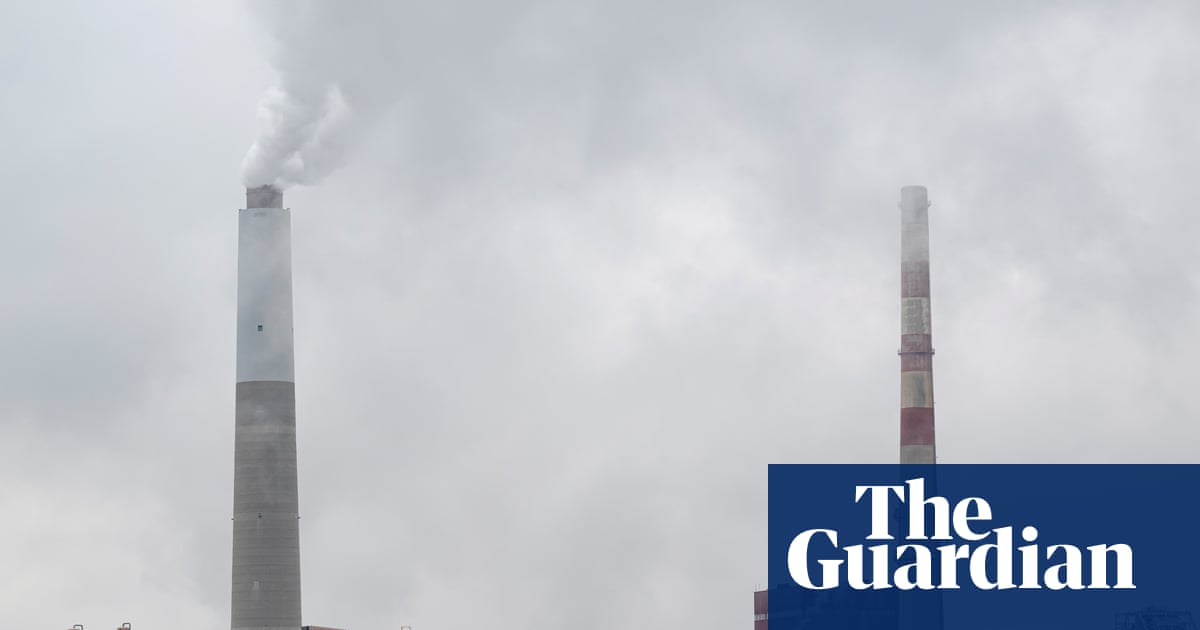
The energy sector is once again grappling with significant regulatory uncertainty, as a coalition of environmental and public health organizations has launched a legal challenge against the Environmental Protection Agency (EPA). This lawsuit, filed in a Washington D.C. circuit court, seeks to overturn the EPA’s recent repeal of the “endangerment finding” – a foundational legal determination that has underpinned US federal climate regulations for over a decade. For oil and gas investors, this development is not merely a legal technicality; it represents a critical inflection point that could redefine operational landscapes, compliance costs, and ultimately, investment returns across the fossil fuel value chain.
The Endangerment Finding: A Regulatory Cornerstone Under Fire
At the heart of the current legal battle is the EPA’s “endangerment finding,” a declaration that the accumulation of heat-trapping pollution in the atmosphere poses a threat to public health and welfare. First established in 2009, this finding provided the legal bedrock for the EPA to implement stringent emissions limits on a range of sources, including vehicles, power plants, and industrial facilities. Its repeal, championed by the Trump administration and EPA Administrator Lee Zeldin, was framed as a significant deregulatory action, aimed at alleviating what were described as “costly climate policies” and “bogus overreach.”
However, the recent lawsuit, brought by a formidable alliance including the American Public Health Association, American Lung Association, and the Sierra Club, argues that this repeal constitutes a “dereliction of the agency’s mission” and its legal obligations under the Clean Air Act. For the oil and gas industry, the reinstatement of the endangerment finding would likely mean a return to, or even an intensification of, regulatory pressures concerning greenhouse gas emissions. This includes potential new mandates for methane capture, carbon sequestration, and stricter operational permits, all of which carry substantial financial implications for exploration, production, and refining operations. The outcome of this legal challenge will directly influence the long-term cost of doing business for many energy companies.
Market Dynamics and Investor Sentiment Amidst Regulatory Flux
While the legal wheels of justice turn slowly, the energy markets continue to react to a myriad of short-term drivers, often with significant volatility. As of today, Brent Crude is trading at $94.74, marking a robust 4.77% gain, with WTI Crude also up strongly at $91.54, a 4.71% increase. Gasoline prices reflect this upward momentum, reaching $3.15 per gallon. This daily surge, however, comes against a backdrop of recent significant price corrections; Brent crude, for instance, has seen a notable decline from $118.35 on March 31st to $94.86 on April 20th, representing a nearly 20% drop over the last two weeks alone. This illustrates the inherent instability in the current energy market.
Our proprietary data indicates that investors are keenly focused on the immediate direction of crude prices, with frequent inquiries about whether WTI is poised for gains or declines. Furthermore, many are seeking clarity on longer-term forecasts, asking what the price of oil per barrel might be by the end of 2026. While today’s strong performance might offer a moment of relief, the significant price volatility seen over the past fortnight underscores that the market is navigating complex global supply-demand dynamics. The ongoing lawsuit against the EPA adds another layer of profound uncertainty, making definitive long-term price predictions exceptionally challenging. Regulatory shifts can introduce unexpected operational costs, impact investment in new projects, and alter the competitive landscape, all of which directly influence the future supply-demand balance and, consequently, crude prices.
Upcoming Events and the Long-Term Regulatory Outlook
The next two weeks are packed with key energy events that will provide further insight into the immediate market direction, but the EPA lawsuit signals a much deeper, structural shift. Tomorrow, April 21st, the OPEC+ JMMC Meeting will be closely watched for any signals on production policy, which could trigger significant short-term price movements. Following this, the EIA Weekly Petroleum Status Reports on April 22nd and April 29th, alongside the Baker Hughes Rig Count on April 24th and May 1st, will offer crucial data on US inventories and drilling activity. These releases are vital for understanding the current supply-demand picture and often drive week-to-week trading decisions.
However, investors must look beyond these immediate data points to fully appreciate the potential impact of the ongoing regulatory challenge. While an OPEC+ decision can sway prices in a day, the legal battle over the endangerment finding will unfold over months, if not years, with far-reaching implications. A successful challenge to the EPA’s repeal could mean a rapid reintroduction of stricter climate regulations, potentially increasing compliance costs for oil and gas companies and accelerating the transition towards lower-carbon energy sources. Conversely, if the repeal is upheld, it could solidify a more deregulated environment, at least temporarily. Energy investors should monitor not only the calendar of market data releases but also judicial proceedings and policy statements, particularly with the EIA’s Short-Term Energy Outlook scheduled for May 2nd, which may incorporate initial assessments of these policy uncertainties.
Navigating the Evolving Regulatory Minefield for Energy Investors
For investors in the oil and gas sector, the EPA endangerment finding lawsuit represents a significant regulatory minefield that demands careful navigation. The outcome will profoundly influence the investment thesis for companies operating within the United States. If the lawsuit succeeds and the endangerment finding is reinstated, we can expect increased pressure on companies to invest in emissions reduction technologies, pay for carbon offsets, or face stricter operational limitations. This could elevate capital expenditures and operating costs, potentially compressing margins for less agile players. Conversely, it might also spur innovation in green technologies within the traditional energy sector, creating new investment opportunities.
On the other hand, if the current repeal stands, the industry could benefit from reduced regulatory burdens, potentially leading to lower compliance costs and a more favorable environment for fossil fuel development in the near term. However, even in this scenario, investor sentiment and ESG (Environmental, Social, and Governance) pressures will continue to push companies towards sustainable practices. Smart investors will recognize that irrespective of the lawsuit’s immediate outcome, the long-term trajectory for energy involves increasing scrutiny on climate impact. Therefore, companies with robust ESG strategies, diversified portfolios, and a clear path to decarbonization will be better positioned to weather these regulatory storms and deliver sustained value.


