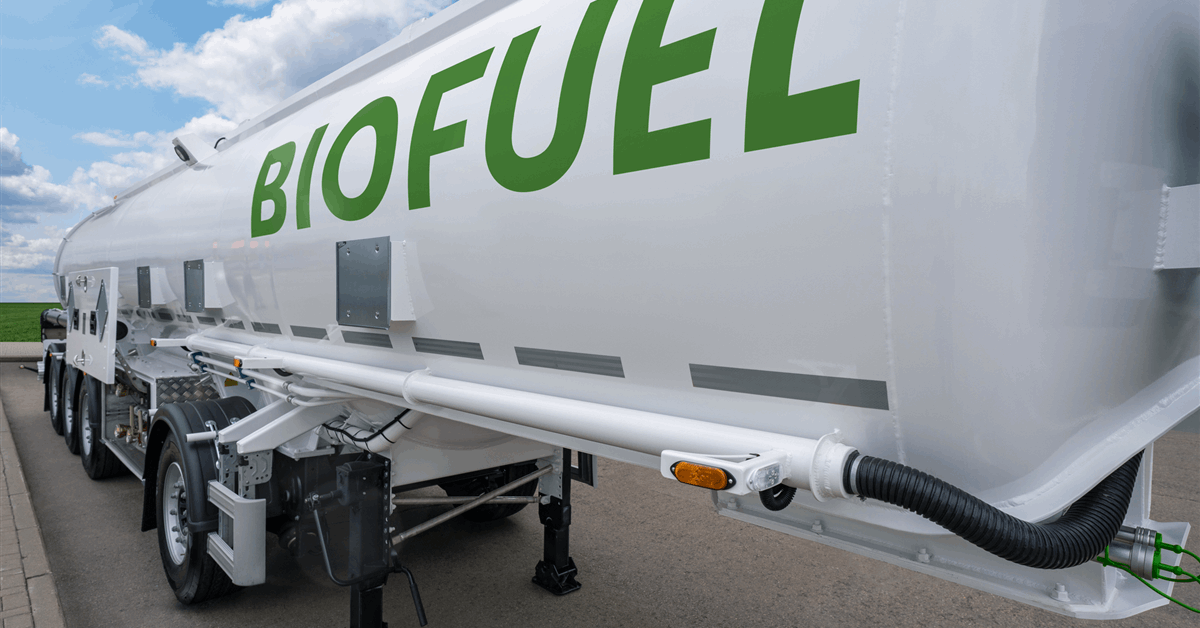
Eni’s recent approval from Italy’s Environment and Energy Security Ministry to convert units at its Sannazzaro de’ Burgondi refinery in Pavia into a biorefinery marks a significant strategic pivot for the energy major. This move is not merely an operational upgrade; it represents a tangible step in the broader energy transition, positioning Eni at the forefront of sustainable fuel production. With an ambitious target of 550,000 metric tons per annum (MMtpa) for biofuel feedstock processing, primarily waste and residues, the Pavia biorefinery is slated to commence operations by 2028, producing critical sustainable aviation fuel (SAF) and hydrotreated vegetable oil (HVO) diesel. For investors, this development signals a clear commitment to decarbonization and a proactive response to evolving market demands, offering a glimpse into how established oil and gas players are re-architecting their portfolios for a lower-carbon future.
Eni’s Biofuel Ambition: A Strategic Imperative
The conversion of the Sannazzaro refinery underscores Eni’s aggressive pursuit of a diversified energy portfolio. The project leverages existing infrastructure, specifically converting the Hydrocracker unit with Ecofining™ technology and integrating a new pre-treatment unit for biogenic feedstocks. This approach minimizes upfront capital expenditure compared to greenfield developments while accelerating time to market for high-value renewable products. Eni’s Enilive division is already a formidable player, ranking as Europe’s second-largest producer of HVO biofuels. The Pavia facility will bolster this position, strategically supplying north-west Italian airports with both traditional jet fuel and SAF, leveraging existing pipeline connections to hubs like Milan Malpensa. This integrated strategy, combining existing assets with advanced biofuel technology, demonstrates a calculated move to capture a growing share of the sustainable fuels market. The company’s overall biorefining capacity targets are particularly striking, aiming to grow from the current 1.65 MMtpa to over three million by 2028 and exceeding five MMtpa by 2030, with up to two MMtpa dedicated to SAF production by the end of the decade. These figures highlight the scale of Eni’s commitment and the potential for significant revenue streams from these new ventures.
Navigating Crude Volatility with Renewable Resilience
In the current volatile energy landscape, investments in biorefineries offer a compelling hedge against fluctuating crude oil prices. As of today, Brent crude trades at $98.33, marking a 1.07% decline within the day, with its price oscillating between $97.92 and $98.67. This recent dip is part of a broader trend; over the last 14 days, Brent has shed a significant $14, representing a 12.4% decrease from its $112.57 peak on March 27th. Similarly, WTI crude stands at $89.6, down 1.72%, while gasoline prices have also seen a marginal decline to $3.07. This downward pressure on traditional fossil fuel prices underscores the inherent risks and cyclical nature of the conventional oil market. In contrast, the demand for sustainable fuels like SAF and HVO is driven by long-term decarbonization mandates and consumer preferences, often commanding a premium irrespective of crude price movements. Eni’s investment in Pavia, along with other projects like Livorno (2026), Malaysia, South Korea, and Priolo, diversifies its revenue streams away from crude price dependency. Furthermore, Eni’s proactive development of dedicated feedstock sources, such as the Loudima vegetable oil extraction plant in the Republic of the Congo, capable of producing 30,000 MMtpa, further de-risks its biofuel supply chain, ensuring long-term operational stability and cost predictability.
Forward Outlook: Policy, Demand, and Investor Signals
Investors frequently inquire about the impact of market fundamentals and policy decisions on energy investments, often asking about crude price drivers and OPEC+ production quotas. While Eni’s biofuel strategy is distinct from these immediate crude market pressures, the context is crucial. The upcoming OPEC+ Joint Ministerial Monitoring Committee (JMMC) meeting tomorrow, April 17th, followed by the full Ministerial Meeting on April 18th, will undoubtedly influence short-term crude market sentiment. Any decisions regarding production quotas could further impact crude pricing, subtly reinforcing the appeal of investments in alternative, less politically volatile fuel sources. The long-term trajectory for SAF and HVO demand, however, appears robust, underpinned by global aviation decarbonization targets and increasing regulatory pressure for blending mandates. For instance, the European Union’s ReFuelEU Aviation initiative aims to significantly increase SAF usage in aviation over the coming decades. Eni’s 2028 timeline for Pavia aligns perfectly with these escalating policy requirements and anticipated demand surges. Investors are keenly watching how companies like Eni are positioning themselves to meet these future demands, viewing these strategic conversions as essential moves for long-term value creation. The weekly API and EIA inventory reports later this month will provide further insights into traditional fuel demand, but the structural shift towards renewables remains the dominant long-term narrative.
Eni’s Integrated Bio-Strategy: A Blueprint for Energy Transition Leaders
Eni’s comprehensive approach to biofuel production, from feedstock cultivation in the Congo to refining at strategic European hubs, presents a compelling blueprint for how integrated energy companies can navigate the transition. The Pavia conversion, while a single project, is part of a much larger, interconnected strategy that includes multiple biorefineries globally, extensive research into advanced feedstocks, and leveraging existing logistical infrastructure. This holistic vision not only mitigates environmental impact but also builds resilient supply chains and opens new markets. For investors seeking exposure to the energy transition, Eni’s trajectory offers a compelling case. The company is demonstrably moving beyond traditional fossil fuel production to establish itself as a leader in sustainable energy solutions, mitigating risks associated with carbon taxes and declining conventional fuel demand. This strategic foresight and execution capability position Eni as a key player in the evolving energy landscape, offering a differentiated investment opportunity within the oil and gas sector.


