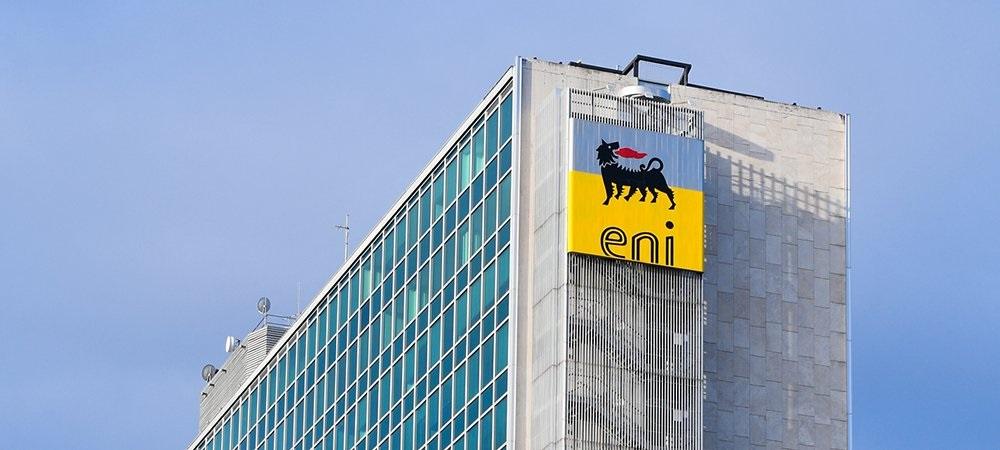
The energy investment landscape is undergoing a profound structural shift, and recent movements by major players like Eni underscore this transition. The Italian energy giant, through its venture capital arm Eni Next, has forged a strategic alliance with asset manager Azimut, pledging a substantial €100 million towards a new venture investment fund. This initiative, targeting high-potential startups and clean tech scale-ups, signals a clear intent to accelerate decarbonization, energy efficiency, sustainable mobility, and the circular economy. For investors navigating the complexities of the modern energy market, this commitment represents a significant directional signal, highlighting where smart capital is increasingly flowing amidst the broader energy transformation.
Strategic Pivot: Fueling the Energy Transition
The joint venture between Eni Next and Azimut is more than just another fund; it’s a strategic declaration by a traditional oil and gas major. With a fundraising target of €100 million, the European Long Term Investment Fund (ELTIF) is slated for launch in September 2025, operating under the revised ELTIF 2.0 framework and domiciled in Luxembourg. This fund will funnel capital into cutting-edge energy technologies, primarily focusing on startups and scale-ups in the clean tech sector in the U.S., with flexibility to invest across Europe and other international markets. Azimut brings its robust structuring and distribution capabilities to the table, while Eni Next leverages its deep industry knowledge, extensive international network, and direct involvement in energy innovation ecosystems to serve as an advisor, providing crucial early access to emerging technologies. This collaboration effectively marries financial expertise with industrial foresight, creating a powerful vehicle for investors seeking exposure to the next generation of energy solutions. The commitment reflects a growing recognition that economic sustainability in the energy sector increasingly hinges on the rapid emergence and scaling of new technological solutions, a process where private capital plays a crucial role.
Navigating Volatility: Clean Tech as a Strategic Hedge
The strategic timing of such a significant clean energy commitment gains additional context when viewed against the backdrop of current market dynamics. As of today, Brent crude trades at $95.57, marking a modest daily gain of 0.82%, yet still within a range of $91 to $96.89. WTI crude similarly saw an uptick to $92.08, up 0.88%, moving between $86.96 and $93.3. Gasoline prices also reflect this slight upward momentum, standing at $3.01, a 1.35% increase from the day’s low of $2.93. However, this immediate buoyancy follows a notable downturn; Brent crude, for instance, has shed approximately $9, or 8.8%, over the past 14 days, falling from $102.22 on March 25th to $93.22 on April 14th. This recent volatility in traditional hydrocarbon markets underscores the inherent risks and cyclical nature of commodity investments. For a major like Eni, investing €100 million into clean energy tech is not merely an ESG play; it’s a strategic diversification that offers a potential hedge against the fluctuating fortunes of conventional energy, while positioning the company at the forefront of the long-term energy transition. High crude prices historically make alternative energy solutions more economically competitive, yet even with recent dips, the long-term imperative for decarbonization remains undimmed, making these investments resilient to short-term market noise.
Investor Focus: Beyond the Barrels and Towards Innovation
Our proprietary data indicates a strong investor appetite for forward-looking analysis, with many asking for base-case Brent price forecasts for the next quarter and consensus forecasts for 2026. While these questions highlight the enduring importance of traditional oil market dynamics, the Eni-Azimut fund offers a compelling answer for investors seeking growth avenues beyond direct crude price exposure. This strategic partnership taps into the “most promising and high-potential opportunities” within the energy transition, offering a diversified approach for those concerned about the long-term trajectory of traditional hydrocarbons and seeking exposure to sectors poised for generational shifts. Looking ahead, the energy calendar is packed with events that will undoubtedly shape short-term oil market sentiment. The upcoming OPEC+ JMMC meeting on April 18th, followed by the Full Ministerial meeting on April 20th, will be crucial for understanding immediate supply policy. Industry watchers will also be keenly observing the Baker Hughes Rig Count on April 17th and 24th, along with the API and EIA weekly inventory reports throughout the next two weeks. While these events dictate the immediate pulse of the oil market, the Eni-Azimut fund represents a strategic investment that transcends these short-term fluctuations. Its September 2025 launch and focus on scaling new technologies suggest a long-term vision, positioning investors to benefit from the secular shift towards cleaner energy regardless of weekly inventory figures or OPEC+ production quotas. This commitment provides a valuable avenue for investors to participate in the energy sector’s future, mitigating the risks associated with an exclusive focus on commodity price volatility and political decisions.
The Crucial Role of Private Capital in Scaling Green Innovation
The energy sector is in the midst of a profound transformation, driven by relentless technological innovation. This shift necessitates significant capital infusion, and as the Eni-Azimut partnership demonstrates, private capital plays an absolutely crucial role in enabling new technological solutions to not only emerge but also scale rapidly enough to make a meaningful impact. By pooling resources and expertise, this €100 million fund will directly contribute to the development of technologies vital for decarbonization, energy efficiency, sustainable mobility, and the circular economy. For investors, this fund represents a direct pathway into the companies that are actively shaping the future of energy, offering a unique blend of financial return potential and impact investment. It also signals a broader trend among major energy companies, where diversifying into green tech is becoming an integral part of their long-term growth strategies. The success of initiatives like this ELTIF will not only enhance Eni Next’s portfolio but also serve as a blueprint for how traditional energy players can effectively channel resources towards a sustainable and economically viable energy future, creating new value propositions for investors beyond the conventional oil and gas investment thesis.