The Canadian government has granted its approval for Enbridge’s significant C$4 billion Sunrise Expansion project, a pivotal development set to dramatically enhance British Columbia’s natural gas infrastructure. This strategic undertaking will inject an additional 300 million cubic feet per day (MMcf/d) into the vital Westcoast pipeline system, signaling a robust commitment to energy security and export capabilities.
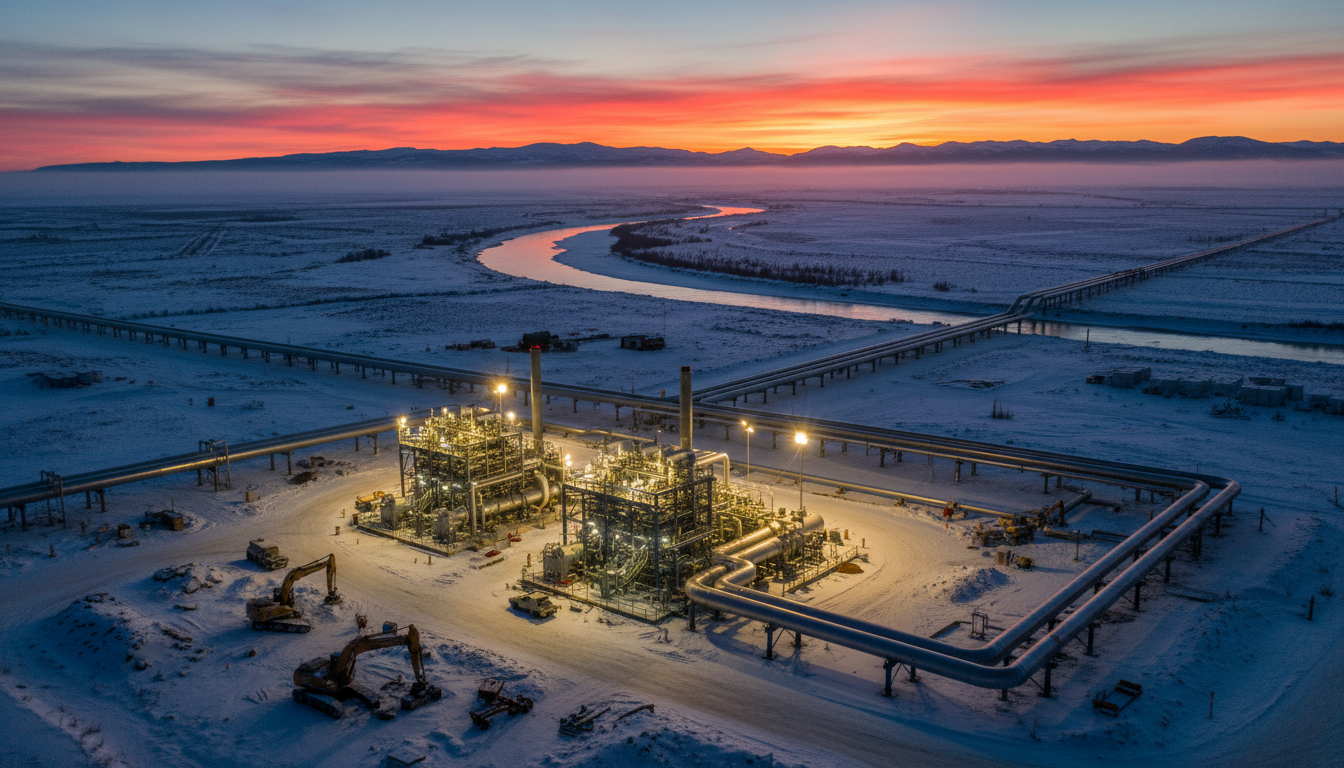
Enbridge has confirmed that construction is slated to commence in July, with the ambitious goal of bringing the expanded system online by late 2028. This multi-year endeavor will involve constructing approximately 139 kilometers of new pipeline, integrated through 11 distinct looping segments, alongside critical compression upgrades and enhancements to existing facilities across the extensive Westcoast network. Currently, the Westcoast system boasts an impressive capacity of up to 3.6 billion cubic feet per day (Bcf/d), making this expansion a substantial augmentation to one of Canada’s most crucial energy arteries.
A Critical Midstream Investment Unlocked
For investors focused on the North American energy landscape, the Sunrise Expansion represents a compelling growth opportunity within the midstream sector. The C$4 billion capital deployment underscores Enbridge’s strategic vision, reinforcing its position as a dominant player in natural gas transportation. This project is not merely an incremental addition; it is a meticulously planned expansion designed to meet the escalating energy demands emanating from British Columbia’s burgeoning economy. This includes the growing need for power generation, robust industrial sector expansion, and, critically, the burgeoning liquefied natural gas (LNG) export market, exemplified by projects like Woodfibre LNG.
Federal policymakers in Ottawa explicitly linked the approval of the Sunrise Expansion to the paramount goals of bolstering national energy security and ensuring reliable supply. This clear governmental endorsement accelerates the development of essential infrastructure, reflecting a broader Canadian commitment to leveraging its abundant natural resources to meet both domestic requirements and international market needs. For Enbridge shareholders, this translates into strengthened asset value and long-term, contract-backed revenue streams, characteristic of high-quality midstream investments.
Fueling British Columbia’s Energy Ambitions
The imperative for enhanced natural gas takeaway capacity in British Columbia is multifaceted. Domestically, the province is experiencing increased demand from a growing population and industrial sectors requiring a consistent and affordable energy source. However, the most significant long-term driver for this expansion is the province’s strategic push to establish itself as a major Pacific Coast LNG export hub. Projects like Woodfibre LNG, which are poised to supply global markets, depend entirely on reliable and sufficient feedgas infrastructure. The Sunrise Expansion directly addresses this need, ensuring that future LNG export facilities have the necessary pipeline capacity to deliver Canadian natural gas to global consumers.
This expansion effectively adds roughly 8% to the Westcoast system’s current capacity, a noteworthy increase in a market where new LNG demand, domestic heating requirements, and industrial loads intensely compete for available natural gas resources. Such an increase in capacity alleviates potential bottlenecks, allowing for greater market flexibility and ensuring Canada can capitalize on the growing international demand for cleaner-burning natural gas, particularly in Asian markets seeking to diversify their energy imports and reduce carbon footprints.
Strategic Imperative: Energy Security and Supply Reliability
The global energy landscape has profoundly shifted, placing renewed emphasis on energy security and the reliability of supply chains. North American natural gas, characterized by its abundance, low cost, and responsible production, has emerged as a critical component in this evolving geopolitical context. Governments worldwide are increasingly viewing pipeline expansions not just as commercial ventures but as integral elements of national security and economic stability. By enabling greater gas flows, the Sunrise Expansion enhances Canada’s ability to serve as a stable and predictable supplier, strengthening trade relationships and contributing to global energy market stability.
This project underscores a broader governmental recognition that robust energy infrastructure is fundamental to affordability for consumers, consistent industrial operations, and the facilitation of international trade agreements. For investors, this alignment with governmental strategic priorities de-risks the project, providing a strong backdrop for long-term capital deployment in the energy infrastructure sector.
Economic Contributions and Stakeholder Engagement
Beyond its operational and strategic significance, the Sunrise Expansion is poised to deliver substantial economic benefits to Canada. Enbridge estimates the project will contribute more than C$3 billion to the Canadian economy during its development and construction phases. This includes the creation of approximately 2,500 construction jobs, providing significant employment opportunities and stimulating local economies across British Columbia.
Furthermore, Enbridge has demonstrated a strong commitment to Indigenous engagement, a crucial factor for successful project execution in Canada. The company has already allocated over C$52 million in spending with Indigenous businesses. The Westcoast system itself incorporates Indigenous ownership through the Stonlasec8 Indigenous Alliance, highlighting a collaborative approach to resource development. These partnerships are not only vital for securing a social license but also represent a prudent investment strategy, reducing potential friction and fostering long-term, mutually beneficial relationships with local communities.
Navigating the Regulatory Landscape: An Expansion Advantage
Securing approvals for major greenfield pipeline projects in Canada has become increasingly challenging in recent years, often encountering significant regulatory hurdles and public opposition. The Sunrise Expansion, however, enjoys a strategic advantage: it is an expansion line running alongside an existing pipeline corridor. Expansion projects, by their nature, typically present fewer regulatory obstacles and are often easier to permit compared to entirely new routes that require establishing novel rights-of-way and conducting extensive environmental impact assessments from scratch. This characteristic of the Sunrise project made its approval more feasible and less prone to the protracted delays often associated with new infrastructure.
This distinction is critical for investors. It signifies a lower risk profile and a higher probability of successful execution within the projected timeline and budget. The ability to expand existing infrastructure efficiently maximizes the value of prior investments and leverages established operational footprints.
Investor Outlook: Strengthening Enbridge’s Core Assets
The approval of the Sunrise Expansion solidifies Enbridge’s robust portfolio of midstream assets and reinforces its long-term growth trajectory. By expanding a critical gas artery, the company is strategically positioning itself to capitalize on sustained natural gas demand, both domestically and internationally through LNG exports. The project’s contract-backed nature provides predictable cash flows, a hallmark of stable midstream investments, making it an attractive proposition for income-focused investors.
In conclusion, the Enbridge Sunrise Expansion is more than just a pipeline project; it is a foundational investment in Canada’s energy future. It addresses crucial needs for energy security, supports significant economic development, and strategically positions Canada as a key global natural gas supplier. For investors looking for stable growth in the energy sector, this project underscores the enduring value and strategic importance of well-executed infrastructure expansions.