Egypt’s LNG Demand Shift: A Bellwether for Global Energy Markets?
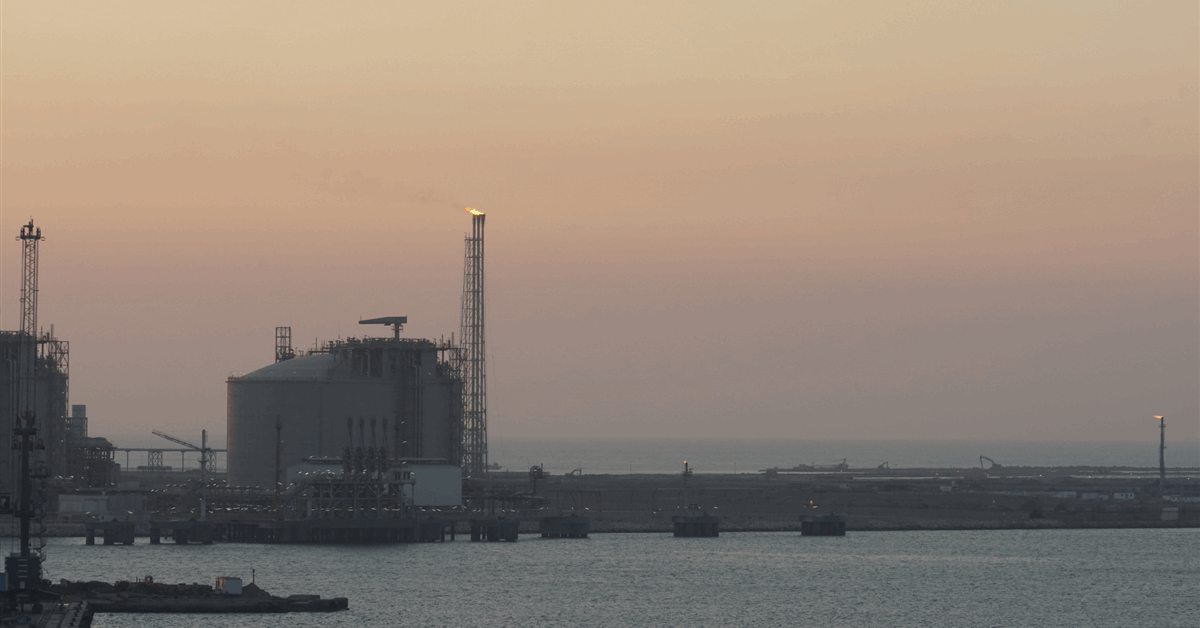
Egypt’s recent request to delay at least 20 liquefied natural gas (LNG) shipments, originally slated for delivery through December and now pushed to the first quarter of 2026, signals a notable recalibration in global energy demand dynamics. This move by state-owned Egyptian Natural Gas Holding Co. comes after Egypt dramatically increased its LNG imports, becoming a net importer in 2024 and more than doubling its purchases earlier this year. The unexpected softening of domestic demand for the fuel not only frees up significant supply in a tight global market but also raises pertinent questions for investors about broader energy consumption trends and price stability.
The Egyptian Pivot and Wider LNG Market Implications
Egypt’s journey from a nascent LNG exporter to a significant importer has been rapid, marked by a strategic push to secure energy supplies. However, the current deferral of these substantial cargoes—estimated at 20 shipments—suggests an overestimation of internal demand or a shift in economic activity within the nation. For the global LNG market, this development is a significant supply-side event. With these volumes now available, pressure on spot prices could ease, particularly benefiting European buyers who have aggressively sought LNG to offset reduced Russian pipeline gas flows. While Europe’s demand remains robust, any additional supply flexibility helps cap upward price movements, influencing the profitability of LNG producers and traders alike. Investors in companies with significant exposure to the European LNG market or those involved in LNG shipping should monitor this developing situation closely, as it could impact short-to-medium term pricing.
Market Contradictions: LNG Softness Amidst Crude Volatility
The softening demand in Egypt’s LNG sector occurs against a backdrop of pronounced volatility in the broader crude oil market. As of today, April 19, 2026, our proprietary data shows Brent Crude trading at $90.38 per barrel, marking a significant 9.07% decline within the day’s range of $86.08-$98.97. Similarly, WTI Crude has fallen to $82.59, down 9.41% within its daily range of $78.97-$90.34. This sharp downturn is not an isolated event; our 14-day Brent trend analysis reveals a substantial drop from $112.78 on March 30, 2026, to the current $90.38, representing a nearly 20% contraction. Gasoline prices have also followed suit, with current figures at $2.93, down 5.18% for the day. While LNG and crude oil markets operate with distinct supply-demand fundamentals, a marked softening in energy demand in a country like Egypt, coupled with a dramatic slump in global crude benchmarks, could hint at broader macroeconomic headwinds. Investors must consider if this is an isolated incident or an early indicator of a more widespread slowdown in global energy consumption, impacting overall sector profitability.
Investor Outlook: Navigating Supply Signals and Future Price Trajectories
OilMarketCap.com readers are keenly focused on future price stability, with a recurring question this week being: “What do you predict the price of oil per barrel will be by end of 2026?” The Egyptian LNG deferral, while specific to gas, adds another layer of complexity to this outlook. Softening demand, even regionally, contributes to a bearish narrative on overall energy consumption. This development comes as investors are also asking about “OPEC+ current production quotas,” indicating a strong focus on supply-side management. The juxtaposition of a significant crude price correction and unexpected gas demand weakness suggests that the market is grappling with an evolving supply-demand equilibrium. For investors, this environment underscores the importance of a diversified portfolio and a cautious approach to single-commodity bets. Companies with robust balance sheets and flexible operational models are better positioned to navigate these shifts. The deferral to Q1 2026 also signals that Egypt anticipates continued demand-side challenges well into next year, a factor that could influence long-term investment strategies across the energy value chain.
The Road Ahead: Key Events Shaping Q2 and Beyond
The immediate future holds critical events that will undoubtedly shape market sentiment and potentially offer further clarity on these divergent energy signals. Our proprietary calendar highlights several key upcoming dates. On Sunday, April 19th, the OPEC+ Joint Ministerial Monitoring Committee (JMMC) convenes, followed by the full OPEC+ Ministerial Meeting on Monday, April 20th. These meetings are paramount, as the cartel’s decisions on production quotas will directly impact global crude supply amidst the current price slide. Will OPEC+ respond to the recent market weakness with deeper cuts, or will they maintain current levels, potentially exacerbating oversupply concerns? Furthermore, the weekly API and EIA crude inventory reports on April 21st and 22nd, respectively, will provide fresh data on U.S. stock levels, a crucial indicator of demand health in the world’s largest economy. Investors should pay close attention to the rhetoric and outcomes from the OPEC+ gatherings, as well as inventory builds, to gauge whether the current energy market volatility represents a temporary correction or the beginning of a more sustained downturn. The long-term implications of Egypt’s demand reassessment, coupled with these imminent supply-side decisions, will define the investment landscape for the remainder of 2026 and beyond.