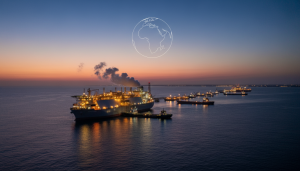
Egypt Secures Landmark Long-Term Gas Supply from Cyprus Aphrodite Field
In a decisive move to fortify its long-term energy security, Egypt has committed to purchasing the entire gas output from Cyprus’s significant Aphrodite offshore field once production commences, anticipated around 2031. This strategic agreement underscores Egypt’s escalating need for reliable gas supplies to fuel its burgeoning economy and satisfy growing domestic demand, effectively addressing its recent pivot to becoming a net gas importer.
The preliminary accord, penned by Egyptian Natural Gas Holding Co. (EGAS), involves the consortium operating the Aphrodite project and Cyprus’s national oil and gas enterprise. Newmed Energy LP, a key stakeholder in the Aphrodite license, confirmed the deal, highlighting a broader framework established between the Aphrodite partners and Egypt. This framework also encompasses the crucial development of a dedicated gas transmission system positioned off the coast of the North African nation, a critical piece of infrastructure for regional energy integration.
Egypt’s Shifting Energy Landscape: From Exporter to Strategic Importer
Egypt, historically a significant natural gas producer and even a net exporter, has witnessed a fundamental shift in its energy balance. A confluence of robust economic growth, rapid industrial expansion, and a burgeoning population has propelled domestic gas consumption to unprecedented levels. Simultaneously, output from mature local fields has experienced a natural decline, straining the nation’s energy matrix. This dynamic has compelled Egypt to increasingly turn to international markets, becoming a net importer of liquefied natural gas (LNG) and relying on pipeline flows, particularly from neighboring Israel.
The country’s increasing dependence on external sources was starkly highlighted by recent disruptions. Supplies from Israeli fields, a crucial component of Egypt’s energy mix, experienced a month-long halt earlier this year due to temporary shutdowns stemming from regional geopolitical tensions. Such interruptions invariably force Egypt to compete on the volatile global spot LNG market, often at premium prices, underscoring the imperative for diversified, long-term supply commitments like the Aphrodite deal. This new agreement offers a strategic hedge against such volatility and pipeline vulnerabilities.
The Aphrodite Project: A Cornerstone of Eastern Mediterranean Gas
The Aphrodite gas field, located in Cyprus’s exclusive economic zone, represents a pivotal asset in the Eastern Mediterranean’s emerging energy landscape. Its development, though scheduled for a 2031 start, promises substantial and consistent gas volumes. The consortium behind Aphrodite is a powerful alliance of global energy giants: Chevron Corp. and Shell Plc each hold a 35% stake, while Newmed Energy LP commands the remaining 30%. This formidable partnership brings together deep pockets, extensive technical expertise, and a proven track record in complex offshore developments, inspiring confidence in the project’s eventual success and timely delivery.
For these operating partners, the Egyptian purchase agreement de-risks a significant portion of the Aphrodite project. Securing a committed buyer for 100% of the field’s output well in advance of production provides revenue certainty, facilitates financing, and streamlines the project development timeline. It underscores the commercial viability of Eastern Mediterranean gas resources and solidifies the region’s role as a growing supplier to demand centers. Investors closely watch such long-term contracts as they provide stable, predictable cash flows for major energy companies.
Building the Lifeline: Aphrodite Midstream Co. and Regional Integration
Beyond the gas sales agreement, the framework includes the establishment of Aphrodite Midstream Co., a newly formed entity headquartered in Egypt. This joint venture will be instrumental in designing, financing, and implementing the critical gas transmission system required to transport Aphrodite gas from the offshore field directly to Egypt’s energy infrastructure. This subsea pipeline network represents a substantial capital investment and a complex engineering undertaking, but it is indispensable for monetizing the Cypriot reserves.
The creation of this dedicated midstream company signifies a robust commitment from all parties to ensure the seamless flow of gas. For investors, the involvement of major players like Chevron and Shell in the midstream development signals confidence in the project’s long-term operational integrity and economic rationale. This infrastructure development is not just about a single field; it strengthens the broader energy connectivity of the Eastern Mediterranean, potentially paving the way for future regional gas discoveries to find their way to market via established routes.
Investor Outlook and Market Implications
This comprehensive agreement between Egypt and the Aphrodite partners carries significant implications for regional energy markets and investors alike. For Egypt, it heralds a new era of enhanced energy security, diversifying its import portfolio and reducing its susceptibility to short-term market fluctuations and geopolitical disruptions. A stable, long-term gas supply is paramount for sustained economic growth, industrial stability, and meeting the foundational needs of its expanding populace.
From an investor perspective, this deal provides clear visibility for the Aphrodite project’s future cash flows, benefiting shareholders of Chevron, Shell, and Newmed Energy. It solidifies the strategic value of their Eastern Mediterranean exploration and production portfolios. Furthermore, it reinforces the long-term investment case for gas infrastructure development in the region. As nations like Egypt continue to urbanize and industrialize, the demand for natural gas as a cleaner transitional fuel is set to remain robust, making such long-term supply agreements highly attractive for energy companies seeking stable growth opportunities. The Eastern Mediterranean continues to emerge as a critical gas basin, and this deal positions key players for sustained relevance in global energy markets.