Egypt’s energy landscape is undergoing a dramatic transformation, pivoting from its historical role as a natural gas exporter to an increasingly reliant importer. This significant shift, driven by surging domestic power demand and a decline in indigenous production, is now solidifying with strategic long-term infrastructure commitments that bear profound implications for global liquefied natural gas (LNG) markets and international energy investors.
The state-owned Egyptian Natural Gas Holding Company (EGAS) has recently inked a pivotal 10-year agreement with Hoegh Evi, a move set to deploy a new floating LNG import unit near Alexandria on the Mediterranean coast. This deal underscores Egypt’s urgent need to bolster its energy security as it navigates a challenging period marked by escalating demand for both gas and electricity, juxtaposed against a backdrop of diminishing domestic output.
Egypt Secures Long-Term LNG Import Capacity
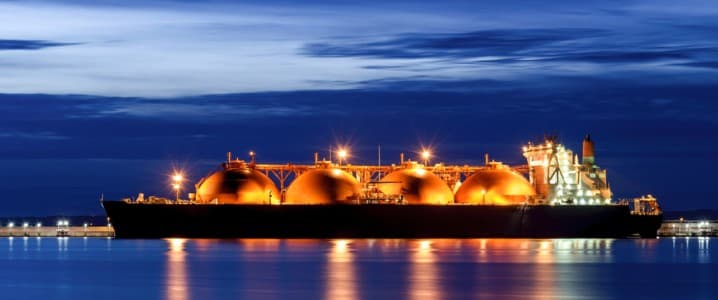
Under the terms of the agreement, Hoegh Evi will dispatch the LNG carrier, the Hoegh Gandria, to the Sumed region near Alexandria by late 2026. The transformation of the Hoegh Gandria into a state-of-the-art Floating Storage and Regasification Unit (FSRU) is slated to commence immediately, highlighting the urgency of Egypt’s import requirements. This long-term lease for the Hoegh Gandria is not merely an addition but a critical replacement for Egypt’s existing, solitary operational LNG import terminal, the Hoegh Galleon, which was deployed following an agreement between Höegh LNG, Australian Industrial Energy Pty Ltd (AIE), and EGAS in May 2024 to support the nation’s energy needs.
This strategic infrastructure investment solidifies Egypt’s trajectory as a net LNG importer, a status it formally adopted by the close of 2024. Last year witnessed Egypt importing the highest volume of LNG cargoes in recent history, a direct response to alleviate the severe strain on its national grid and industrial sectors. The preceding summer had already seen the implementation of rolling blackouts, a stark indicator of the widening gap between energy supply and demand.
The Domestic Production Conundrum and Soaring Demand
Egypt’s journey from a net exporter to an importer of LNG is a complex narrative rooted in several factors. Rapid population growth and an expanding industrial base have fueled an insatiable appetite for energy. Simultaneously, output from mature domestic gas fields has struggled to keep pace. While major discoveries like Zohr have provided significant boosts in the past, the overall trajectory of production has necessitated a strategic reassessment of the country’s energy independence.
The reliance on natural gas for power generation is particularly acute in Egypt, making the availability of gas a direct determinant of electricity supply. The intense summer months, characterized by scorching temperatures, invariably drive peak demand for air conditioning, placing immense pressure on the national power grid. The recurring specter of blackouts has made energy security a top national priority, compelling EGAS to pursue aggressive import strategies.
Global LNG Market Implications for Investors
Egypt’s entry as a significant, long-term LNG importer carries considerable weight for the global gas market. As a nation of over 100 million people with an expanding economy, its demand profile will add further tightness to an already competitive market. This increased demand from a major North African economy could contribute to upward pressure on international LNG prices, impacting other major buyers in Europe and Asia.
For investors, this trend highlights the continued robustness of the FSRU sector and the LNG shipping industry. Companies like Hoegh Evi, with specialized fleets capable of rapid deployment and long-term contracts, are positioned to benefit from nations seeking flexible and efficient import solutions. The long-term nature of the EGAS-Hoegh Evi agreement provides revenue visibility and stability, a key attractive feature for infrastructure and maritime logistics investors.
A Dual Strategy: Importing While Exploring
While securing crucial import capacity, Egypt is simultaneously embarking on an aggressive campaign to revitalize its domestic oil and gas production. The Ministry of Petroleum and Mineral Resources recently launched a new licensing round, inviting international energy companies to bid on 13 promising offshore and onshore blocks. This dual strategy aims to address short-term energy deficits through imports while fostering long-term energy independence through increased indigenous output.
The current bid round presents a diverse portfolio of opportunities for exploration and development. It includes six new exploration areas alongside seven undeveloped discoveries, signaling a comprehensive effort to unlock Egypt’s hydrocarbon potential. Geographically, the undeveloped discoveries are strategically located in the prolific Mediterranean Sea, a region that has yielded significant gas finds in recent years. The exploration areas span three offshore blocks within the historically rich Gulf of Suez and three onshore blocks situated in Egypt’s vast Western Desert, known for its established oil and gas infrastructure.
This proactive licensing round is a clear signal to the international oil and gas community that Egypt remains committed to attracting foreign direct investment in its upstream sector. For energy majors and independent producers, these blocks represent opportunities to tap into new reserves or bring existing discoveries into production, potentially mitigating the country’s reliance on imported LNG in the future. Success in this bid round could lead to significant capital expenditure and operational activity, providing a boost to the local economy and offering long-term growth prospects for participating companies.
The Road Ahead for Egypt’s Energy Future
Egypt’s energy policy is at a critical juncture. The decision to commit to a 10-year FSRU lease reflects a sober assessment of its immediate energy challenges. Simultaneously, the aggressive push for new exploration and development through the licensing round demonstrates a steadfast commitment to leveraging its geological potential for long-term energy security. This comprehensive approach, balancing urgent import needs with strategic domestic production enhancement, will define Egypt’s role in the regional and global energy markets for the coming decade. Investors keenly watching the interplay of global LNG supply-demand dynamics and regional exploration successes will find Egypt a compelling case study of a nation actively reshaping its energy destiny.