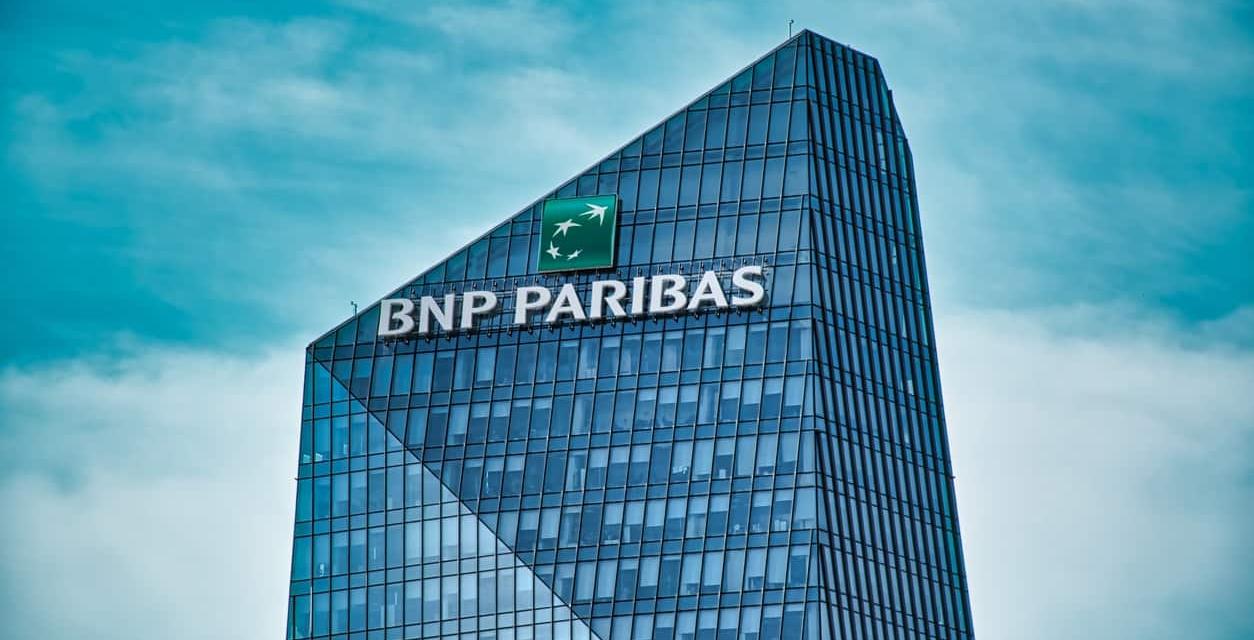
The European energy landscape is undergoing a profound transformation, and a recent €200 million portfolio guarantee from the European Investment Fund (EIF) and BNP Paribas Leasing Solutions stands as a potent symbol of this shift. Under the InvestEU program, this initiative is poised to unlock significant sustainable asset leasing for small and medium-sized enterprises (SMEs) and small mid-caps across France, Germany, Italy, and Spain. For oil and gas investors, this isn’t just a headline about green finance; it’s a critical signal about the accelerating reallocation of capital, the evolving risk-reward profiles in the broader energy sector, and the strategic imperatives for portfolio positioning.
The Accelerating Green Capital Influx in Europe
This landmark €200 million guarantee represents the EIF’s largest multi-country energy transition commitment to date, specifically targeting leasing solutions in key areas: sustainable mobility, energy efficiency, renewable energy, and green technologies. By de-risking investments for financial intermediaries, it’s designed to mobilize over €200 million in new financing, channeling private sector capital directly into projects that underpin Europe’s low-carbon transition. For seasoned energy investors, this move by major financial institutions like EIF and BNP Paribas Leasing Solutions, backed by the strategic mandate of InvestEU, underscores a fundamental shift. It highlights a growing preference for scalable, private-sector-led sustainability investments, creating a robust framework for green asset growth. This robust pipeline of climate-aligned leasing portfolios in core European markets offers both compelling economic returns and demonstrable environmental impact, signaling where a substantial portion of future investment capital is being directed.
Navigating the Present: Crude Markets Amidst Strategic Shifts
While Europe solidifies its green finance architecture, the traditional oil and gas markets continue to present a dynamic, albeit often volatile, investment landscape. As of today, April 15, 2026, Brent crude trades at $96.04 per barrel, reflecting an intraday gain of 1.32% and moving within a daily range of $91 to $96.26. Similarly, WTI crude is priced at $92.4, up 1.23% for the day. Gasoline prices, a key indicator of consumer demand, stand at $2.98, showing a modest increase of 0.34%. This immediate market activity, however, follows a notable period of fluctuation; over the past two weeks, Brent crude saw a significant downtrend, shedding nearly 9% from $102.22 on March 25 to $93.22 on April 14. This recent decline underscores the inherent price sensitivity of global oil markets to geopolitical events, inventory data, and broader economic sentiment.
This concurrent reality — a vibrant yet volatile crude market alongside a rapidly expanding green finance ecosystem — demands a nuanced perspective from investors. The €200 million guarantee, while not directly influencing today’s oil prices, represents a structural shift in capital allocation that, over the long term, will inevitably impact the demand trajectory for fossil fuels. Investors must weigh the immediate profit potential and market dynamics of traditional oil and gas assets against the increasing momentum and de-risked nature of sustainable investments facilitated by initiatives like the EU Green Fund.
Investor Outlook: Aligning Portfolios with Evolving Energy Dynamics
Our proprietary reader intent data reveals that investors are keenly focused on understanding future price movements, frequently asking questions such as “What is the consensus 2026 Brent forecast?” and seeking a “base-case Brent price forecast for next quarter.” While the EU’s €200 million green fund doesn’t provide a direct answer to these short-term oil price queries, it offers crucial context for the longer-term demand outlook. Widespread adoption of energy efficiency and sustainable mobility, directly supported by this fund, creates a structural headwind for future oil demand growth in Europe. This makes a compelling case for investors to consider how resilient their O&G portfolios are to a future of potentially moderated demand in key regions.
Looking ahead, several critical energy events will shape the immediate market landscape. Investors should closely monitor the upcoming OPEC+ Meetings, with the Joint Ministerial Monitoring Committee (JMMC) scheduled for April 18 and the Full Ministerial Meeting set for April 20. Any decisions on production quotas or output adjustments from these gatherings will be paramount in influencing short-to-medium-term Brent prices. Furthermore, the regular releases of the Baker Hughes Rig Count on April 17 and April 24, alongside the API and EIA Weekly Crude Inventory reports on April 21, 22, 28, and 29, will provide essential real-time insights into supply, demand, and drilling activity. These traditional market movers continue to dictate the immediate profitability of oil and gas assets. However, prudent investors are now also integrating the long-term implications of initiatives like the EU Green Fund into their models, understanding that while traditional energy remains vital, the capital markets are increasingly diversifying their focus and creating new avenues for growth in the sustainable economy.
Strategic Implications for Energy Investment Portfolios
The EIF and BNP Paribas Leasing Solutions agreement signals a clear direction for capital flows within the European Union, an economy that remains a significant consumer of global energy. For institutional investors and private equity leaders, this deal effectively strengthens the pipeline for climate-aligned leasing portfolios, offering a robust blend of financial returns and environmental impact. This isn’t just about ‘greenwashing’; it’s about creating tangible investment vehicles with genuine economic drivers, supported by significant public-private partnerships.
For traditional oil and gas companies, this increased availability of capital for green initiatives presents both a challenge and an opportunity. It intensifies the competition for investment capital, pushing O&G majors to accelerate their own decarbonization strategies, invest in renewable energy projects, or explore new sustainable business lines to remain attractive to a broader investor base. For investors themselves, this means a more complex, yet potentially more diversified, energy investment universe. Evaluating O&G companies now requires assessing not only their core production and reserves but also their strategic adaptation to the energy transition. Opportunities are emerging not just in the direct financing of green tech SMEs but also in the broader ecosystem supporting this shift, from infrastructure providers for sustainable mobility to innovative energy efficiency solution developers. The €200 million EU Green Fund is a testament to the fact that the financial tools for a more sustainable economy are rapidly being deployed, creating a new frontier for astute energy investment.


